How The People at the First Thanksgiving Would Have Benefited from Salerno Modalities
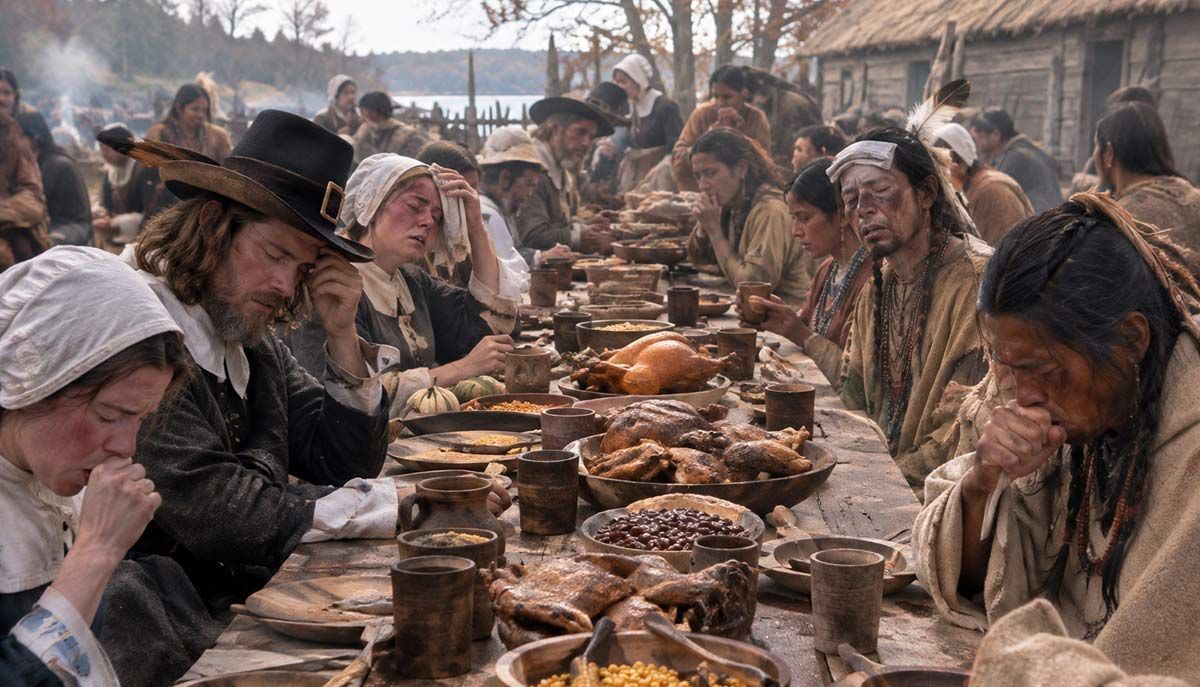
Every Thanksgiving, we think about the people who gathered more than 400 years ago and how dramatically different their lives were from ours. As a physician, I look at that history through another lens: what was happening inside their bodies?
The Pilgrims and Native Americans faced infectious disease, nutritional deficiencies, physical exhaustion, extreme environmental conditions, and health threats they had very little ability to diagnose or treat. Modern medicine cannot rewrite history, but what we now understand about prevention, immunity, nutrition, inflammation, recovery, and early detection gives us an extraordinary perspective on what those people endured.
This week, let's remind ourselves that one of our greatest advantages today is not simply better treatment after disease appears, but the ability to identify vulnerabilities and protect our health before a crisis develops.
-Dr. John Salerno
What If Salerno Wellness Had Been at the First Thanksgiving?
When we picture the harvest gathering commonly called the First Thanksgiving, we tend to imagine food, cooperation, and survival. What is easy to overlook is that the people gathered in Plymouth in 1621 were living through an extraordinary collision of different environments, populations, pathogens, diets, and immune histories.
The English colonists had survived an Atlantic voyage followed by a devastating first winter. They lived without antibiotics, modern sanitation, laboratory testing, nutritional supplementation, IV hydration, advanced imaging, or the ability to identify most infections. Illnesses we might diagnose and treat today could quickly become life-threatening.
For Native Americans, disease represented an even more profound threat. Indigenous communities had already experienced devastating epidemics associated with European contact before the Mayflower arrived. Their encounter with Europeans was therefore not simply a meeting between cultures. It was also a meeting between populations with different histories of exposure to infectious organisms.
Looking back through the lens of modern medicine raises an intriguing question: What could we have done differently if today's diagnostic tools, preventive medicine, and Salerno Wellness modalities had been available? The answer illustrates just how important prevention, metabolic health, immune resilience, nutrition, and early intervention remain today.
For The Pilgrims, Survival Took a Severe Toll on the Body
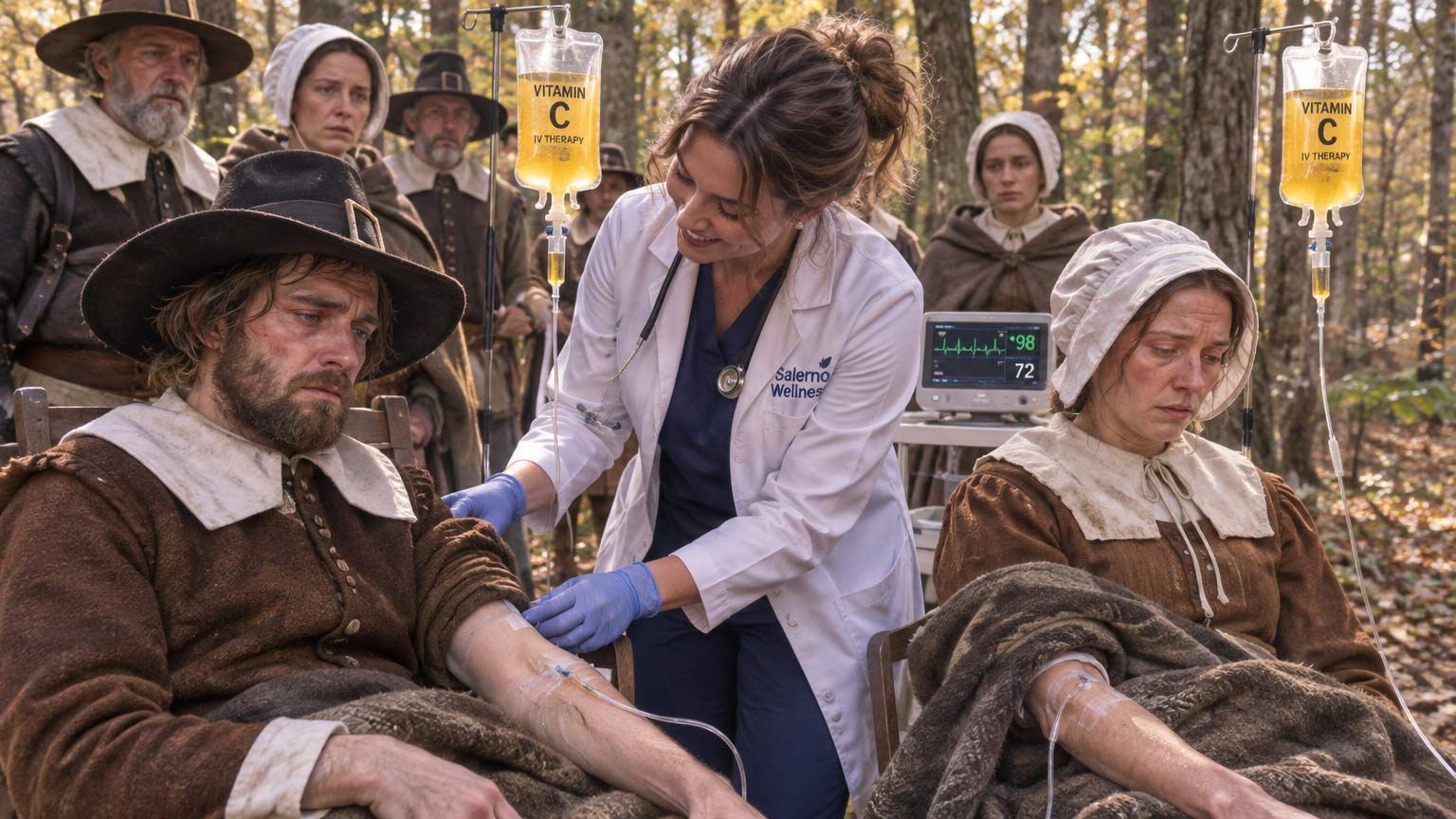
The Pilgrims arrived after weeks aboard the Mayflower and then faced the New England winter. Their greatest medical challenges were not necessarily exotic illnesses. Many were problems modern physicians still recognize, but we have far better ways to identify and address them today. Some of their most likely health challenges included:
- Malnutrition and nutritional deficiencies - Limited food variety, long periods at sea, inadequate fresh produce, and food insecurity could leave the body without sufficient vitamins, minerals, protein, and other nutrients necessary for normal immune function and tissue repair. Salerno Vitamins today could address deficiencies and create a targeted strategy using nutrient-dense supplementation, rather than waiting for obvious signs of deficiency to appear.
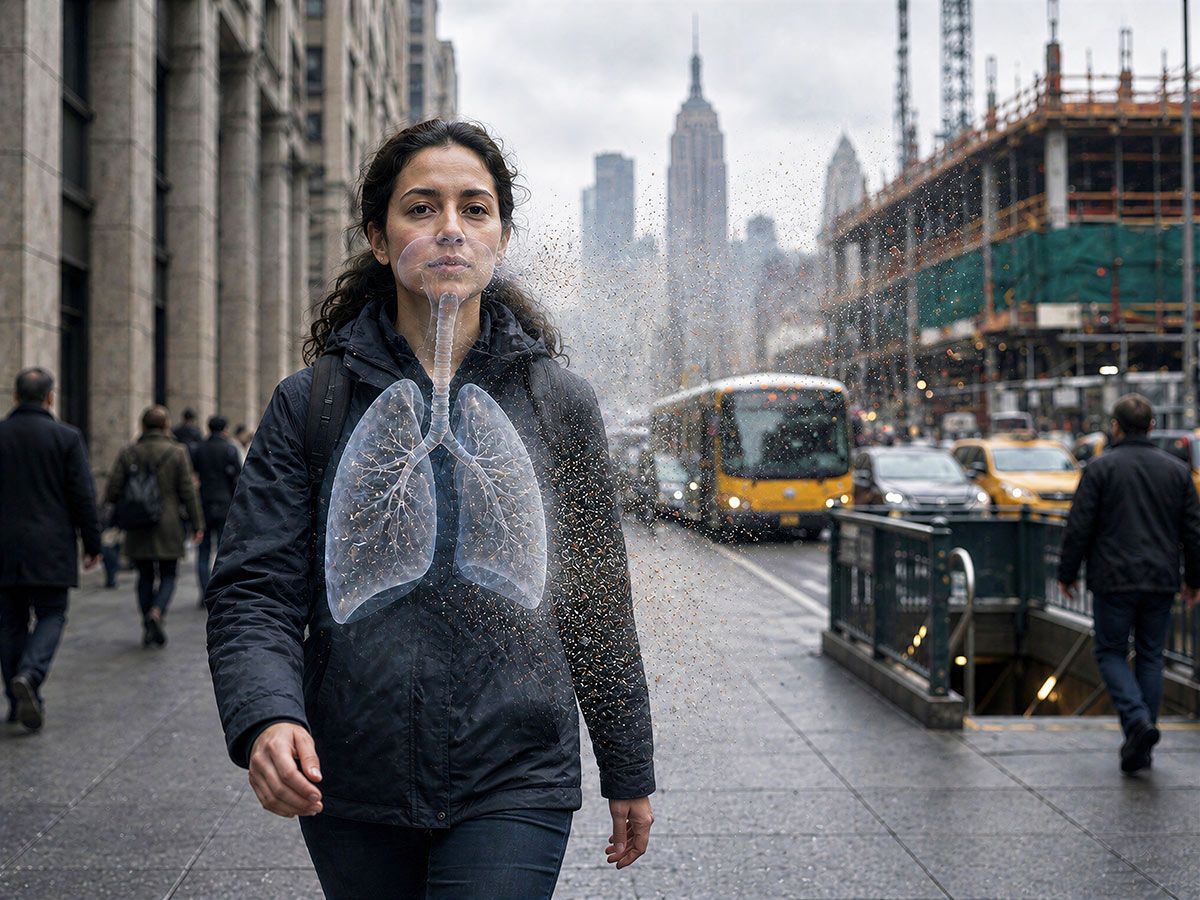
- Respiratory infections - Crowded living conditions, cold weather, physical exhaustion, poor nutrition, and close interpersonal contact created an environment in which respiratory infections could become especially dangerous. Their options consisted primarily of rest, warmth, basic supportive care, and whatever traditional remedies were available. Today we can identify many infections, monitor patients closely, support hydration and nutrition, and intervene much earlier. Ultraviolet Blood Irradiation Therapy (UVBI) could have provided an additional approach to supporting immune function and helping the body respond to serious respiratory infections.
- Dehydration and severe physical exhaustion - Ocean travel, illness, labor, inadequate nutrition, and the enormous physical demands of constructing a settlement placed sustained stress on the body. They had no IV hydration or sophisticated way to assess electrolyte and nutritional status. IV therapy, when medically appropriate, would have offered a modern way to deliver fluids and selected nutrients directly into the bloodstream for people whose nutritional or hydration needs required clinical support.
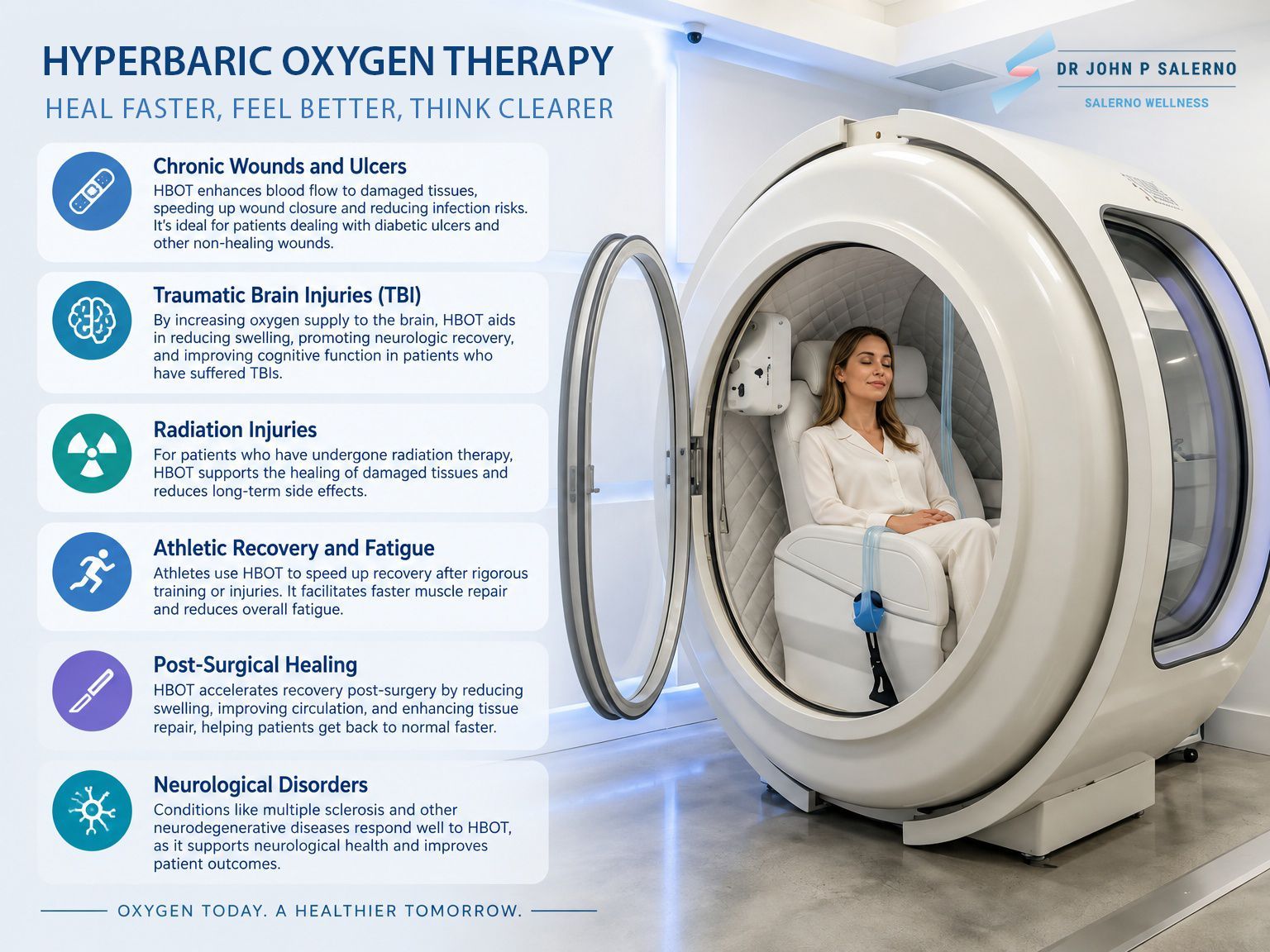
- Persistent inflammation and poor recovery - Repeated infections, inadequate sleep, cold exposure, injuries, psychological stress, and nutritional deficiencies can burden the body's recovery systems. Hyperbaric oxygen therapy could have been valuable in appropriate medical situations by increasing oxygen availability to tissues and supporting certain healing processes. It would not have eliminated infectious disease, but modern oxygen-based medicine would have provided therapeutic capabilities completely unavailable in the 17th century.
- Musculoskeletal injuries and physical pain - Building shelters, carrying supplies, farming, hunting, and performing nearly every task manually meant injuries and physical strain were inevitable. Red light Therapy, used today to support certain recovery and wellness goals, could have offered a noninvasive modality for appropriate patients experiencing tissue and musculoskeletal stress.
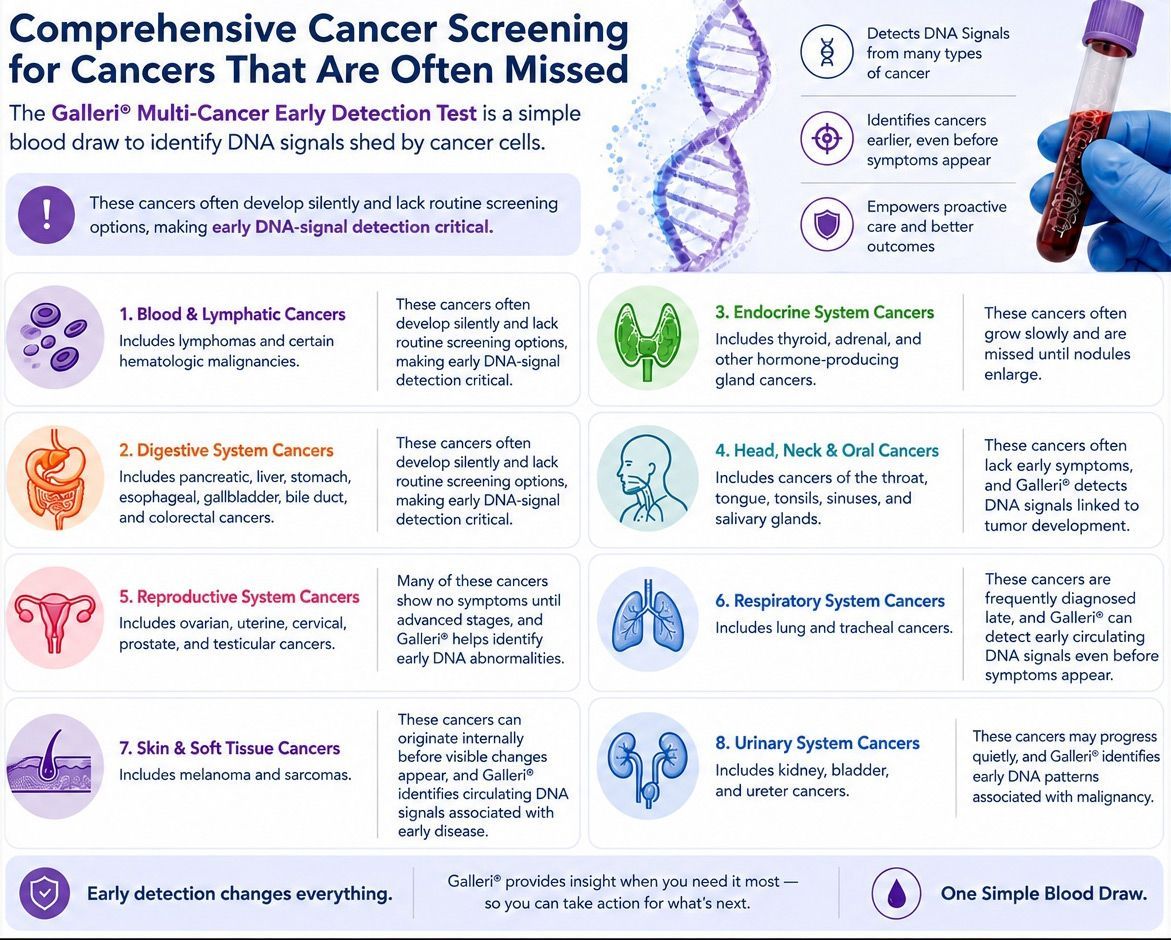
- Nutritional and metabolic vulnerability - Perhaps one of their greatest disadvantages was what they could not see. A person could be nutritionally depleted, chronically inflamed, or metabolically compromised long before the outward symptoms became unmistakable. Comprehensive laboratory testing and functional medicine evaluation could have revealed problems earlier and allowed treatment to begin before a weakened individual encountered the next illness or environmental challenge.
What makes these conditions so striking is that the Pilgrims had few opportunities to intervene early. In many cases, treatment began only after a person was visibly sick. That is almost the opposite of the preventive approach available to us today.
Native Americans: When the Immune System Encounters Something New
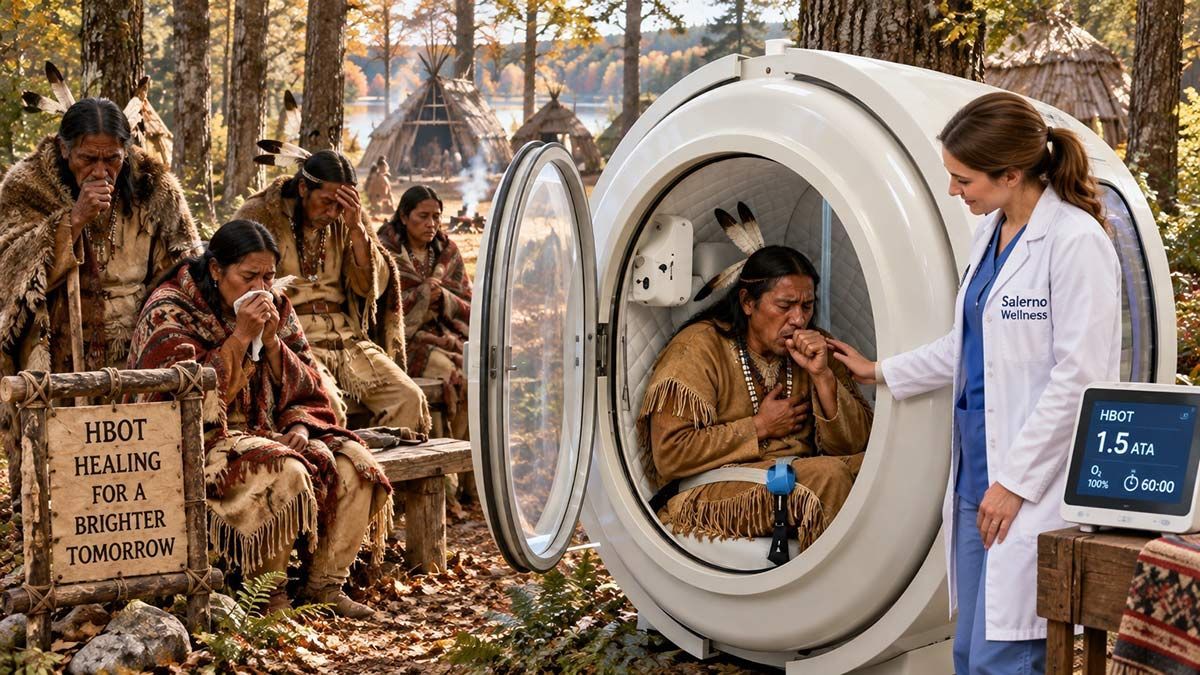
The health story of Native Americans during this period is even more sobering.
European contact brought infectious threats into Indigenous populations, and severe epidemics had already swept through communities along the Northeast coast before the Plymouth settlement was established. Entire communities were disrupted. Families were lost. Survivors were left coping not only with disease but with the nutritional, emotional, and social consequences of enormous population loss.
Their vulnerability should not be interpreted as having "weak" immune systems. The more important issue was that populations can be extraordinarily vulnerable when they encounter infectious organisms outside their previous exposure history. The Wampanoag and other Native communities therefore faced health challenges including:
- Exposure to unfamiliar infectious diseases - Contact between populations created opportunities for pathogens to spread into communities with very different exposure histories. Without modern epidemiology, vaccination, diagnostic testing, isolation protocols, or effective antimicrobial treatment, stopping an outbreak could be extraordinarily difficult.
- Severe immune stress - When infection spreads rapidly through a community, repeated exposure combined with nutritional stress and physical demands can challenge the body's ability to recover. Today, we can evaluate immune and inflammatory markers instead of simply waiting to see whether someone gets sick.
- Nutritional depletion during and after illness - Serious infections can increase metabolic demands while simultaneously reducing appetite and nutrient intake. Targeted nutrition and laboratory-guided supplementation could potentially have helped recovering individuals restore nutritional status more effectively.
- Post-illness weakness and impaired recovery - Surviving a serious infectious illness does not necessarily mean the body immediately returns to normal. Modern medicine recognizes the importance of rehabilitation, nutrition, sleep, metabolic health, and careful medical follow-up after severe illness.
Had modern Salerno Wellness modalities been available, several approaches not already discussed for the Pilgrims could have offered entirely new possibilities:
- Ozone-based therapies - Under appropriate contemporary medical supervision, ozone-based modalities may be incorporated into individualized wellness and integrative treatment programs. The important difference would have been the ability to approach a sick or recovering patient systematically rather than relying exclusively on the limited remedies available at the time.
- Peptide therapy - Modern peptide-based medicine provides physicians with another individualized tool for selected patients and health objectives. Clinical Peptide Therapy would have been unimaginable in 1621, when even the biological mechanisms behind infection and immunity were unknown.
- Hormonal and metabolic evaluation - Severe physiological stress influences multiple systems throughout the body. Modern testing lets physicians identify metabolic and hormonal abnormalities that may affect strength, energy, recovery, and overall resilience.
- Heavy-metal and environmental-toxin evaluation - Centuries ago, people had virtually no way to measure environmental exposure. Modern heavy metal testing can help us look for toxic exposures and other environmental burdens when clinically appropriate, adding another dimension to investigating unexplained or persistent health problems.
The greatest advantage, however, might not have been one particular treatment. It would have been knowledge. The ability to examine what was happening inside the body before someone became critically ill could have transformed health decisions for both populations.
What the First Thanksgiving Can Teach Us About Prevention
The people who gathered in 1621 existed in a world where exposure to a new infectious disease could have catastrophic consequences. They could not identify viruses and bacteria the way we can. They could not order comprehensive bloodwork. They could not evaluate inflammatory markers, nutritional deficiencies, metabolic dysfunction, environmental exposures, or many of the other factors we routinely examine today.
We can! And that changes what healthcare means. Prevention does not mean that we can guarantee that someone will never become ill. It means using available tools to better understand a person's health before a preventable problem becomes serious.
- We can identify nutritional deficiencies.
- We can investigate unusual fatigue.
- We can monitor metabolic changes.
- We can evaluate inflammation.
- We can assess environmental exposures.
- We can recognize risk factors.
And when something does go wrong, we can intervene earlier and far more precisely than people living four centuries ago ever could. That may be one of the most important lessons hidden inside the history of Thanksgiving. When populations encounter unfamiliar infectious threats, consequences can be drastic. People in the 17th century had little ability to prepare medically for what was coming. Today, we have an enormous advantage, but that advantage only matters if we use it.
Don't Wait for Illness to Tell You Something Is Wrong
At Salerno Wellness, our goal is not simply to treat a diagnosis after it appears. We want to understand why your body is struggling, what risks may be developing, and what can be done now to improve your health for the future.
A comprehensive holistic physical can examine nutrition, metabolic health, hormones, inflammation, environmental factors, lifestyle, symptoms, medical history, and other individual concerns to create a more complete picture of your health.
If you already have an illness or persistent symptoms, we can also evaluate your situation and determine which conventional, functional, nutritional, and integrative treatment options may be appropriate for you. Four hundred years ago, people often had no choice but to wait and hope their bodies could survive whatever came next.
Today, we can do much more than wait.
Schedule your comprehensive holistic physical with Dr. John Salerno and Salerno Wellness, or make an appointment to discuss an existing illness or health concern. Prevention begins by understanding what's happening in your body now, not after it becomes a crisis.
Please contact us online or call us at (212) 582-1700 in New York City or (475) 269-2138 in Connecticut to schedule an appointment.