The Fall Sniffle Season Nobody Talks About, and It Has Nothing to Do with Colds

Every fall, I meet patients who believe they're coming down with a cold when, in reality, their symptoms are driven by allergens, mold exposure, and inflammation that household remedies simply cannot resolve. These issues often linger because the underlying triggers are deeper than what humidifiers, air purifiers, or over‑the‑counter medications can reach.
My goal is to help you understand what's truly causing your congestion, sinus pressure, and fatigue so we can treat the root problem—not just the symptoms. This week, let's take the first step toward clearer breathing, stronger immunity, and a healthier fall season.
-Dr. John Salerno
Why Many Fall Sniffles Aren't Actually Colds
Many people start sneezing, sniffling, or waking up congested as soon as the weather cools, and the first assumption is always that a cold is developing. In reality, most fall sniffles have nothing to do with viruses and everything to do with environmental changes. Indoor allergens, leaf mold, and dust stirred up by heating systems create symptoms that mimic a cold but behave very differently. Understanding this distinction helps patients take the right steps instead of assuming they're fighting an infection.
The "Fake Cold" Symptoms Everyone Confuses
Many fall allergy symptoms look and feel exactly like a cold, which is why people misinterpret them. These symptoms often follow a predictable pattern that reveals their true cause, especially when they fluctuate throughout the day. Recognizing these patterns helps patients understand why their symptoms behave differently than a true viral illness.
- Stuffy Nose - This happens when allergens irritate the nasal lining and cause swelling. Because it feels identical to cold congestion, most people assume they're sick. The key difference is that allergy congestion often improves when you leave the house or change environments.
- Sneezing - Sneezing is a classic allergic response triggered by dust, mold, or pet dander. It tends to come in bursts rather than the occasional sneeze you might get with a cold. Patients often notice it more in the morning or when the heat turns on.
- Post‑Nasal Drip - Allergens can cause thin, watery mucus to drip down the throat. This creates throat clearing and irritation that feels like the start of an illness. Unlike a cold, it rarely progresses into deeper symptoms.
- Scratchy Throat - A scratchy throat from allergies is caused by irritation, not infection. It often fluctuates throughout the day and improves with hydration. Cold‑related sore throats tend to be more persistent and painful.
- Mild Cough - This cough comes from post‑nasal drip rather than lung involvement. It's usually light and intermittent. If it disappears when you're outdoors or away from home, it's almost always allergy‑related.
- Morning Congestion - Overnight exposure to indoor allergens makes mornings the worst time for symptoms. Once you're up and moving, congestion often improves. This predictable pattern strongly suggests allergies, not a viral infection.
These symptoms can be confusing, but their timing and behavior offer clear clues. When symptoms improve outside the home or fluctuate throughout the day, allergies are almost always the cause. This understanding helps patients avoid unnecessary cold treatments and focus on the real triggers.
The Real Culprits Behind Fall Sniffles
Fall brings a unique mix of environmental changes that trigger allergy symptoms. These factors combine to create what feels like a seasonal illness, even though it's not. By identifying the true sources of irritation, patients can take steps to reduce exposure and prevent recurring symptoms.
- Indoor Allergens - When windows close for the season, indoor allergens like dust mites and pet dander become trapped. These particles circulate more when the heat turns on. The constant exposure leads to congestion, sneezing, and throat irritation.
- Leaf Mold - Mold thrives in damp leaf piles, and raking or walking through them stirs spores into the air. These spores are powerful irritants that trigger sneezing and congestion. Most people never realize leaf mold is one of fall's biggest allergy triggers.
- Heating Systems - When heaters turn on for the first time, they blow out months of accumulated dust and debris. This sudden burst of irritants can cause immediate symptoms. Patients often report their "cold" starting the same week the heat kicks on.
- Closed Windows - With less fresh air circulating, indoor pollutants build up quickly. This makes the air inside more irritating than the air outside. The longer the home stays sealed, the worse symptoms tend to get.
- Humidity Changes - Fall air becomes drier, which irritates the sinuses and makes them more reactive. Dry nasal passages are more sensitive to allergens and dust. This combination creates congestion that feels like an infection but isn't.
Together, these factors create a perfect storm that mimics cold symptoms but is entirely allergy‑driven. When patients understand these triggers, they can make simple changes that dramatically reduce symptoms. This awareness also helps them recognize patterns that return every fall.
Why Fall Is Worse Than Spring for Sniffles
Spring allergies are driven mostly by pollen, which is easy to identify and avoid. Fall allergies are trickier because they come from multiple indoor and outdoor sources that are harder to control. Since people spend more time inside during fall, exposure levels rise dramatically. This makes fall sniffles more persistent and harder to recognize as allergies. Understanding this seasonal shift helps patients prepare before symptoms begin.
When Testing Makes Sense
Testing helps patients understand exactly what's triggering their symptoms instead of guessing. It also guides targeted treatment instead of relying on general remedies that may not address the real cause. With clear results, patients can make informed decisions and prevent symptoms from returning year after year.
- Allergy Testing - This identifies specific indoor allergens such as dust mites, pet dander, and mold. Knowing the exact triggers helps patients make meaningful changes at home. It also prevents unnecessary cold medications that won't help.
- Mold and Mycotoxin Testing - Mold exposure is common in fall due to leaf piles and indoor moisture changes. Testing reveals whether mold is contributing to symptoms. This is especially helpful for patients who experience recurring congestion every fall.
- Immune Panels - These panels show how the immune system is responding to allergens. They help differentiate between allergic reactions and viral activity. This clarity reassures patients and guides more effective treatment.
Testing gives patients answers and helps them understand why symptoms keep returning each fall. With this information, they can take targeted steps to reduce exposure and improve comfort. It also helps them avoid unnecessary treatments that don't address the underlying issue.
Home Remedies To Fix Fall Sniffles
Simple changes can dramatically reduce fall allergy symptoms. These steps help patients feel better quickly while they explore testing options. By making small adjustments at home, many people experience noticeable relief within days.
- Change HVAC Filters - Fresh filters reduce dust and allergens circulating through the home. This is especially important when the heat first turns on. Patients often notice immediate improvement after replacing filters.
- Clean Vents - Vents collect dust and debris during warmer months. Cleaning them before using heat prevents a sudden burst of irritants. This small step can prevent the "first‑week‑of‑heat" sniffle spike.
- Keep Leaf Piles Away From Entryways - Leaf mold spreads easily when piles sit near doors. Moving them farther away reduces exposure every time someone enters the home. This is one of the most overlooked fall allergy triggers.
- Use a HEPA Purifier - HEPA purifiers remove allergens from indoor air. They're especially helpful in bedrooms where overnight exposure is highest. Patients often wake up with less congestion after using one.
- Wash Bedding Weekly - Bedding collects dust mites and pet dander. Weekly washing keeps allergen levels low and reduces morning congestion. This is a simple but highly effective habit.
- Vacuum With a HEPA Filter - Regular vacuuming removes allergens from carpets and floors. HEPA filters prevent them from being blown back into the air. This keeps indoor air cleaner and reduces symptoms.
- Keep Humidity Around 40 to 50 Percent - Balanced Humidity prevents nasal dryness and reduces sinus irritation. It also helps limit dust mite activity, which thrives in very dry or very humid environments. Maintaining this range keeps the air more comfortable and less reactive.
These steps help reduce symptoms quickly and make fall far more comfortable for patients dealing with seasonal allergies. When combined with testing, they create a clear path toward long‑term relief. Patients appreciate having both immediate solutions and deeper answers.
If Household Remedies Don't Work, Come Into Salerno Wellness for Some Tests
Many patients try humidifiers, saline sprays, air purifiers, and over‑the‑counter allergy medications, but some symptoms do not improve without targeted clinical treatment. When congestion, sneezing, or sinus pressure keep returning, it often means the underlying issue is stronger than what home remedies can handle. Dr. Salerno offers treatments that directly address the root causes and help patients finally feel relief.
- Glutathione IV Therapy - Glutathione supports detoxification pathways that help clear mold toxins, environmental irritants, and inflammatory byproducts. Household remedies cannot remove these compounds once they're circulating in the body. IV therapy delivers glutathione directly into the bloodstream for faster, more effective relief.
- Seasonal Factor - Seasonal Factor is a professional‑grade blend I formulated to reinforce immune resilience and healthy antioxidant activity during seasonal challenges. It features vitamin C, quercetin, stinging nettle, bromelain, and NAC to support clear breathing, daily comfort, and balanced inflammatory pathways.
- Anti‑Inflammatory IV Drips - Persistent sinus pressure and congestion often come from inflammation that home remedies cannot calm. These IV drips provide nutrients that help reduce inflammatory responses and support immune balance. Patients frequently notice clearer breathing and reduced sinus heaviness within hours.
- Targeted Nutrient Therapy - Deficiencies in nutrients like vitamin D, zinc, or magnesium can make the immune system more reactive and prolong allergy‑like symptoms. Household remedies cannot correct these deficiencies. Targeted nutrient therapy restores balance and helps the body respond more appropriately to allergens.
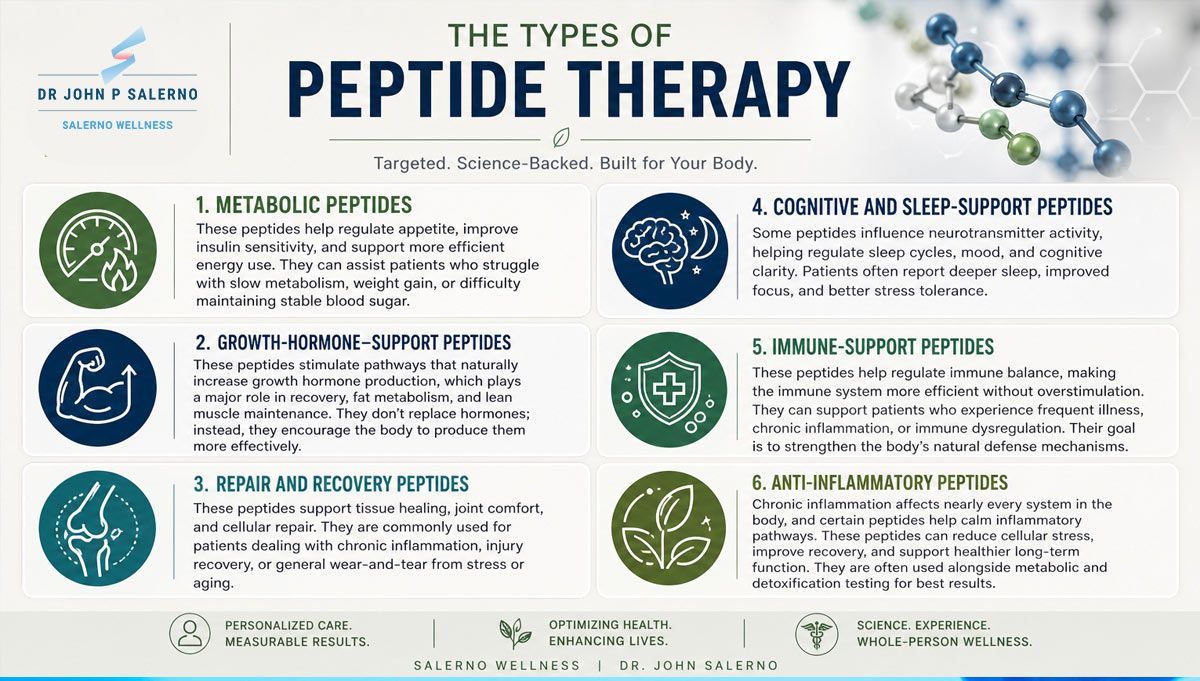
- Peptide Therapy for Immune Modulation - Some patients experience ongoing sinus irritation because their immune system is stuck in a reactive cycle. Peptide therapy helps regulate immune signaling and reduce chronic inflammation. This treatment works at a deeper level than any home remedy or over‑the‑counter medication.
- Nebulized Glutathione or Antioxidant Support - For patients with stubborn congestion or airway irritation, nebulized treatments deliver antioxidants directly to the respiratory tract. This approach helps clear irritants and reduce inflammation where symptoms are happening. Home remedies cannot reach this level of targeted support.
- Mold Toxicity Treatment - Mold exposure creates inflammation and toxin buildup that household remedies cannot remove. Dr. Salerno uses targeted detoxification, glutathione support, immune modulation, and respiratory therapies to help clear mold toxins from the body. These treatments address the internal effects of mold exposure that air purifiers, cleaning, and HVAC filters cannot fix.
- Allergy Treatment - Seasonal and indoor allergies often persist because the immune system remains in a reactive state that home remedies cannot calm. Dr. Salerno uses targeted therapies such as immune‑modulating peptides, anti‑inflammatory IVs, and nutrient optimization to reduce allergic inflammation at its source. These treatments help stabilize the immune response so symptoms finally stop cycling day after day.
These treatments address the deeper biological issues that household remedies cannot fix. When symptoms keep returning despite your best efforts at home, it’s a sign your body needs more direct support. Dr. Salerno provides targeted therapies that help patients breathe easier, recover faster, and finally break the cycle of fall sniffles.
A Clear Path Forward
Fall sniffles often feel like colds, but they’re usually driven by indoor allergens, mold exposure, and inflammation that household remedies cannot fix. When symptoms keep returning despite humidifiers, air purifiers, or over‑the‑counter medications, it’s a sign the underlying issue needs targeted clinical support.
Dr. Salerno offers advanced treatments that address the root causes of persistent congestion, sinus pressure, and allergy‑like symptoms. If you're tired of feeling “almost sick” all season, contact Dr. Salerno to get clear answers and finally breathe comfortably again.
Please contact us online or call us at (212) 582-1700 in New York City or (475) 269-2138 in Connecticut to schedule an appointment.
Additional References
- Mold Toxicity Treatment
- Allergy Season and Immune Dysfunction
- Immune System Treatments
- Medical Tests (Allergy, Mold, Immune Panels)