Cancer Screening Test Receives FDA Endorsement
The most effective medical strategy for long‑term health is prevention. You've heard me say it countless times. Cancer is the leading cause of death for adults ages 45–64. Many cancers have survival rates above 90% when detected early, according to the American Cancer Society. The problem is that only a small percentage are actually found early with traditional screening. One blood draw. That's all. You absolutely can do this!
-Dr. John Salerno
Salerno's Best‑In‑Class Cancer Screening Test Is the Ultimate Power Move for Your Health
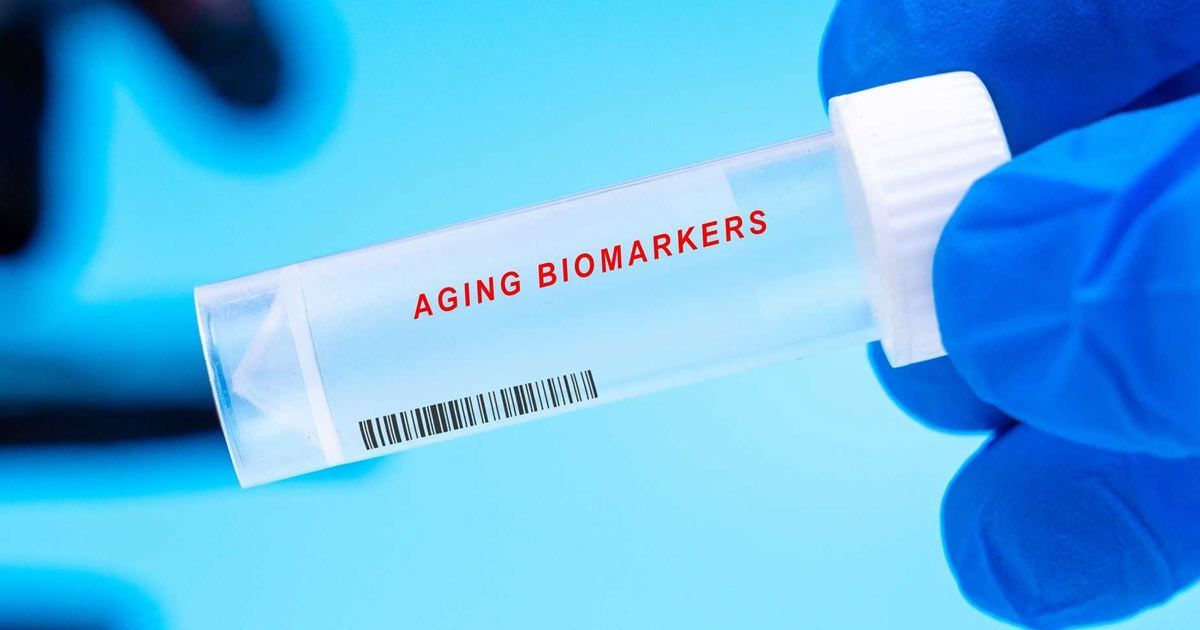
Salerno Wellness has long led preventive and longevity medicine, offering the Galleri® Multi‑Cancer Early Detection Test well before national agencies recognized its value. The FDA has now formally endorsed this breakthrough blood test, validating the same early‑detection strategy Salerno has championed for years. This milestone reinforces Salerno's commitment to proactive, physician‑guided cancer prevention through our Advanced Cancer Screening Test NYC program.
Why Early Cancer Detection Testing Is Essential
Early detection dramatically increases the likelihood of successful treatment, especially for cancers that traditionally remain hidden until advanced stages. Many of the deadliest cancers have no routine screening options, making multi‑cancer blood testing one of the most important innovations in modern preventive care. By identifying cancer signals before symptoms appear, patients gain time, clarity, and a far greater chance of effective intervention.
The Types of Cancers That Can Be Detected
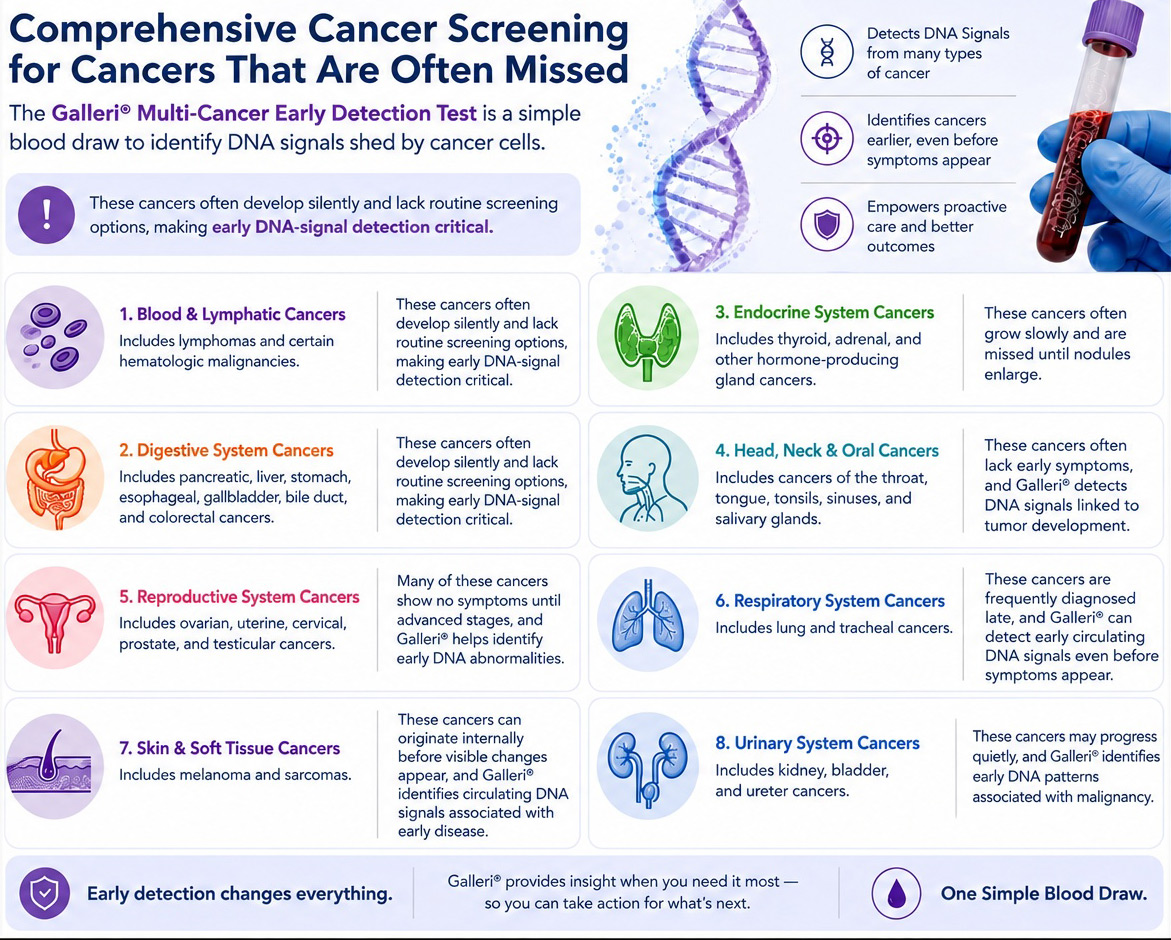
Salerno's Galleri Multi‑Cancer Early Detection Test identifies cancer signals across more than 50 cancer types by analyzing cell‑free DNA methylation patterns. These cancers are grouped by body system rather than listed individually. Presenting these categories alphabetically gives patients a clear, structured understanding of the full scope of detection.
- Blood & Lymphatic Cancers – Includes lymphomas and certain hematologic malignancies. These cancers may not produce early physical symptoms, and the cancer screening test identifies abnormal DNA fragments circulating in the bloodstream.
- Digestive System Cancers – Includes pancreatic, liver, stomach, esophageal, gallbladder, bile duct, and colorectal cancers. These cancers often develop silently and lack routine screening options, making early DNA‑signal detection critical.
- Endocrine System Cancers – Includes thyroid, adrenal, and other hormone‑producing gland cancers. These cancers often grow slowly and are missed until nodules enlarge. The cancer screening test detects early DNA changes.
- Head, Neck & Oral Cancers – Includes cancers of the throat, tongue, tonsils, sinuses, and salivary glands. These cancers often lack early symptoms, and the cancer screening test detects DNA signals linked to tumor development.
- Rare & Hard‑to‑Screen Cancers – Includes cancers of the small intestine, retroperitoneum, peritoneum, and other uncommon tissues. The cancer screening test provides early detection for cancers that historically had no screening options.
- Reproductive System Cancers – Includes ovarian, uterine, cervical, prostate, and testicular cancers. Many of these cancers show no symptoms until advanced stages, and the cancer screening test helps identify early DNA abnormalities.
- Respiratory System Cancers – Includes lung and tracheal cancers. These cancers are frequently diagnosed late, and the cancer screening test can detect early circulating DNA signals even before symptoms appear.
- Skin & Soft Tissue Cancers – Includes melanoma and sarcomas. These cancers can originate internally before visible changes appear. The cancer screening test identifies circulating DNA signals associated with early disease.
- Urinary System Cancers – Includes kidney, bladder, and ureter cancers. These cancers may progress quietly. The cancer screening test identifies early DNA patterns associated with malignancy.
Salerno Wellness offers one of the broadest early‑detection capabilities available in modern medicine, covering cancers across nearly every major organ system. By identifying DNA methylation patterns linked to more than 50 cancer types, it offers insight far beyond traditional screening tools.
Who Is an Ideal Candidate for Multi‑Cancer Early Detection?
Adults aged 50 and older benefit most from multi‑cancer early detection due to increased cancer risk with age. Individuals with family history, genetic predispositions, inflammatory conditions, or lifestyle‑related risk factors are also strong candidates. Patients seeking a proactive, preventive approach to long‑term health will find cancer screening one of the most valuable additions to their wellness strategy.
Add Cancer Screening to Your Annual Holistic Physical
Salerno Wellness offers a comprehensive annual holistic physical that evaluates metabolic health, inflammation, cardiovascular risk, hormone balance, and long‑term disease markers.
Adding the Multi‑Cancer Early Detection Test to your annual physical provides a deeper, more complete picture of your health. This combination lets patients address immediate concerns while proactively identifying hidden risks standard physicals cannot detect.
Please contact us online or call us at (212) 582-1700 in New York City or (475) 269-2138 in Connecticut to schedule an appointment.
Additional References
- Cancer Prevention Tips - Dr. John Salerno