
Goiter Treatments NYC - Dr. John Salerno

Goiter Treatment and Thyroid Enlargement Care at Salerno Wellness in Manhattan, NY and Connecticut
For over 30 years, I have specialized in treating patients with thyroid‑related conditions. Goiter is one such condition that patients come to me for help with. As someone who cares about you, it can be scary to see a swelling in your neck. It may also cause symptoms that affect your quality of life. I understand your concerns, and you deserve a comprehensive, empathetic examination beyond basic blood work. My aim is to determine the underlying cause of your thyroid enlargement and offer adjunctive, functional, and integrative therapies for optimal healing.
-Dr. John Salerno
What Is Goiter?
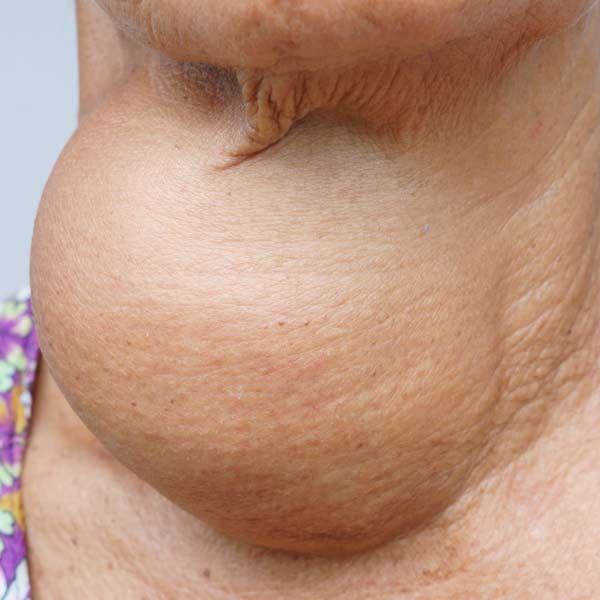
A goiter is an abnormal enlargement of the thyroid gland, which sits at the base of the neck and plays a vital role in regulating metabolism, energy, and hormonal balance. This enlargement can occur even when thyroid hormone levels appear normal, making it essential to look deeper than standard testing. A goiter may develop due to autoimmune activity, nutrient deficiencies, inflammation, or hormonal disruption.
Some goiters remain small and cause minimal symptoms, while others grow large enough to interfere with swallowing, breathing, or speaking. The presence of a goiter is not a diagnosis itself but rather a sign that the thyroid is under stress. Understanding why the thyroid has enlarged is the key to effective treatment. Without proper evaluation, a goiter may continue to grow or lead to additional thyroid complications.
Common Symptoms of a Goiter
Many patients experience a combination of physical discomfort and metabolic symptoms when a goiter develops. The thyroid gland influences nearly every system in the body, so enlargement can lead to a wide range of effects. Symptoms may be subtle at first but often progress over time, especially if the underlying cause is autoimmune or inflammatory.
- Neck Swelling - This is the most recognizable symptom, often appearing as a visible fullness or lump at the base of the neck. The swelling may be more noticeable when shaving, applying makeup, or looking in the mirror. Over time, the enlargement can become more pronounced, causing cosmetic concerns or physical discomfort.
- Difficulty Swallowing - As the thyroid enlarges, it can press against the esophagus, making swallowing feel strained or uncomfortable. Patients may notice this sensation more when eating solid foods or when lying down. This symptom often worsens as the goiter grows.
- Hoarseness or Voice Changes - The thyroid sits close to the vocal cords, and enlargement can place pressure on the laryngeal nerves. This may lead to a raspy voice, reduced vocal strength, or frequent throat clearing. These changes can be persistent and may worsen without treatment.
- Breathing Difficulties - A large goiter can press on the trachea, causing shortness of breath or a tightness in the throat. Some patients experience difficulty breathing when lying flat or during physical activity. This symptom requires prompt evaluation to prevent further complications.
- Fatigue and Low Energy - If the goiter is associated with hypothyroidism, patients may experience persistent fatigue, sluggishness, and reduced stamina. These symptoms often develop gradually and may be mistaken for stress or aging.
- Unexplained Weight Changes - Thyroid enlargement can disrupt hormone production, leading to weight gain or weight loss depending on whether the thyroid becomes underactive or overactive. These changes may occur even with no significant changes in diet or activity level.
- Temperature Sensitivity - Patients may feel unusually cold or hot depending on the goiter's hormonal effects. This symptom often accompanies other metabolic changes and may fluctuate over time.
- Heart Palpitations or Anxiety - If the goiter is associated with hyperthyroidism, patients may experience rapid heartbeat, nervousness, or restlessness. These symptoms can be distressing and may worsen without proper treatment.
Common Causes of a Goiter
A goiter can develop for many reasons, and identifying the underlying cause is essential for effective treatment. Iodine imbalance is one of the most well‑known causes, but it is far from the only factor. Autoimmune conditions such as Hashimoto’s thyroiditis and Graves’ disease can trigger inflammation that leads to thyroid enlargement. Thyroid nodules, whether single or multiple, can also contribute to visible swelling.
Hormonal imbalances, chronic stress, and adrenal dysfunction may place additional strain on the thyroid. Infections, inflammation, and environmental toxins can interfere with thyroid hormone production, leading to thyroid enlargement. Genetic predisposition also plays a role for many patients. Most individuals experience a combination of these factors, which is why a comprehensive evaluation is necessary to determine the true cause of the goiter.
Types of Goiters
- Diffuse Goiter - This type involves uniform enlargement of the entire thyroid gland. It often occurs due to iodine imbalance or autoimmune activity and may cause visible swelling or discomfort.
- Nodular Goiter - A nodular goiter develops when one or more nodules form within the thyroid. These nodules can cause uneven swelling and may affect hormone production.
- Multinodular Goiter - This condition involves multiple nodules throughout the thyroid gland. It may develop gradually and can lead to significant enlargement over time.
- Toxic Goiter - A toxic goiter produces excess thyroid hormone, leading to symptoms of hyperthyroidism. This type requires careful evaluation to prevent complications.
- Nontoxic Goiter - A nontoxic goiter does not affect hormone levels but may still cause discomfort or cosmetic concerns. It often results from iodine imbalance or mild inflammation.
- Inflammatory Goiter - This type occurs due to thyroiditis or infection, causing temporary or long‑term swelling. Inflammation may fluctuate and cause varying symptoms.
Candidates for Treatment by Dr. John Salerno
Patients who experience visible swelling in the neck, difficulty swallowing, or persistent throat discomfort are strong candidates for evaluation. Individuals who notice unexplained fatigue, weight changes, or temperature intolerance may also benefit from thyroid assessment. Those with a family history of thyroid disease or autoimmune conditions should be evaluated promptly. Patients who have been told that their labs are normal but still feel unwell often discover underlying imbalances through advanced testing. Anyone seeking a root‑cause, integrative approach to thyroid health is an ideal candidate for treatment.
My goal is to provide clarity, support, and a personalized plan for individuals who feel unheard or dismissed by conventional care. Early evaluation helps prevent complications and supports long‑term wellness.
Related Medical Conditions That Can Be Treated by Dr. Salerno
Goiter often overlaps with other thyroid and hormonal conditions that require careful evaluation and treatment. Many patients experience symptoms that extend beyond the thyroid itself, affecting metabolism, energy, and overall well‑being. Addressing these related conditions helps create a more complete and lasting improvement in health.
- Hypothyroidism - This condition occurs when the thyroid does not produce enough hormones, leading to fatigue, weight gain, and cold intolerance. A goiter may develop as the thyroid attempts to compensate for reduced hormone production.
- Hyperthyroidism - Excess thyroid hormone can cause anxiety, rapid heartbeat, and weight loss. A toxic goiter may develop when the thyroid becomes overstimulated.
- Hashimoto’s Thyroiditis - This autoimmune condition causes chronic inflammation of the thyroid, often leading to enlargement and eventual hypothyroidism. Early treatment can help reduce inflammation and slow progression.
- Graves’ Disease - This autoimmune disorder overstimulates the thyroid, causing hyperthyroidism and enlargement. Managing immune activity is essential for long‑term stability.
- Thyroid Nodules - Nodules can form within the thyroid and contribute to uneven swelling or discomfort. Some nodules may affect hormone production and require monitoring or treatment.
- Hormonal Imbalances - Estrogen dominance, adrenal dysfunction, and metabolic stress can influence thyroid size and function. Addressing these imbalances supports overall thyroid health.
- Chronic Inflammation - Systemic inflammation can stress the thyroid and contribute to thyroid enlargement. Reducing inflammation helps improve symptoms and prevent progression.
- Metabolic Disorders - Blood sugar instability, weight fluctuations, and insulin resistance can affect thyroid function and contribute to the development of goiter.
How Conventional Medicine Treats Goiters
Conventional medicine typically focuses on the size of the goiter and whether thyroid hormone levels fall within standard ranges. Patients may be advised to monitor the swelling over time, even if symptoms persist. Treatment may include thyroid hormone replacement, antithyroid medications, radioactive iodine, or surgery for large or obstructive goiters. While these approaches can be appropriate in certain cases, they may not address underlying inflammation, autoimmune activity, nutrient deficiencies, or metabolic imbalances. Many patients continue to experience symptoms despite normal lab results or standard treatment. This gap in care is why so many individuals seek a more comprehensive, integrative approach.
How Dr. John Salerno Treats Goiter
My approach begins with a detailed evaluation of thyroid function, autoimmune markers, nutrient levels, and inflammatory indicators. I look beyond standard thyroid tests to understand the full picture of your health. Treatment may include targeted nutritional support to correct iodine, selenium, or zinc imbalances. Anti‑inflammatory dietary strategies help reduce thyroid stress. Autoimmune stabilization is essential for patients with Hashimoto’s or Graves’ disease.
Advanced supplementation and adrenal support may help balance hormonal rhythms. When appropriate, I incorporate IV therapy, detoxification protocols, or bioidentical hormone support. Each treatment plan is customized to the patient’s unique physiology and health history. My goal is to reduce inflammation, normalize thyroid function, and prevent further glandular enlargement.
Possible Side Effects of Treatment
Most patients tolerate treatment very well, but mild effects may occur as the thyroid stabilizes. Some individuals experience temporary shifts in energy or mood as hormone levels adjust. Digestive changes may occur with certain supplements. Sleep patterns may shift as inflammation decreases and metabolic balance improves. These effects are typically mild and short‑lived. As the body heals, most patients experience improved comfort, energy, and overall well‑being.
What Can Happen if Goiters Are Left Untreated?
If a goiter is not properly evaluated or treated, it may continue to enlarge and cause increasing discomfort. Difficulty swallowing or breathing may worsen over time. Hormone imbalances may develop or intensify. Autoimmune activity may progress, leading to further inflammation and thyroid dysfunction. Metabolic issues such as weight changes, fatigue, and temperature intolerance may worsen. In advanced cases, untreated goiters may require surgical intervention. Early evaluation and treatment help prevent complications and support long‑term thyroid health.
Patient Case Study
Maria, a 48‑year‑old woman, came to my office after noticing a growing fullness in her neck and increasing fatigue. Her primary doctor told her that her thyroid labs were normal and recommended monitoring. Despite this, her discomfort worsened, and she began experiencing difficulty swallowing. After a comprehensive evaluation, her testing revealed autoimmune thyroiditis and nutrient imbalances contributing to her goiter. We developed a personalized plan that included nutritional support, anti‑inflammatory dietary changes, and targeted supplementation.
Within weeks, her energy improved. Over several months, her inflammation decreased, her swallowing normalized, and her thyroid swelling reduced significantly. Maria regained her comfort and confidence without invasive procedures. Her case demonstrates how integrative care can restore balance and improve quality of life. She continues to follow a personalized wellness plan to maintain her thyroid health. Her progress highlights the importance of early intervention and comprehensive evaluation.
Why Patients Choose Dr. John Salerno
Patients choose my practice because they want a physician who listens, investigates, and treats the whole person. With decades of experience in functional and integrative medicine, I specialize in uncovering the root causes of thyroid disorders and creating personalized, effective treatment plans. My approach combines advanced testing, nutritional science, and integrative therapies to restore balance and long‑term wellness. Patients appreciate the time, attention, and clarity they receive throughout their care.
My goal is to help each individual understand their condition and feel empowered in their healing journey. I believe in addressing the underlying causes rather than masking symptoms. This philosophy has helped countless patients achieve lasting improvements in their health.

Contact Dr. John Salerno For A Consultation To Begin Goiter Treatments in NYC and CT
A goiter can affect your comfort, confidence, and overall health, but with the right evaluation and treatment, healing is possible. My goal is to help you understand the cause of your thyroid enlargement and restore your well‑being through personalized, integrative care. If you are ready to take the next step, I invite you to schedule a consultation. Together, we can create a plan that supports your long‑term thyroid health.
Early intervention can prevent complications and improve your quality of life. You deserve answers, clarity, and compassionate care. Please contact Salerno Wellness today to begin your healing journey. I look forward to supporting you every step of the way.
Please contact us today.