
Stress Management Treatments NYC - Dr. John Salerno
Integrative Stress Reduction Therapies by Salerno Wellness in Manhattan, NY, and Connecticut by Salerno Wellness in Manhattan, NY and Connecticut
I have spent the past few decades restoring the health of patients from chronic stress. I know how stressful, exhausting, and frustrating it can be to not know why you feel this way despite feeling like you are doing “all the right things”. Conventional medicine says your stress is all "mental." It's not. I want you to know that your symptoms are valid, and you deserve a thorough examination using compassionate, evidence-based medicine. I'm here to uncover the triggers of your stress response and guide you using complementary, functional, and integrative modalities to help bring back equilibrium to your mind and body.
-Dr. John Salerno
Dr. Salerno's Approach to Stress Management
Dr. Salerno's approach to stress management is a comprehensive, medically guided process of identifying, reducing, and treating the physical, emotional, and biochemical effects of chronic stress. It involves understanding how the body’s stress response system—particularly the adrenal glands, cortisol levels, and nervous system—reacts to ongoing pressure or unresolved tension.
Chronic stress can disrupt sleep, digestion, hormones, immunity, and cognitive function, often without patients realizing the connection. Effective stress management evaluates these systems and provides targeted interventions to restore equilibrium. It includes lifestyle strategies, nutritional support, hormone balancing, detoxification, and mind‑body therapies.
Dr. Salerno's stress management is not simply about “relaxing”; it is about correcting physiological imbalances that keep the body in a constant state of alert. When properly addressed, patients often experience improved energy, mood stability, mental clarity, and overall resilience. Stress management is a cornerstone of functional medicine because it influences nearly every system in the body.
Common Symptoms of Chronic Stress
Chronic stress affects each patient differently, but it often presents with a predictable pattern of physical, emotional, and cognitive symptoms. These symptoms may appear gradually or suddenly, and many patients do not realize they are stress‑related until a comprehensive evaluation is performed. Recognizing these symptoms early allows for more effective treatment and prevents long‑term complications.
- Persistent Fatigue — Many patients feel tired even after a full night's sleep because chronic stress disrupts cortisol rhythms and adrenal function. This fatigue often worsens throughout the day and may be accompanied by difficulty concentrating or staying alert.
- Sleep Disturbances — Stress can interfere with the body's ability to fall asleep or stay asleep, leading to insomnia or restless sleep. Over time, this lack of restorative sleep further intensifies stress and hormonal imbalance.
- Digestive Issues — Stress alters gut motility and enzyme production, causing bloating, constipation, diarrhea, or abdominal discomfort. These symptoms often worsen after meals or during periods of emotional strain.
- Mood Changes — Irritability, anxiety, sadness, or emotional sensitivity are common because stress affects neurotransmitter balance. Patients may feel overwhelmed by tasks that previously felt manageable.
- Headaches or Migraines — Muscle tension, hormonal fluctuations, and vascular changes triggered by stress can lead to frequent headaches. These headaches may become chronic if stress remains untreated.
- Muscle Tension and Pain — Stress often causes tightness in the neck, shoulders, jaw, and back due to prolonged activation of the body's fight‑or‑flight response. This tension can contribute to chronic pain syndromes.
- Hormonal Imbalances — Stress disrupts the endocrine system, affecting thyroid function, reproductive hormones, and adrenal output. Patients may experience irregular cycles, low libido, or worsening PMS symptoms.
- Difficulty Concentrating — Cognitive fog, forgetfulness, and reduced mental clarity occur when stress hormones interfere with brain signaling. Patients may struggle with productivity or decision‑making.
Many patients do not realize how interconnected these symptoms are until stress is properly evaluated and addressed. When the underlying stress response is regulated, these symptoms often improve together rather than in isolation. Understanding this pattern helps patients recognize that their discomfort is not random, but a sign that the body is asking for support and balance.
Common Causes of Chronic Stress
Chronic stress can arise from a wide range of physical, emotional, and environmental factors that place ongoing pressure on the body's regulatory systems. Many patients experience stress due to demanding work schedules, financial concerns, or family responsibilities that accumulate over time. Others develop stress responses from unresolved trauma, chronic illness, or hormonal imbalances that strain the nervous system.
Nutritional deficiencies, poor sleep habits, and excessive caffeine or sugar intake can further intensify the stress response. Environmental toxins, inflammation, and hidden infections may also contribute to chronic stress by overloading the immune and detoxification systems.
In some cases, stress develops because the adrenal glands become fatigued from prolonged cortisol production. Additionally, modern lifestyle factors—such as constant digital stimulation and lack of downtime—keep the body in a heightened state of alert. Understanding these causes allows for targeted, individualized treatment that addresses both the triggers and the physiological consequences of stress.

How Elevated Stress Disrupts Your Body’s Natural Balance
Chronic stress activates the brain’s alarm system, triggering the amygdala and signaling the body to stay on high alert. This activates the sympathetic nervous system, increasing heart rate, blood pressure, and muscle tension as the body prepares for a perceived threat. As stress continues, the HPA axis releases cortisol, which disrupts sleep, digestion, immunity, and hormone balance.
Elevated cortisol also raises blood sugar and suppresses normal metabolic and inflammatory regulation. Digestion slows down, leading to bloating, irregular bowel habits, and changes in gut microbiome health. Over time, chronic stress weakens the immune system, making the body vulnerable to infections and inflammation.
The brain itself begins to change, with the amygdala becoming more reactive and the hippocampus and prefrontal cortex showing reduced function. These combined effects create a cycle of fatigue, mood instability, cognitive fog, and physical symptoms that worsen if stress remains unaddressed.
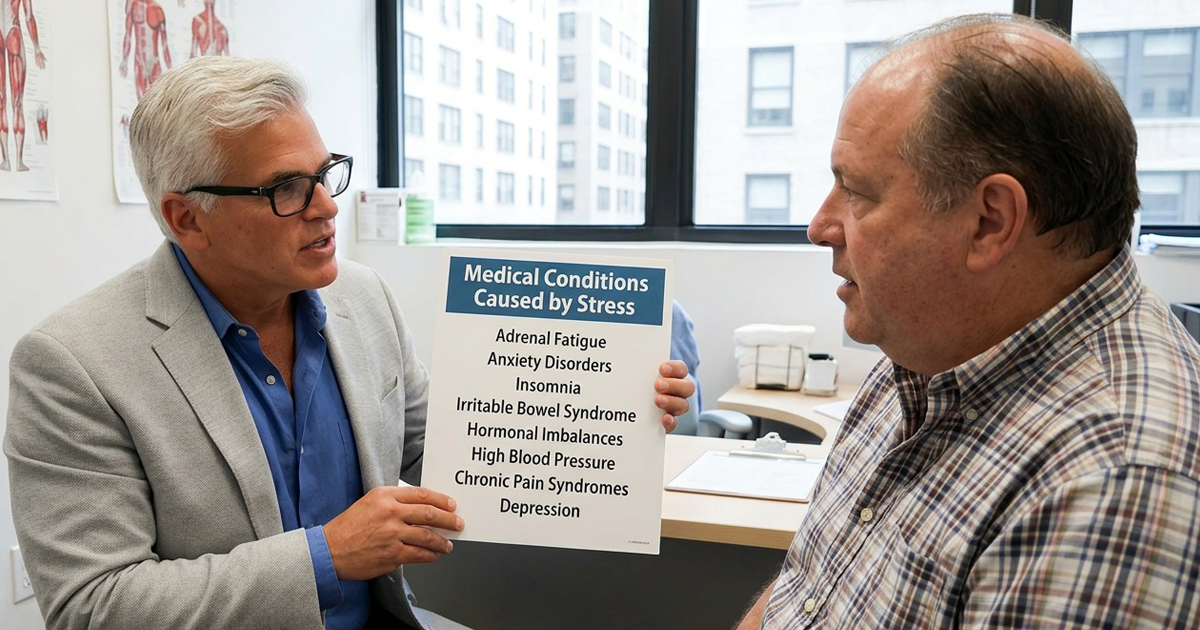
Stress-Related Medical Conditions That Can Be Treated by Dr. Salerno
Stress is closely linked to numerous medical conditions that can improve significantly with proper evaluation and treatment. Many of these conditions develop gradually as chronic stress disrupts hormonal, neurological, and metabolic pathways. Addressing stress often leads to meaningful improvements in these related disorders.
- Adrenal Fatigue — Chronic stress overworks the adrenal glands, leading to irregular cortisol patterns and persistent exhaustion. Treating stress helps restore adrenal balance and improves energy levels.
- Anxiety Disorders — Stress can heighten the body's fight‑or‑flight response, contributing to ongoing anxiety. By regulating cortisol and supporting neurotransmitter balance, patients often experience reduced anxiety symptoms.
- Insomnia — Stress disrupts circadian rhythms and sleep hormones, making it difficult to fall or stay asleep. Stress management treatments help reestablish healthy sleep cycles and improve sleep quality.
- Irritable Bowel Syndrome (IBS) — Stress affects gut motility and microbiome balance, worsening IBS symptoms. Reducing stress can significantly improve digestion and reduce flare‑ups.
- Hormonal Imbalances — Stress interferes with thyroid, adrenal, and reproductive hormones, leading to fatigue, weight changes, and mood instability. Treating stress helps restore hormonal equilibrium.
- High Blood Pressure — Chronic stress elevates blood pressure through vascular tension and increased cortisol. Stress reduction strategies can support healthier cardiovascular function.
- Chronic Pain Syndromes — Stress intensifies muscle tension and inflammation, worsening pain conditions. Addressing stress can reduce pain frequency and severity.
- Depression — Stress alters neurotransmitter levels and brain chemistry, contributing to depressive symptoms. Integrative stress management supports emotional stability and improved mood.
Chronic stress rarely exists in isolation, and addressing it often leads to measurable improvements across multiple related conditions. By restoring hormonal balance, regulating the nervous system, and reducing inflammation, patients frequently experience relief in symptoms they once believed were unrelated. Treating stress at its root creates a foundation for better long‑term health and improved overall quality of life.

Candidates for Stress Management Treatments by Dr. John Salerno
Patients who experience persistent fatigue, mood changes, or difficulty coping with daily responsibilities may benefit from stress management treatment. Individuals who struggle with sleep disturbances, digestive issues, or hormonal imbalances often find that stress is a major underlying factor.
Those who feel overwhelmed, emotionally drained, or unable to relax despite rest may also be ideal candidates. Patients with chronic medical conditions such as hypertension, anxiety, or autoimmune disorders frequently experience improvements when stress is addressed.
Individuals who have tried conventional treatments without lasting relief may benefit from a functional approach that identifies root causes. Patients experiencing burnout from work or caregiving responsibilities often respond well to integrative stress therapies. Those with a history of trauma or prolonged emotional strain may also benefit from targeted support. Anyone seeking a comprehensive, personalized approach to improving their physical and emotional resilience is a strong candidate for treatment.
How Conventional Medicine Treats Chronic Stress
Conventional medicine typically approaches stress by addressing symptoms rather than underlying causes. Patients may be prescribed medications such as antidepressants, anti‑anxiety drugs, or sleep aids to manage emotional or physical discomfort. While these medications can provide temporary relief, they do not correct hormonal imbalances, nutritional deficiencies, or adrenal dysfunction. Conventional care may also recommend general lifestyle changes such as exercise or relaxation techniques, but these suggestions are often not individualized.
Laboratory testing for cortisol, nutrient levels, or inflammation is rarely performed unless symptoms are severe. As a result, many patients continue to struggle with chronic stress despite following standard medical advice. Conventional medicine tends to view stress as a psychological issue rather than a physiological condition that affects multiple systems. This approach can leave patients feeling unheard or misunderstood, especially when their symptoms persist.
How Dr. John Salerno Treats Stress Management
I take a comprehensive, integrative approach to stress management that addresses both the emotional and physiological effects of chronic stress. My evaluation includes advanced testing to assess adrenal function, hormone levels, nutrient deficiencies, inflammation, and metabolic health. I develop individualized treatment plans that combine nutritional therapy, targeted supplementation, hormone balancing, and detoxification support. My goal is to restore the body's natural stress response rather than simply masking symptoms.
I also incorporate mind‑body therapies to help patients regulate their nervous system and improve emotional resilience. Sleep optimization is a key component of treatment because restorative sleep is essential for healing. I work closely with each patient to identify lifestyle factors that contribute to stress and provide practical strategies for long‑term improvement. This integrative approach allows patients to regain energy, clarity, and a sense of control over their health.
Possible Side Effects of Treatment
Most stress management treatments are well tolerated, but some patients may experience mild, temporary effects as their bodies adjust. Nutritional changes may cause brief digestive shifts as the gut adapts to improved dietary patterns. Detoxification protocols can lead to mild fatigue or headaches as toxins are mobilized and eliminated. Hormone balancing may cause temporary fluctuations in mood or energy as levels stabilize.
IV vitamin therapy can occasionally cause minor discomfort at the injection site. Supplements that support adrenal function may initially increase energy before settling into a balanced rhythm. Mind‑body therapies may bring emotional awareness to the surface, which can feel unfamiliar at first. These effects typically resolve quickly and are monitored closely throughout treatment.
What Can Happen if Chronic Stress is Untreated
Untreated chronic stress can lead to significant long‑term health consequences that affect nearly every system in the body. Prolonged stress disrupts cortisol rhythms, leading to adrenal fatigue and persistent exhaustion. It can weaken the immune system, making patients more susceptible to infections and chronic inflammation. Hormonal imbalances may worsen, contributing to thyroid dysfunction, reproductive issues, and metabolic disturbances.
Cardiovascular risks increase due to elevated blood pressure and vascular tension. Digestive problems may intensify, leading to IBS, nutrient malabsorption, or chronic gut inflammation. Cognitive function can decline, resulting in memory issues, difficulty concentrating, and reduced mental clarity. Emotional health may deteriorate, increasing the risk of anxiety, depression, or burnout. Over time, untreated stress can significantly diminish quality of life and contribute to chronic disease.
Stress Management Patient Case Study
Maria, a 42‑year‑old woman, came to my office experiencing persistent fatigue, irritability, and difficulty sleeping. She reported feeling overwhelmed at work and struggled to manage daily responsibilities despite trying multiple lifestyle changes. Her symptoms had gradually worsened over two years, leaving her emotionally drained and physically exhausted. Laboratory testing revealed elevated cortisol levels, nutrient deficiencies, and early signs of adrenal fatigue.
I developed a personalized treatment plan that included nutritional therapy, adrenal support supplements, and a structured sleep optimization program. Within four weeks, Maria noticed improved energy and fewer mood swings. Her sleep became more consistent, and she reported waking up feeling more refreshed. As treatment continued, her digestive symptoms improved, and her anxiety decreased significantly.
By the three‑month mark, Maria felt more balanced, focused, and able to handle daily stressors. She expressed that this was the first time in years she felt like herself again. Her progress demonstrates how addressing the root causes of stress can lead to meaningful, lasting improvements in overall health.
Why Patients Choose Dr. John Salerno
Patients choose my practice because they value a physician who listens carefully and takes their symptoms seriously. I provide a comprehensive evaluation that goes beyond standard testing to uncover the underlying causes of stress‑related conditions. My integrative approach combines functional medicine, nutritional therapy, and hormone balancing to create individualized treatment plans. Patients appreciate that I focus on long‑term healing rather than temporary symptom relief.
My 30 years of experience allow me to recognize patterns that are often overlooked in conventional care. I prioritize patient education so individuals understand their treatment and feel empowered in their healing process. My practice emphasizes compassionate, attentive care that supports both physical and emotional well‑being. Patients trust my commitment to helping them achieve lasting improvements in their quality of life.
Advanced Chronic Stress Treatment FAQs
1. Can chronic stress alter hormone signaling even if standard bloodwork appears normal? Yes. Many patients experience significant stress‑related hormonal disruption long before abnormalities appear on routine lab panels. Cortisol rhythm disturbances, adrenal strain, and neurotransmitter shifts often require more advanced functional testing to detect, which is why symptoms may persist despite “normal” results.
2. How does long‑term stress affect the gut‑brain axis and microbiome health? - Chronic stress changes gut motility, reduces digestive enzyme output, and alters the balance of beneficial bacteria. These changes can increase intestinal permeability and inflammation, which then feed back into the nervous system and intensify stress‑related symptoms.
3. Can unresolved stress contribute to conditions that seem unrelated, such as thyroid dysfunction or metabolic issues? -Yes. Elevated cortisol interferes with thyroid hormone conversion, insulin sensitivity, and metabolic regulation. Many patients with fatigue, weight changes, or temperature intolerance discover that chronic stress is a major underlying driver of their symptoms.
4. Why do some patients experience physical symptoms of stress even when they don’t feel emotionally overwhelmed? - The body can remain in a heightened stress state even when the mind has adapted to the pressure. Physiological stress responses—such as elevated cortisol, inflammation, or autonomic imbalance—can persist silently and manifest as physical symptoms long before emotional distress becomes noticeable.
5. Is it possible for chronic stress to change how the brain processes memory, focus, and decision‑making? - Yes. Prolonged stress affects the hippocampus, prefrontal cortex, and amygdala, leading to cognitive fog, reduced concentration, and heightened reactivity. These neurological changes are reversible with proper treatment, but they often go unrecognized until stress is addressed at the root level.

Contact Dr. John Salerno For A Consultation on Managing Your Stress
Stress is a complex condition that affects the body in ways many patients do not fully recognize until symptoms become overwhelming. Addressing stress requires a comprehensive, medically guided approach that evaluates hormonal balance, adrenal function, nutrient status, and lifestyle factors.
My integrative treatments focus on restoring the body's natural resilience and correcting the underlying causes of chronic stress. Patients often experience improvements in energy, mood, sleep, and overall well‑being as treatment progresses.
If you are struggling with persistent stress or related symptoms, you do not have to navigate this alone. I am committed to helping you regain balance and restore your quality of life. Contact Salerno Wellness today to schedule a consultation and begin your personalized stress management plan. Together, we can create a path toward long‑term health and emotional stability.
Please contact us today.
Additional References
- Stress and Your Health - MedlinePlus
- Stress is How Our Body Responds to Pressures or Tension - CDC