Dementia Treatments NYC - Dr. John Salerno

New Insights on Dementia: Root Causes, Early Clues, and Breakthrough Support by Salerno Wellness in Manhattan, NY, and Connecticut
Dementia is one of the most challenging and feared health conditions associated with aging. It affects memory, behavior, language, and the ability to perform everyday tasks. While many people think of dementia as a single disease, it is actually a collection of symptoms caused by underlying brain disorders, most commonly Alzheimer’s disease. I believe that understanding dementia development and how to intervene early is essential for protecting long-term cognitive health.
-Dr. John Salerno
What is Dementia?
Dementia is a broad term describing a decline in cognitive abilities severe enough to interfere with daily life. It affects memory, reasoning, language, mood, and behavior. Dementia is not a regular part of aging; it results from damage to brain cells and their connections.
Common Symptoms Include
- Memory loss is noticeable to others
- Difficulty communicating or finding words
- Trouble with planning, organizing, or problem-solving
- Confusion or disorientation
- Personality or mood changes, including anxiety or agitation
The most common cause of dementia is Alzheimer’s disease, which accounts for 60–80% of cases. Other causes include vascular dementia, Lewy body dementia, frontotemporal dementia, and mixed dementia.
Common Causes of Dementia
Dementia develops when brain cells are damaged or destroyed. The specific cause depends on the type of dementia, but several mechanisms are well‑documented:
- Toxic Protein Accumulation - In Alzheimer’s disease, two proteins—amyloid‑β plaques and tau tangles—accumulate abnormally in the brain. These proteins disrupt neuronal communication, triggering inflammation and cell death.
- Vascular Damage - Reduced blood flow to the brain, often from small strokes or chronic cardiovascular issues, can impair cognition and lead to vascular dementia.
- Oxidative Stress and Inflammation - Chronic inflammation, environmental toxins, and oxidative stress accelerate neuronal damage and aging.
- Nutrient Deficiencies - Low levels of B vitamins, vitamin D, omega-3 fatty acids, and antioxidants can impair brain function.
- Lifestyle Factors - Poor sleep, sedentary behavior, high sugar intake, and chronic stress all contribute to cognitive decline.
- Genetic Predisposition - Specific genes, such as APOE‑ε4, increase the risk of Alzheimer’s, but genetics alone do not determine destiny.
How the Traditional Medical Community Treats Dementia
Conventional medicine views dementia as a progressive, irreversible condition. Treatments focus on slowing symptoms rather than reversing the underlying pathology. Common Medical Treatments Include:
- Cholinesterase inhibitors (donepezil, rivastigmine) to support memory and cognition
- NMDA receptor antagonists (memantine) to regulate glutamate activity
- Antidepressants or antipsychotics for mood and behavioral symptoms
- Newer monoclonal antibody drugs targeting amyloid plaques
These treatments may offer modest symptom relief, but they do not address the full spectrum of metabolic, inflammatory, and environmental factors contributing to neurodegeneration. This is where integrative medicine offers a more comprehensive approach.

The Salerno Wellness Approach to Dementia
We believe the brain can be supported, protected, and strengthened when the right biological conditions are restored. Dementia is not simply a genetic accident; it is often the result of chronic inflammation, toxic burden, nutrient depletion, and impaired detoxification. When these underlying imbalances are identified and corrected, the brain is far more capable of repairing itself and maintaining healthy function. Emerging research continues to show that lifestyle, environment, and metabolic health play a powerful role in shaping long‑term cognitive outcomes.
Our approach includes:
- Advanced diagnostic testing to identify inflammation, toxins, nutrient deficiencies, and metabolic dysfunction
- Targeted nutritional therapy to support brain health
- Detoxification therapies, including IV chelation
- Hormone and metabolic optimization
- Oxygenation therapies, including Hyperbaric Oxygen Therapy (HBOT)
- Specialized IV protocols designed to target degenerative proteins
- Holistic Physical to ensure a complete analysis
The goal is to create a biological environment where the brain can function optimally and harmful processes are slowed or reversed.
A Closer Look at the Salerno Protocols for Dementia and Cognitive Decline
One of the most innovative aspects of our dementia care is our targeted IV therapy, designed to support the removal or neutralization of harmful proteins associated with Alzheimer’s disease.
How Our Protocols Work
Our proprietary IV formulations are designed to physically bind to pathological proteins, such as amyloid‑β plaques and tau tangles. This is not an indirect or accidental interaction—it is a selective, intentional binding process.
- Selective Binding to Amyloid and Tau - The compounds used in our IV therapy are specifically formulated to bind directly to amyloid-ß plaques and tau protein tangles, two of the central pathological drivers of Alzheimer’s disease. This targeted interaction allows the therapy to focus on the structures that contribute most to neurodegeneration while avoiding unnecessary interaction with unrelated proteins. Such selectivity is essential because it ensures the treatment is directed at the true sources of cognitive decline rather than broadly addressing inflammation or oxidative stress alone.
- Why Selective Binding Matters - Direct binding to toxic proteins is more than a biochemical detail; it has meaningful therapeutic implications. When a compound attaches to amyloid or tau, it can help reduce the overall burden of these harmful proteins and support the body’s natural clearance pathways. This process may slow the progression of neurodegeneration, improve cellular communication, and enhance mitochondrial function. While this mechanism resembles the action of certain monoclonal antibody therapies, our approach is nutrient-based and integrative, designed to work with the body’s innate detoxification systems rather than override them.
- Direct Engagement in the Bloodstream and Brain - Because this therapy is delivered intravenously, it enters the bloodstream immediately and circulates through the brain’s vascular network without delay. This direct access enables therapeutic compounds to interact with pathological proteins more efficiently and to support detoxification and clearance processes. The goal is not merely theoretical improvement but a meaningful biological effect that contributes to healthier brain function and long-term cognitive resilience.
Additional Therapies That Support Cognitive Health at Salerno Wellness
- Hyperbaric Oxygen Therapy (HBOT) - HBOT increases oxygen delivery to the brain, supporting healing, reducing inflammation, and improving mitochondrial function.
- Chelation Therapy - Helps remove heavy metals such as mercury and lead, which are known to impair cognitive function.
- Nutritional Optimization - We emphasize anti-inflammatory diets, high-antioxidant foods, omega-3 fatty acids, targeted B-vitamin support, and optimal vitamin D levels to strengthen the body’s natural healing capacity.
- Hormone Balancing - Thyroid, testosterone, estrogen, and cortisol all influence brain function.
- Gut Restoration - The gut-brain axis plays a significant role in inflammation and cognition.
Why Patients and Their Families Choose Dr. John Salerno for Dementia Treatments NYC and CT
Patients with dementia often choose Dr. John Salerno because his approach goes far beyond symptom management and focuses on uncovering the underlying biological imbalances that contribute to cognitive decline. Many individuals and families feel seen for the first time when they meet him—he listens closely, evaluates the whole person, and uses advanced testing to identify inflammation, toxic burden, nutrient deficiencies, and metabolic disruptions that may be accelerating memory loss. Instead of assuming dementia is an untreatable, predetermined condition, he works to restore the internal environment in which the brain can function more clearly and age more gracefully.
They also chose Dr. Salerno because his treatment philosophy blends scientific rigor with integrative, targeted therapies that support the body’s natural healing pathways. His protocols—including nutrient‑based IV therapies designed to bind to harmful proteins like amyloid and tau—offer patients a sense of hope rooted in biology, not wishful thinking. Families appreciate that his care is proactive, personalized, and grounded in the belief that meaningful improvement is possible when the right systems are supported. For many, this combination of expertise, innovation, and genuine compassion is exactly what they’ve been searching for.
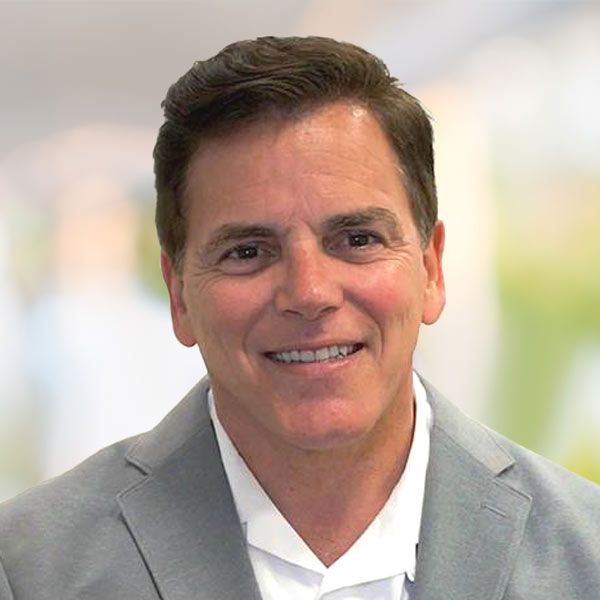
Contact Dr. John Salerno For A Consultation on Dementia Treatments in Manhattan, NYC, and Connecticut
Dementia is a complex condition, but it is not untouchable. By understanding the biological processes that drive neurodegeneration, and by using targeted, integrative therapies, we can support the brain in powerful ways. Our mission is to help patients protect their cognitive function, reduce harmful protein burden, and restore the metabolic balance the brain needs to thrive.
If you or a loved one is concerned about memory loss or cognitive decline, we are here to guide you with advanced testing, personalized treatment, and cutting-edge integrative therapies.
Please contact us online or call to schedule an appointment at (212) 582-1700 in New York City or (475) 269-2138 in Connecticut.
Additional References
- Dementia Symptoms and Causes - Mayo Clinic
- About Dementia - Centers for Disease Control and Prevention