
Weight Loss Resistance Treatments NYC - Dr. John Salerno

Physician‑Led Strategies to Break Through Weight‑Loss Plateaus and Restore Metabolic Balance in New York City and Connecticut
Weight‑loss resistance occurs when the body fails to respond to diet, exercise, or conventional weight‑loss methods. Many individuals experience stalled progress, unexplained weight gain, or difficulty losing weight despite consistent effort. At Salerno Wellness, I evaluate weight‑loss resistance through a functional, hormonal, and metabolic lens to identify the underlying drivers that conventional approaches often overlook. My goal is to help patients break through plateaus, restore metabolic balance, and achieve sustainable weight reduction through physician‑led, personalized care. With proper evaluation and targeted treatment, most patients experience meaningful improvement in energy, weight, and long‑term wellness.
-Dr. John Salerno
What Weight Loss Resistance Is and How It Affects the Body
Weight‑loss resistance is a multi‑factor condition in which metabolic, hormonal, or inflammatory imbalances prevent the body from losing weight effectively. It often develops due to insulin resistance, thyroid dysfunction, cortisol imbalance, chronic inflammation, or nutrient deficiencies. These factors may disrupt appetite regulation, fat metabolism, and energy production.
Many individuals experience cravings, fatigue, abdominal weight gain, or stalled progress despite lifestyle changes. Others may notice elevated triglycerides, abnormal fasting glucose, or increased visceral fat. Understanding how weight‑loss resistance affects multiple systems helps guide effective treatment. With proper evaluation and integrative care, most patients experience improved metabolic stability and renewed weight‑loss momentum.
Common Symptoms of Weight‑Loss Resistance
Struggling to shed excess pounds despite strict dieting and consistent workouts is rarely a sign of poor discipline; more often, it signals underlying biological friction within your metabolic systems. When internal cellular signaling, hormonal communication, or energy production pathways become disrupted, your body actively resists fat loss as a survival response. Recognizing these progressive signs early is essential to move away from ineffective short-term diets and identify the specific clinical factors keeping your body in storage mode.
- Difficulty losing weight – Despite diet and exercise, weight may remain unchanged.
- Abdominal weight gain – Increased visceral fat may indicate metabolic imbalance.
- Cravings – Blood sugar instability may drive hunger and overeating.
- Fatigue – Reduced energy may develop due to hormonal or metabolic dysfunction.
- Slow metabolism – Thyroid or adrenal imbalance may reduce metabolic rate.
- Mood changes – Cortisol imbalance may affect emotional stability.
- Weight plateaus – Progress may stall even with consistent lifestyle changes.
Because these overlapping signals point to systemic imbalances rather than a simple lack of effort, pushing through with harsher calorie restriction or extreme exercise often backfires by increasing stress hormones. Overcoming weight loss resistance requires moving past surface-level symptoms to address the true root cause. A personalized, physician-led evaluation allows us to map your unique metabolic profile, target underlying barriers like insulin or thyroid dysfunction, and build a safe, sustainable strategy for long-term health.
Why Weight‑Loss Resistance Develops
Weight‑loss resistance often develops due to a combination of metabolic, hormonal, inflammatory, and lifestyle factors. Insulin resistance may contribute to increased fat storage and cravings. Thyroid dysfunction may slow metabolism and reduce energy production. Chronic stress may disrupt cortisol regulation, affecting appetite and weight. Nutrient deficiencies may impair metabolic pathways and increase inflammation. Environmental toxins may contribute to oxidative stress and metabolic instability. Some individuals experience weight‑loss resistance due to genetics or long‑term medication use. Understanding these underlying factors helps guide targeted treatment that supports long‑term weight reduction.

Candidates for Weight Loss Resistance Treatments in NYC and CT
Ideal candidates for physician-led weight loss treatment are people who consistently struggle to shed excess pounds despite strict diets and regular exercise. Patients exhibiting clear signs of insulin resistance or metabolic instability, such as persistent carbohydrate cravings, frequent energy crashes, or stubborn abdominal fat, benefit greatly from a medical approach.
Individuals diagnosed with overlapping health issues like prediabetes, metabolic syndrome, elevated triglycerides, or early-stage fatty liver disease are also prime candidates for therapeutic intervention.
Additionally, people who suffer from chronic daily fatigue or low energy often have underlying cellular or mitochondrial disruptions that traditional diet plans fail to fix.
Candidates with documented endocrine imbalances involving the thyroid, adrenal glands, or sex hormones achieve superior outcomes through targeted medical restoration. Those dealing with high levels of systemic inflammation, which can manifest as joint discomfort or elevated cardiovascular risk markers, gain significant relief from integrative therapies. Early clinical intervention is especially vital for individuals looking to protect their long-term health and prevent severe complications like type 2 diabetes, heart disease, or stroke. Ultimately, the ideal candidates are patients seeking a personalized, root-cause solution that delivers long-term, sustainable weight loss rather than a temporary quick fix.
Related Conditions That Often Overlap with Weight‑Loss Resistance
Weight loss resistance rarely occurs in isolation; instead, it often signals interconnected metabolic and endocrine disruptions. When internal systems like blood sugar regulation, thyroid output, or stress response mechanisms break down, fat loss becomes biologically uphill work regardless of your daily effort. Understanding how these overlapping health challenges influence one another is key to unlocking your metabolism and achieving lasting health.
- Insulin resistance – Blood sugar instability and elevated insulin levels actively block fat burning and drive intense carbohydrate cravings.
- Metabolic syndrome – A cluster of cardiovascular and metabolic imbalances that compounds weight loss resistance and increases long-term health risks.
- Thyroid dysfunction – Sluggish thyroid activity directly lowers your baseline metabolic rate, making weight reduction exceptionally difficult.
- Cortisol imbalance – Chronic psychological or physical stress dysregulates adrenal hormones, promoting stubborn visceral fat accumulation.
- Fatty liver disease – Excessive liver fat storage impairs critical metabolic pathways and worsens systemic insulin resistance.
- Hormonal imbalance – Fluctuations or declines in sex hormones (such as estrogen, progesterone, or testosterone) negatively impact energy, muscle mass, and fat distribution.
Because these overlapping conditions create a complex web of metabolic dysfunction, trying to overcome weight loss resistance without treating its underlying drivers rarely yields lasting results. Comprehensive, physician-led diagnostics allow us to look past surface symptoms, identify every contributing health factor, and map out a targeted care plan. By treating the whole body rather than isolated symptoms, you can restore true metabolic resilience and achieve sustainable health.
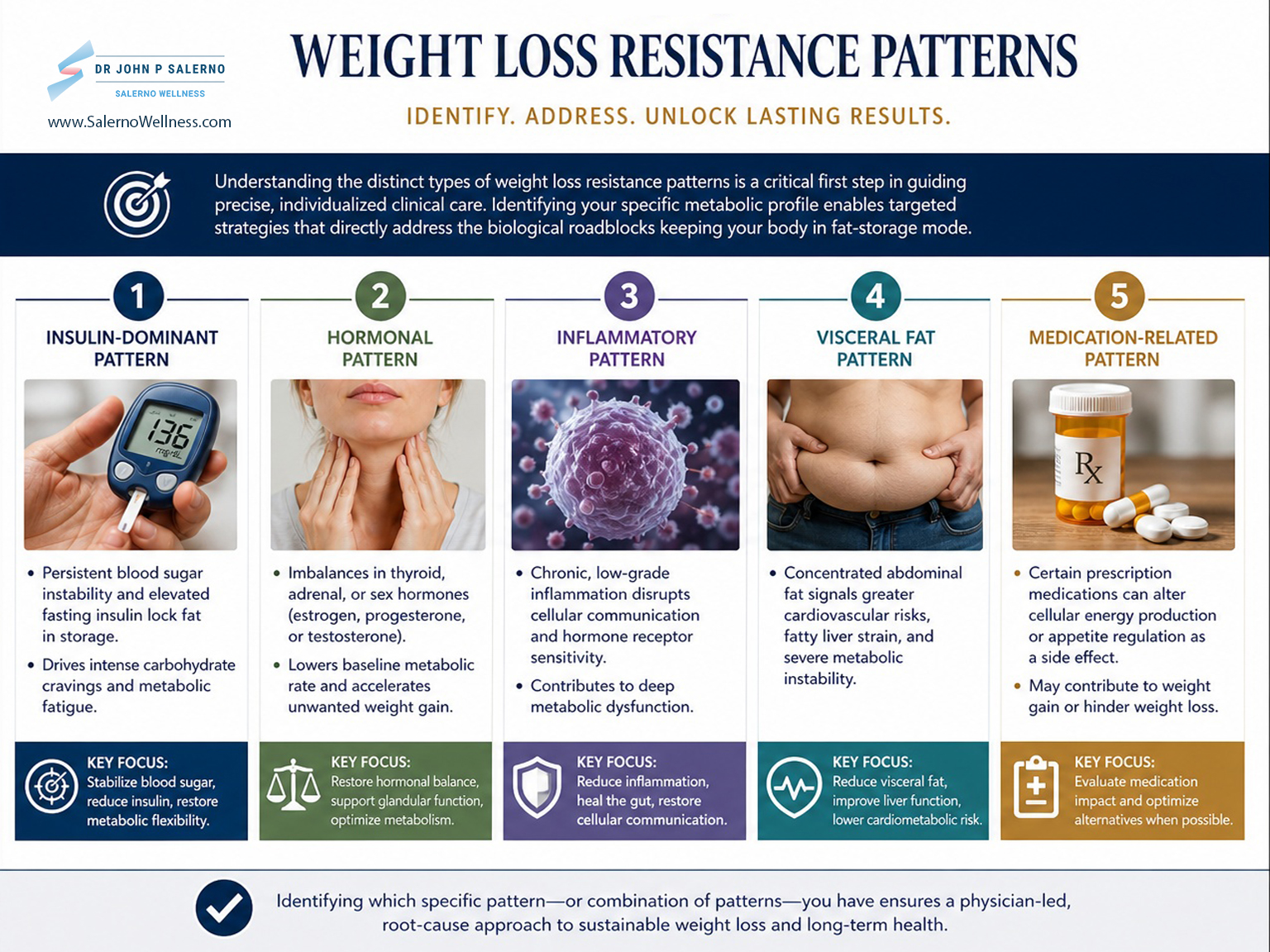
Types of Weight Loss Resistance Patterns
Understanding the distinct types of weight loss resistance patterns is a critical first step in guiding precise, individualized clinical care. Instead of applying a broad, one-size-fits-all diet, identifying your specific metabolic profile enables targeted strategies that directly address the biological roadblocks keeping your body in fat-storage mode. An insulin-dominant pattern is one of the most frequent barriers, where persistent blood sugar instability and elevated fasting insulin levels actively lock fat in storage, driving intense carbohydrate cravings and metabolic fatigue. Similarly, a hormonal pattern involves underlying imbalances within the thyroid, adrenal glands, or sex hormones (such as estrogen, progesterone, or testosterone), which significantly lower baseline metabolic rate and accelerate unwanted weight gain.
Other distinct patterns require specialized cellular and medical interventions to unblock stalled metabolic function. An inflammatory pattern occurs when chronic, low-grade systemic inflammation disrupts normal cellular communication and hormone receptor sensitivity, contributing to deep metabolic dysfunction. A visceral fat pattern presents as concentrated abdominal weight accumulation, signaling greater cardiovascular risks, fatty liver strain, and severe metabolic instability. Finally, a medication-related pattern develops when certain necessary prescription drugs alter cellular energy production or appetite regulation as a side effect. Identifying which specific pattern—or combination of patterns—you have ensures a physician-led, root-cause approach to sustainable weight loss and long-term health.
Clinically Relevant Modalities for Weight‑Loss Resistance
Weight‑loss resistance responds best to a treatment plan that addresses metabolic imbalance, hormonal dysfunction, inflammation, and detoxification efficiency. Each modality below supports a different physiological pathway involved in weight‑loss plateaus and long‑term metabolic recovery. By combining targeted therapies with comprehensive diagnostic testing, Dr. Salerno can treat the underlying contributors to weight‑loss resistance rather than focusing on surface‑level symptoms. These modalities are selected based on laboratory findings, metabolic patterns, and the specific drivers affecting each patient's weight and health. Together, they help improve blood sugar regulation, reduce inflammation, support hormonal balance, and enhance metabolic resilience.
- IV Nutrient Therapy – Provides concentrated micronutrients and antioxidants that support metabolic repair and cellular energy production. This therapy helps replenish depleted nutrient stores, improve mitochondrial function, and reduce oxidative stress that contributes to weight‑loss resistance.
- Chelation Therapy – Assists in removing heavy metals and environmental toxins that may interfere with metabolic pathways. Chelation can help reduce inflammatory load, improve detoxification efficiency, and support healthier metabolic function when toxin exposure is identified.
- Bioidentical Hormone Replacement Therapy – Restores hormonal balance in patients with thyroid, adrenal, or sex hormone irregularities that contribute to weight‑loss resistance. Optimizing hormone levels helps improve metabolic rate, reduce fat storage, and stabilize energy production.
- Peptide Therapy – Utilizes targeted peptides to enhance metabolic signaling, reduce inflammation, and support tissue recovery. Certain peptides help improve insulin sensitivity and promote healthier fat metabolism, making them valuable in weight‑loss resistance treatment plans.
- GLP‑1 Therapy – Supports blood sugar regulation, appetite control, and weight reduction — three essential components in overcoming weight‑loss resistance. GLP‑1 therapy helps stabilize blood sugar, reduce cravings, and promote sustainable metabolic changes.
- Longevity Medicine – Focuses on cellular health, detoxification efficiency, and long‑term metabolic optimization. This approach integrates nutritional strategies, advanced diagnostics, and targeted supplementation to support metabolic resilience and reduce chronic inflammation.
- Red Light Therapy – Uses targeted wavelengths to reduce inflammation and support cellular energy production. This therapy may help decrease oxidative stress and improve metabolic stability in patients with chronic inflammatory patterns.
- Stem Cell Therapy – Provides regenerative support for patients with advanced inflammatory or metabolic changes. Stem cells may help promote tissue repair, reduce inflammatory signaling, and support long‑term metabolic function when conventional approaches are insufficient.
These modalities allow Dr. Salerno to create treatment plans that address weight‑loss resistance from multiple angles, including insulin regulation, hormonal balance, detoxification support, and inflammation reduction. By tailoring each therapy to the patient's diagnostic profile, he can target the specific factors contributing to stalled progress and guide patients toward measurable improvements in metabolic markers, weight, and overall wellness. This integrative approach supports long‑term recovery, improved energy, and more stable metabolic function for individuals in New York City and Connecticut.
Possible Side Effects of Treatment
Some individuals may experience temporary digestive changes as they begin nutritional protocols. Others may notice mild fatigue as metabolic systems adjust. IV nutrient therapy may cause minor soreness at the injection site. Diet or lifestyle adjustments may take time to integrate. Most side effects are mild and improve as treatment progresses. Regular monitoring helps ensure safe, effective care. Long‑term treatment is generally well tolerated and supports improved metabolic stability.
What Can Happen if Weight Loss Resistance Is Left Untreated
Untreated weight loss resistance can lead to significant long‑term complications. Insulin resistance may progress to prediabetes or diabetes. Chronic inflammation may increase cardiovascular risk. Elevated triglycerides may worsen liver health. Hormonal imbalance may intensify, affecting energy, weight, and mood. Long‑term metabolic instability may increase the risk of heart disease or stroke. Early treatment helps prevent these complications and supports improved metabolic health.
Patient Case Study
James, a 44‑year‑old patient, came to my office after years of stalled weight loss, fatigue, and cravings. Routine bloodwork revealed abnormal triglycerides and fasting glucose, suggesting metabolic dysfunction. During his evaluation, we discovered insulin resistance, nutrient deficiencies, and underlying inflammation. Further testing revealed thyroid imbalance and toxin‑related metabolic stress. We began a treatment plan that included GLP‑1 therapy, IV nutrient support, targeted nutritional protocols, and hormone optimization.
Within weeks, his energy improved, and his cravings stabilized. Over the next several months, his metabolic markers normalized, and he lost significant weight. Today, James maintains balanced health with ongoing monitoring. His case highlights the importance of comprehensive evaluation and integrative care for weight‑loss resistance.
Why Patients Choose Dr. John Salerno for Integrative Weight Management
Patients trust Dr. John Salerno because he brings over 30 years of medical experience, combining traditional family practice with pioneering functional and integrative methodologies. Rather than offering superficial, short-term solutions, he utilizes advanced diagnostic testing to identify the underlying biological root causes of weight gain, such as metabolic dysfunction or hormonal imbalances. Individuals appreciate his physician-led, customized treatment plans that integrate modalities like GLP-1 therapy, targeted nutrition, IV therapy, and lifestyle guidance.
Dr. Salerno’s background as a Board-Certified Family Physician and former mentor at the Yale University School of Medicine instills confidence in his clinical rigor. Patients value his patient-centered approach, where he takes time to educate them and explain complex health concepts clearly. Ultimately, people trust his practice across New York City and Connecticut because it delivers sustainable, long-term health improvements that extend far beyond simple weight reduction.
Resistant Weight Loss FAQs
How does Dr. Salerno adjust weight loss protocols for patients with autoimmune conditions or chronic systemic inflammation?
For patients with autoimmune markers, standard weight-loss interventions can trigger immune flares if not carefully calibrated. Dr. Salerno uses specialized functional diagnostics to screen for food sensitivities, gut permeability, and inflammatory cytokines, ensuring that your customized nutrition and peptide protocols reduce systemic stress rather than overstimulating the immune system.
What targeted functional testing is performed to rule out heavy metal toxicity or hidden environmental disruptors?
To uncover hidden metabolic blockers, Dr. Salerno uses advanced diagnostic testing, including heavy metal provocation panels, micronutrient evaluations, and comprehensive stool analyses. If environmental toxins or heavy metals impair mitochondrial energy production, we integrate therapies like clinical Chelation and targeted detox protocols directly into your care plan.
How are muscle mass and metabolic rate protected during rapid weight loss on GLP-1 or peptide therapies?
Preserving lean body mass is critical to prevent metabolic slowdown and rebound weight gain during rapid weight loss. Dr. Salerno combines precision prescription protocols with targeted IV Nutrient Therapy, high-bioavailability amino acid supplementation, and routine body composition tracking to protect skeletal muscle and support long-term metabolic vitality.
Can patients in Manhattan or Connecticut use out-of-network insurance benefits for their diagnostic evaluations?
While specialized functional testing and holistic medical consultations are direct-pay services, Salerno Wellness provides detailed, itemized superbills with standard CPT and ICD-10 codes for private insurance plans with out-of-network benefits. Additionally, Dr. Salerno is in-network with select insurance programs (such as Medicare Part B in New York) for eligible medical services.
How does Dr. Salerno approach long-term weight maintenance after initial target goals are achieved?
Achieving target weight is only the first phase; maintaining metabolic flexibility requires a structured exit strategy. Dr. Salerno creates a personalized long-term maintenance protocol that gradually scales back medical modalities while stabilizing hormone baseline levels, optimizing mitochondrial health, and establishing permanent lifestyle habits.

Contact Dr. John Salerno for Physician-Led Weight Loss in NYC and CT
Dr. John Salerno evaluates weight loss resistance through a precise functional medicine framework, identifying the precise metabolic, hormonal, and cellular disruptions that generic diet programs overlook. By identifying individual drivers such as insulin resistance, systemic inflammation, thyroid shifts, and visceral fat storage, his practice provides a truly individualized treatment strategy. Patients receive physician-led care that blends advanced modalities—including GLP-1 therapies, Bioidentical Hormone Replacement, and IV nutrient protocols—to safely restore metabolic resilience.
This comprehensive approach goes far beyond quick fixes, equipping patients across New York City and Connecticut with the tools needed for long-term health and sustainable results.
Take control of your health and break through stubborn weight-loss resistance with a physician-led, root-cause approach. Contact Salerno Wellness today to schedule your personalized consultation with Dr. John Salerno and begin your journey toward lasting metabolic vitality.
Please contact us today.
Additional References
- Investigating weight loss resistance across the menopausal transition: a preliminary quantitative survey of resistance-trained women - National Library of Medicine
- Weight loss and Women - Office on Women's Health