
Cognitive Function Treatments NYC - Dr. John Salerno

Integrative, Functional, and Complementary Treatments for Cognitive Function Decline by Salerno Wellness in Manhattan, NY, and Connecticut
"I have dedicated my career to functional and integrative medicine because I believe the body has a remarkable capacity to heal when we identify and address the true root causes of illness. Cognitive decline is one of the most deeply personal challenges my patients face. It touches not only their memory and mental clarity, but their sense of self, their independence, and their relationships with the people they love most. I warmly invite you to explore the personalized, root-cause approach we offer at Salerno Wellness in Manhattan, NY, and Connecticut, where every patient receives the thorough attention and individualized care they deserve."
-Dr. John Salerno
What Is Cognitive Function Decline?
Cognitive function decline refers to a measurable reduction in one or more mental abilities — including memory, reasoning, attention, and language — that goes beyond what is expected from normal aging. While it is natural for processing speed to slow somewhat with age, cognitive decline involves changes significant enough to affect daily functioning and quality of life. In the United States, an estimated 6.7 million people over the age of 65 are currently living with Alzheimer's disease alone, and tens of millions more experience some degree of cognitive impairment.
The hippocampus, which governs memory formation, and the prefrontal cortex, which manages planning and decision-making, are among the brain regions most vulnerable to early decline. Neuroinflammation — or chronic, low-grade inflammation in the brain — and oxidative stress, which damages brain cells over time, are among the most well-studied biological drivers of this process. Cognitive decline often begins as Mild Cognitive Impairment (MCI), a transitional stage where changes are noticeable but do not yet significantly interfere with daily life, and may progress to more serious conditions such as dementia if left unaddressed.
Early intervention is critical because the brain retains some plasticity, meaning it can respond positively to targeted treatments when introduced before substantial damage has accumulated. Integrative medicine is uniquely positioned to address cognitive decline at its root by identifying and correcting the underlying imbalances — hormonal, nutritional, environmental, and metabolic — that drive deterioration.
Common Symptoms of Cognitive Function Decline
The symptoms of cognitive function decline vary considerably from person to person and tend to become more pronounced as the condition progresses from mild to more advanced stages. Recognizing these signs early gives patients and caregivers the best opportunity to seek evaluation and begin an effective treatment plan.
- Memory lapses: Frequent forgetting of recently learned information, names, appointments, or conversations that goes beyond ordinary absent-mindedness.
- Difficulty concentrating: An inability to sustain focus on tasks, conversations, or reading material, often resulting in needing to re-read or re-listen repeatedly.
- Slowed processing speed: Taking noticeably longer than before to understand information, respond to questions, or complete familiar tasks.
- Word-finding difficulties: Pausing mid-sentence to search for common words or substituting incorrect words, making verbal communication less fluent and frustrating.
- Disorientation or confusion: Becoming confused about dates, locations, or the sequence of recent events, sometimes in familiar environments.
- Mood and personality changes: Experiencing increased irritability, anxiety, apathy, or uncharacteristic emotional outbursts that differ from one's baseline temperament.
- Poor executive function: Struggling to plan, organize, problem-solve, or follow multi-step instructions that were previously manageable.
- Sleep disturbances: Disrupted sleep patterns, including insomnia or excessive daytime drowsiness, which further impair memory consolidation and mental clarity.
Common Causes of Cognitive Function Decline
Cognitive function decline is rarely caused by a single factor. In most cases, it develops as a result of several overlapping conditions that quietly build over time — many of which are identifiable through advanced lab testing and entirely addressable with the right treatment plan. Understanding the root causes is the first step toward protecting and restoring brain health.
- Chronic neuroinflammation — persistent, low-grade inflammation within brain tissue — is one of the most significant drivers of cognitive decline, as it disrupts neuronal communication and accelerates cell damage over time.
- Nutritional deficiencies, particularly in vitamin B12, omega-3 fatty acids, and magnesium, impair nerve function, reduce brain volume, and compromise the production of essential neurotransmitters.
- Hormonal imbalances involving the thyroid, testosterone, and estrogen can profoundly affect memory and mood, since these hormones play direct roles in brain cell maintenance and cognitive performance.
- Heavy metal toxicity from exposure to mercury, lead, or aluminum has been linked to neurological damage and is an often-overlooked contributor to cognitive symptoms.
- Poor sleep quality and conditions such as obstructive sleep apnea deprive the brain of the nightly restoration it needs to clear metabolic waste and consolidate memories.
- Chronic stress and elevated cortisol levels are particularly damaging to the hippocampus, shrinking this critical memory center and raising the risk of long-term decline.
- Cardiovascular risk factors — including high blood pressure and type 2 diabetes — reduce cerebral blood flow and oxygen delivery, starving the brain of the resources it needs to function well.
- Genetic predisposition, particularly the presence of the APOE-e4 gene variant, significantly raises an individual's lifetime risk of developing Alzheimer's-related cognitive decline, although genetics alone does not determine outcome.
The encouraging news is that many of these causes are not permanent. With the right diagnostic workup and a personalized treatment plan, Dr. Salerno can identify the factors at play for each patient and address them directly. Early identification of these contributors — before significant damage occurs — offers the greatest opportunity to slow, stop, or even reverse cognitive decline.
Types of Cognitive Function Decline
Cognitive function decline is not a single, uniform condition — it encompasses a range of presentations that differ in cause, progression, and clinical features. Understanding which type of decline a patient is experiencing is essential for designing the most effective treatment approach.

Age-Associated Memory Impairment (AAMI)
Age-Associated Memory Impairment refers to the mild, gradual memory changes that occur as a natural part of growing older. Individuals with AAMI may notice they take longer to learn new information or recall names, but these changes do not significantly interfere with daily life. AAMI is considered a benign condition distinct from dementia, though it is important not to dismiss it without proper evaluation. It differs from MCI in that individuals with AAMI perform within normal limits for their age group on cognitive testing.
However, AAMI can be a signal that underlying factors — such as nutritional deficiencies or hormonal changes — warrant attention. Addressing these contributors early can help preserve cognitive reserve and slow any further decline.

Alzheimer's-Related Cognitive Decline
Alzheimer's disease is the most common cause of dementia, accounting for an estimated 60 to 80 percent of all dementia cases in the United States. It is characterized by the accumulation of amyloid plaques and tau tangles in the brain, which progressively disrupt neural communication and lead to cell death. Early-stage Alzheimer's-related decline typically presents with short-term memory loss, difficulty with familiar tasks, and subtle personality changes.
As the condition advances, language, spatial awareness, and the ability to recognize loved ones become increasingly affected. Alzheimer's-related decline differs from VCI in its underlying biology and from MCI in its severity and trajectory, though the two can coexist. Integrative medicine approaches targeting inflammation, metabolic dysfunction, and hormonal balance offer promising supportive strategies alongside conventional management.
Frontotemporal Dementia (FTD)
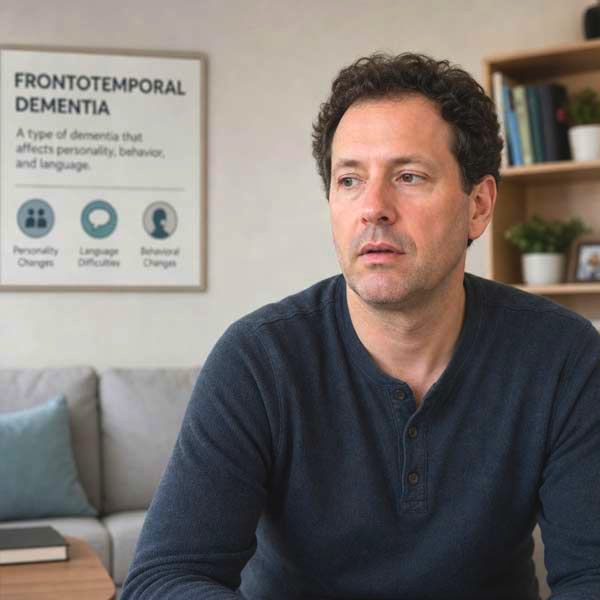
Frontotemporal dementia is a group of brain disorders caused by progressive damage to the frontal and temporal lobes, the regions that govern personality, behavior, judgment, and language. It is one of the most common forms of early-onset dementia, frequently affecting individuals between the ages of 45 and 65 — a population that is often still working and raising families.
Unlike Alzheimer's disease, memory often remains relatively preserved in the early stages of FTD, which can make the condition harder to recognize. Instead, the earliest signs typically involve dramatic shifts in personality, impulsive or socially inappropriate behavior, emotional blunting, or a loss of empathy. A language-predominant variant of FTD — known as primary progressive aphasia — causes a progressive loss of the ability to speak, read, write, or understand words.
Diagnosis is frequently delayed by years because behavioral symptoms are often misattributed to depression, stress, or midlife psychiatric disorders. FTD tends to progress more rapidly than Alzheimer's disease, and there are currently no FDA-approved medications specifically designed to slow its progression. Comprehensive lab evaluation and lifestyle intervention may help manage contributing factors such as neuroinflammation, nutritional deficiencies, and oxidative stress.

Lewy Body Dementia
Lewy body dementia is caused by abnormal deposits of a protein called alpha-synuclein that accumulate inside brain cells, gradually disrupting normal function. It is the second most common form of progressive dementia after Alzheimer's disease and affects an estimated 1.4 million Americans. The condition is uniquely characterized by visual hallucinations, dramatic fluctuations in alertness and attention, and movement symptoms that closely resemble Parkinson's disease.
Unlike Alzheimer's, memory may be less affected in the early stages, while confusion, sleep disturbances, and vivid dreams tend to appear first. Many patients with Lewy body dementia are highly sensitive to certain antipsychotic medications, making careful medical management essential. Diagnosis is often delayed because its symptoms overlap with both Alzheimer's disease and Parkinson's disease, creating significant diagnostic challenges for conventional physicians.
The condition tends to progress unpredictably, with periods of relative stability followed by sudden declines in cognitive and physical function. An integrative approach that addresses inflammation, sleep quality, and neurotransmitter balance may help support overall brain resilience in affected patients.

Mild Cognitive Impairment (MCI)
A stage of cognitive change that is greater than expected for a person's age but does not yet meet the criteria for dementia. People with MCI often notice problems with memory, language, or judgment that family members or close friends also recognize. While daily functioning is largely preserved, the condition signals heightened risk — approximately 10 to 15 percent of people with MCI progress to dementia each year.
MCI is distinct from AAMI in that the deficits are measurable on standardized neuropsychological testing and go beyond what is considered age-normal. It differs from dementia in that independence in daily activities is generally maintained. MCI is the stage at which integrative intervention can have the greatest impact, making early diagnosis critically important.

Mixed Dementia
Mixed dementia is a condition in which a person has more than one type of dementia occurring simultaneously in the brain, most commonly a combination of Alzheimer's disease and vascular cognitive impairment. Studies suggest that mixed dementia may be far more prevalent than previously recognized, with some research indicating it accounts for a significant proportion of dementia cases in older adults. Because two distinct disease processes are at work simultaneously, symptoms can be more varied and may progress more rapidly than with either condition alone.
Diagnosis is particularly challenging because overlapping presentations make it difficult to determine which pathology drives which symptom. Risk factors for mixed dementia include high blood pressure, diabetes, high cholesterol, a history of stroke or mini-strokes, and the genetic variant APOE-e4. The presence of cardiovascular risk factors alongside amyloid plaque buildup means that treatment must address both vascular health and neurodegeneration simultaneously.
Conventional medicine often struggles to treat mixed dementia effectively because standard protocols tend to focus on a single diagnosis at a time. An integrative approach that targets cardiovascular health, inflammation, metabolic function, and neuroprotection together is especially well-suited for patients with this complex condition.

Parkinson's Disease Dementia
Parkinson's disease dementia develops in a significant portion of individuals who have been living with Parkinson's disease for many years, typically emerging a decade or more after motor symptoms first appear. It occurs as the abnormal protein deposits characteristic of Parkinson's disease spread from the brain's movement centers into regions responsible for memory, attention, and executive function.
Key symptoms include slowed thinking, difficulty concentrating, memory lapses, visual hallucinations, and challenges with problem-solving and planning. The cognitive symptoms of Parkinson's disease dementia often add a significant burden on top of already challenging motor symptoms such as tremors, rigidity, and balance difficulties. While it shares features with Lewy body dementia, the critical distinction is timing — in Parkinson's disease dementia, cognitive decline emerges well after motor symptoms, whereas in Lewy body dementia, they tend to appear within a closer timeframe.
The progression of cognitive decline in Parkinson's is variable and influenced by age, overall health, and the degree of neuroinflammation present. Conventional treatment options are limited and primarily focus on symptom management rather than slowing underlying disease progression. Integrative strategies aimed at reducing neuroinflammation, optimizing mitochondrial function, and supporting neurotransmitter health may offer meaningful supportive benefits for these patients.

Subjective Cognitive Decline (SCD)
Subjective cognitive decline refers to a self-reported perception that one's memory, thinking speed, or mental sharpness has worsened, even when formal cognitive testing falls within the normal range. It is considered one of the earliest stages of cognitive change and is increasingly recognized by researchers as a meaningful warning signal warranting clinical attention. Studies have shown that individuals who report subjective cognitive decline are at a statistically higher risk of progressing to mild cognitive impairment or dementia over time compared to those who do not.
Despite normal test results, patients with SCD often describe frustrating experiences such as forgetting names, losing their train of thought mid-conversation, or feeling mentally slower than they used to. These changes, though subtle, can significantly impact confidence, professional performance, and overall quality of life. Because standard cognitive screening tools may not yet detect any measurable deficit, patients with SCD are frequently dismissed in conventional medical settings and left without answers or support.
This is where Dr. Salerno's comprehensive diagnostic approach offers distinct value — advanced testing can often reveal early metabolic, hormonal, or inflammatory imbalances that standard cognitive tests may miss. Identifying and addressing these underlying contributors at the SCD stage represents the greatest window of opportunity to protect brain health before measurable decline begins.

Vascular Cognitive Impairment
Vascular Cognitive Impairment (VCI) arises from reduced blood flow to the brain, often due to stroke, small-vessel disease, or chronic cardiovascular conditions. Unlike Alzheimer's disease, VCI tends to cause more pronounced difficulties with processing speed, attention, and executive function than with memory in the early stages. It often progresses in a stepwise pattern — with noticeable declines following vascular events — rather than the gradual, continuous decline seen in Alzheimer's.
VCI is closely tied to modifiable cardiovascular risk factors such as high blood pressure, diabetes, and smoking, making lifestyle intervention especially relevant. Brain imaging frequently reveals white matter changes or evidence of prior small strokes in affected individuals. Addressing vascular health through nutrition, blood pressure management, and improved circulation is central to slowing this type of decline.
Related Medical Conditions
Cognitive decline rarely develops in isolation — it is frequently intertwined with other systemic conditions that either contribute to its onset or worsen its progression. Identifying and treating these related conditions is a central part of the integrative approach at Salerno Wellness.
- Hypothyroidism: An underactive thyroid reduces levels of hormones essential for brain metabolism, leading to brain fog, memory problems, and slowed thinking that can closely mimic cognitive decline.
- Type 2 diabetes: Chronically elevated blood sugar damages blood vessels and nerves throughout the body, including the brain, and is associated with a significantly increased risk of both vascular dementia and Alzheimer's disease.
- Depression: Depression and cognitive decline share overlapping neurobiological pathways, and prolonged depression can itself cause structural changes in the brain that impair memory and concentration.
- Obstructive sleep apnea: Repeated nighttime oxygen deprivation from sleep apnea prevents the brain from completing its nightly waste-clearance cycle, accelerating the accumulation of the toxic proteins linked to Alzheimer's disease.
- Cardiovascular disease: Reduced cardiac output and arterial stiffness limit the delivery of oxygen and nutrients to brain tissue, making cardiovascular health inseparable from long-term cognitive vitality.
- Lyme disease: Neurological Lyme disease can cause significant cognitive symptoms — including memory loss, confusion, and difficulty concentrating — that are often misattributed to aging or other conditions.
- Autoimmune encephalopathy: In this condition, the immune system mistakenly attacks brain tissue, producing a range of cognitive and psychiatric symptoms that may be reversible with prompt and accurate treatment.
Candidates for Treatment
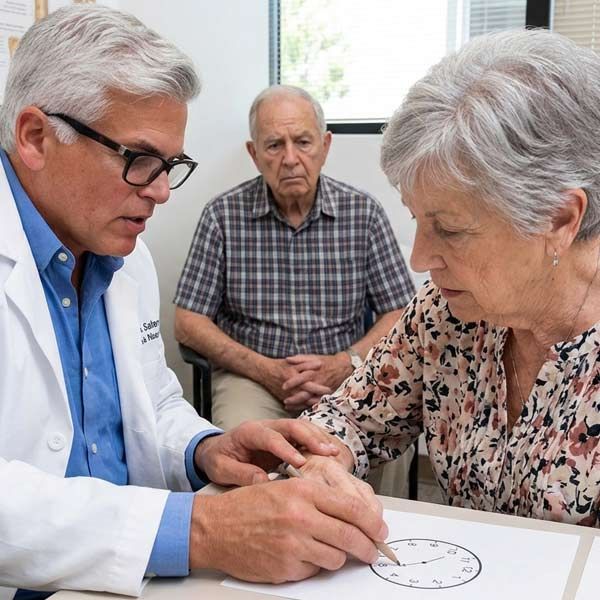
Patients who notice early changes in their memory — such as forgetting names, losing track of conversations, or feeling mentally slower than they once were — are among the most important candidates for evaluation at Salerno Wellness.
Individuals with a family history of dementia or Alzheimer's disease are encouraged to seek assessment proactively, even before symptoms become significant, as early intervention offers the greatest protective benefit. Those who carry multiple risk factors — including
hormonal imbalances, nutritional deficiencies, sleep disorders, or cardiovascular conditions — are particularly well suited to the comprehensive, root-cause evaluation Dr. Salerno provides.
Patients struggling with persistent brain fog, poor concentration, or mental fatigue that affects their work or personal life are candidates for treatment even when standard medical testing has returned normal results. Individuals who have tried conventional approaches without satisfactory improvement often find that integrative medicine uncovers previously overlooked contributing factors.
Dr. Salerno also welcomes patients who are motivated primarily by prevention — those who are currently cognitively healthy but want to protect their brain function for decades to come. Adults of any age who notice a meaningful shift in how their minds function are encouraged to come in for an evaluation, as cognitive decline does not affect only older individuals. Dr. Salerno conducts a thorough intake evaluation for every patient, reviewing medical history, lifestyle factors, symptoms, and prior test results before recommending any diagnostic or treatment pathway.
How Conventional Medicine Treats Cognitive Function Decline
Conventional medicine primarily manages cognitive decline through two classes of medications: acetylcholinesterase inhibitors, such as donepezil, which slow the breakdown of a neurotransmitter important for memory, and NMDA receptor antagonists, such as memantine, which regulate glutamate activity to reduce further neurological damage. These medications can offer modest symptomatic relief for some patients, but they do not address or reverse the underlying biological processes driving the decline.
Current pharmaceuticals are generally more effective at slowing progression in moderate-to-severe dementia than at restoring function in early-stage impairment. Many patients and families find that the benefits are limited, temporary, or accompanied by side effects including nausea, dizziness, and sleep disruption. Because conventional approaches focus primarily on symptom management rather than identifying root causes — such as nutrient deficiencies, hormone dysregulation, toxin exposure, or metabolic dysfunction — a growing number of patients seek integrative alternatives that address the full picture of their health.
How Dr. John Salerno Treats Cognitive Function Decline
Dr. Salerno begins every cognitive health evaluation with comprehensive laboratory testing designed to uncover the specific biological factors contributing to each patient's decline, including a full hormone panel, heavy metal testing, micronutrient analysis, inflammatory markers, and APOE genotyping. This level of diagnostic precision allows Dr. Salerno to build a truly personalized treatment plan rather than applying a one-size-fits-all protocol.
- For patients with identified nutritional deficiencies or high oxidative stress, IV nutrient therapy — including high-dose vitamin C, glutathione, B-complex vitamins, and NAD+ — delivers therapeutic concentrations of brain-supporting nutrients directly into the bloodstream for maximum absorption.
- When hormonal imbalances are detected, Dr. Salerno may use bioidentical hormone replacement therapy (BHRT) to carefully restore optimal levels of estrogen, testosterone, and thyroid hormone, all of which play essential roles in maintaining healthy brain tissue and cognitive clarity.
- Personalized anti-inflammatory nutrition plans — drawing from Mediterranean-style eating and, when appropriate, ketogenic protocols — are used to reduce neuroinflammation and provide the brain with a clean, efficient fuel source.
- For patients with elevated heavy metal burdens, chelation therapy is used to safely remove these neurotoxic compounds from the body, eliminating a key driver of neurological damage.
- Hyperbaric oxygen therapy (HBOT) is offered to improve cerebral perfusion — flooding the brain with oxygen-rich blood to support healing and reduce cellular inflammation.
- Sleep optimization protocols are integrated into every cognitive health plan, since restorative sleep is non-negotiable for memory consolidation and the brain's natural detoxification process.
- Stress reduction strategies — including mindfulness practices and the use of adaptogenic herbs — help lower cortisol levels and protect the hippocampus from the structural damage caused by chronic stress.
Lifestyle coaching ensures that patients are supported in making sustainable changes to their daily habits, including physical activity and hydration, as well as reducing exposure to environmental toxins. Above all, Dr. Salerno treats each patient as a whole person, understanding that true brain health cannot be separated from the health of the body, the mind, and the life someone lives every day.
Possible Treatment Side Effects
Most patients tolerate Dr. Salerno's integrative treatments well. However, it is important to be aware of the mild, temporary effects that can arise as the body begins to respond to treatment. During heavy metal chelation therapy, some patients experience mild detox symptoms — such as fatigue, headache, or mild gastrointestinal discomfort — as the body mobilizes and eliminates stored toxins. Intravenous nutrient therapy may occasionally cause temporary fatigue or a brief sensation of warmth during or after infusion, though these effects typically resolve quickly.
Patients beginning bioidentical hormone replacement therapy may go through an adjustment period of several weeks as the body acclimates to restored hormone levels, with some noticing transient mood shifts or mild fluid retention. Introducing new supplements to the regimen can cause digestive changes in some patients, particularly when starting higher doses of fish oil, phosphatidylserine, or herbal compounds such as lion's mane. Medical supervision throughout the treatment process is essential, and Dr. Salerno closely monitors each patient's laboratory values, symptoms, and overall response to therapy to catch any adverse effects early and adjust the protocol accordingly.
What Can Happen If Cognitive Decline Goes Untreated
When cognitive decline is left unaddressed, MCI can progress to full dementia — a condition that robs individuals of their memories, their personalities, and ultimately their ability to care for themselves. As the condition advances, many patients lose the independence that defines their daily life, becoming unable to drive, manage finances, cook, or live safely on their own. The impact on close relationships and family is profound, as loved ones watch a person they know change in ways that can feel like a gradual goodbye.
Cognitive decline significantly raises the risk of falls and accidents, as impaired judgment, reduced spatial awareness, and slower reaction times make navigating the physical world increasingly dangerous. Financial and legal decision-making becomes compromised, leaving vulnerable individuals susceptible to mistakes, exploitation, or an inability to manage important affairs.
Social withdrawal and depression are common companions to untreated cognitive decline, as patients become aware of their limitations and begin to pull back from activities and relationships they once enjoyed. The burden placed on family caregivers is enormous — emotionally, physically, and financially — and grows heavier with every stage of progression. There is a real and meaningful window of opportunity for intervention, particularly in the early stages of decline, and acting within that window can make the difference between recovery and irreversible loss.
Patient Case Study
Margaret, a 61-year-old patient, came to Salerno Wellness after years of progressive brain fog, frequent word-finding difficulties, and an increasing inability to retain new information — changes that had begun to affect her performance at work and her confidence in social settings. She had visited two other physicians who told her that her test results were "within normal limits," yet she knew something was wrong and felt her concerns had not been fully heard.
Dr. Salerno ordered a comprehensive panel that revealed low vitamin B12, elevated urinary heavy metals including mercury, suboptimal thyroid function, and significantly elevated cortisol — a hormonal stress pattern consistent with chronic HPA axis dysregulation. Her APOE genotyping also identified a single copy of the APOE-e4 allele, raising her lifetime risk for Alzheimer's-related decline and underscoring the importance of early, proactive intervention.
Dr. Salerno developed a personalized treatment plan that included weekly IV NAD+ infusions to support mitochondrial function and neuronal repair, BHRT to restore thyroid and estrogen to optimal ranges, and a structured chelation protocol to address her mercury burden. She was also placed on a Mediterranean-style anti-inflammatory nutrition plan and a targeted supplement regimen, including phosphatidylserine, alpha-lipoic acid, and lion's mane mushroom, alongside a sleep optimization protocol and stress-reduction support using adaptogenic herbs.
At her three-month follow-up, Margaret reported noticeably improved mental clarity, significantly reduced brain fog, and a return of the verbal fluency she had thought was simply lost to aging. By six months, her follow-up lab work showed normalized B12 and thyroid levels, a measurable reduction in urinary heavy metals, and improved inflammatory markers — results that reflected the biological improvements she was already feeling. Her memory had sharpened, her energy levels had returned, and she had resumed the book club, volunteer work, and travel planning she had quietly stepped back from over the previous two years. Her mood had lifted considerably, and her husband told Dr. Salerno she seemed like herself again for the first time in years.
Margaret continues to receive quarterly maintenance care at Salerno Wellness, including periodic lab monitoring and IV nutrient support, to protect the progress she has made. She has expressed deep gratitude for finally receiving the thorough, individualized attention that helped her reclaim not only her cognitive health but also her sense of identity and purpose.
Why Patients Choose Dr. John Salerno
Dr. John Salerno brings decades of experience in integrative and functional medicine to every patient encounter, offering a level of clinical depth that sets Salerno Wellness apart from conventional practices. He trained under the legendary Dr. Robert Atkins — a pioneer of nutritional medicine — and carried forward that tradition of questioning standard assumptions and looking beyond surface-level diagnoses to find real answers.
Dr. Salerno's whole-person philosophy means that no symptom is treated in isolation; he examines the biological, hormonal, nutritional, and lifestyle factors that together shape a patient's cognitive health. His practice employs advanced diagnostic tools — including APOE genotyping, micronutrient analysis, heavy metal testing, and comprehensive hormone panels — that are not available in most conventional clinical settings.
Every treatment plan at Salerno Wellness is built from the ground up for that individual patient, informed by their unique lab results, medical history, and personal health goals. With locations in Manhattan, NY, and Connecticut, Dr. Salerno serves patients across the greater New York and Connecticut region, making world-class integrative cognitive care accessible to a broad community. Patients consistently describe his bedside manner as warm, attentive, and genuinely respectful — they feel listened to, often for the first time in their medical journey.
His track record of helping patients slow, halt, and in some cases meaningfully reverse the trajectory of cognitive decline has made Dr. Salerno a trusted name for those who refuse to accept that diminishing mental clarity is simply inevitable.
Cognitive Decline Treatment FAQs
Can cognitive decline actually be reversed, or is the damage permanent?
The answer depends heavily on what is driving the decline. When cognitive symptoms stem from correctable root causes — such as hormone imbalances, heavy metal accumulation, nutritional deficiencies, or chronic inflammation — meaningful reversal is possible, not just slowing. Research has shown that the brain retains a degree of neuroplasticity well into later life, meaning it can form new connections and recover function when the underlying stressors are removed, and the right nutrients and therapies are introduced.
Full reversal is most achievable in earlier stages such as subjective cognitive decline or mild cognitive impairment. In more advanced stages, the realistic goal shifts toward slowing progression and preserving quality of life — but even then, patients often report significant improvements in clarity, mood, and daily function with the right integrative support.
My cognitive tests came back normal, but I know something has changed. Should I be concerned?
Yes — and that instinct deserves to be taken seriously rather than dismissed. Standard cognitive screening tools such as the MMSE or MoCA are designed to detect moderate-to-significant impairment and frequently miss the very early changes that patients experience as brain fog, word-finding difficulty, or slowed thinking. This gap is recognized in medicine as subjective cognitive decline, and studies show that people who report these changes — even with normal test scores — are at a measurably higher risk of progressing to MCI or dementia over time.
What standard tests cannot detect, advanced functional medicine labs often can: early inflammatory markers, hormonal shifts, micronutrient deficiencies, and toxin burden are all measurable long before a cognitive test reflects a problem. Seeking evaluation at this stage is actually the ideal time to intervene.
I carry the APOE-e4 gene. Does that mean dementia is inevitable for me?
No — and this is one of the most important misconceptions in brain health. Carrying one or two copies of the APOE-e4 gene variant does increase statistical risk for Alzheimer's-related cognitive decline, but it is not a deterministic sentence. Genetics loads the gun; lifestyle and environment pull the trigger. A significant body of research demonstrates that APOE-e4 carriers who maintain optimal metabolic health, low inflammation, balanced hormones, and strong cardiovascular fitness can substantially reduce or delay their risk.
In fact, some APOE-e4 carriers never develop dementia at all. Knowing you carry this variant is genuinely useful information — it creates a clear case for earlier and more proactive intervention rather than a reason for resignation. Dr. Salerno includes APOE genotyping in his diagnostic workup precisely so patients can use that information to act, not worry.
Could medications I am already taking be contributing to my cognitive symptoms?
This is an underappreciated but clinically significant possibility. A class of medications known as anticholinergics — which includes certain antihistamines, bladder medications, antidepressants, and sleep aids — has been linked in research to measurable cognitive impairment and, with long-term use, to an increased risk of dementia. Proton pump inhibitors (PPIs), commonly prescribed for acid reflux, have been associated with B12 depletion, which directly affects memory and nerve function.
Benzodiazepines, used for anxiety and sleep, are well documented to impair memory formation and processing speed. Statins, while cardiovascular protective, can reduce CoQ10 levels and in some patients produce noticeable cognitive side effects. This does not mean these medications should be stopped abruptly — but a thorough review of a patient's full medication list is a critical part of any comprehensive cognitive evaluation, and Dr. Salerno addresses it at the first consultation.
Why does cognitive decline seem to accelerate around menopause or andropause — and what can be done about it?
This connection is far more direct than most patients realize. Estrogen plays an active neuroprotective role in the brain — it supports blood flow, reduces amyloid plaque formation, promotes synaptic connectivity, and helps regulate the neurotransmitters involved in memory and mood. When estrogen drops sharply at menopause, the brain loses a significant layer of protection, which is why many women report a sudden onset of brain fog, word-finding difficulty, and memory lapses during this transition.
A similar process occurs in men during andropause as testosterone declines — testosterone also has direct neuroprotective effects and influences dopamine, motivation, and mental sharpness. The timing of hormonal intervention appears to matter considerably; research suggests that initiating bioidentical hormone replacement therapy closer to the onset of hormonal decline — rather than years later — offers the greatest cognitive benefit. This is a central component of Dr. Salerno's approach for both male and female patients presenting with cognitive concerns.

Contact Dr. John Salerno For A Consultation on Treating Cognitive Decline in NYC and Connecticut
Cognitive decline does not have to define your future — and at Salerno Wellness, patients discover that meaningful improvement is possible at any stage of the journey. Dr. Salerno and his team are ready to partner with you through a thorough, compassionate consultation at our Manhattan, NY, or Connecticut locations, designed to uncover the root causes behind your cognitive concerns.
Whether you are experiencing early memory changes, persistent brain fog, or want to take proactive steps to protect your mental sharpness, personalized care is available to you. Early intervention remains the single most powerful tool against cognitive decline, and the sooner the underlying contributors are identified and addressed, the greater the opportunity for lasting recovery.
Every patient who walks through the doors of Salerno Wellness is met with the kind of individualized attention that conventional medicine too rarely provides — you will not receive a generic plan, but a strategy tailored to your biology and your life. Dr. Salerno's commitment to restoring brain health goes beyond prescriptions and protocols; it extends to guiding patients toward a way of living that sustains cognitive vitality for years to come. Hope is not a passive feeling here — it is backed by advanced science, decades of clinical experience, and a genuine dedication to each person's well-being.
Schedule your consultation at Salerno Wellness today and take the first, most important step toward a sharper, clearer, more vibrant life.
Please contact us today.
Additional References
- Memory Problems, Forgetfulness, and Aging - National Institute on Aging
- What Really Happens to Our Memory as We Age - Stanford Medicine