When "It's Just Something You Ate" Stops Being a Good Explanation

Every holiday season, I see people dismiss digestive discomfort with a familiar explanation: “It must have been something I ate.” Sometimes they're right, but when bloating, reflux, abdominal pain, constipation, diarrhea, or other symptoms keep returning after different meals, the food itself may be only part of the story.
Holiday eating can put additional demands on the digestive system and make an existing problem much harder to overlook. If your symptoms keep coming back, I believe the better question is not just what you ate, but why your digestive system is struggling with it. This week, let's explore why your digestive system is having trouble handling food in the first place.
-Dr. John Salerno
Your Holiday Dinner May Be the Trigger, Not the Entire Cause
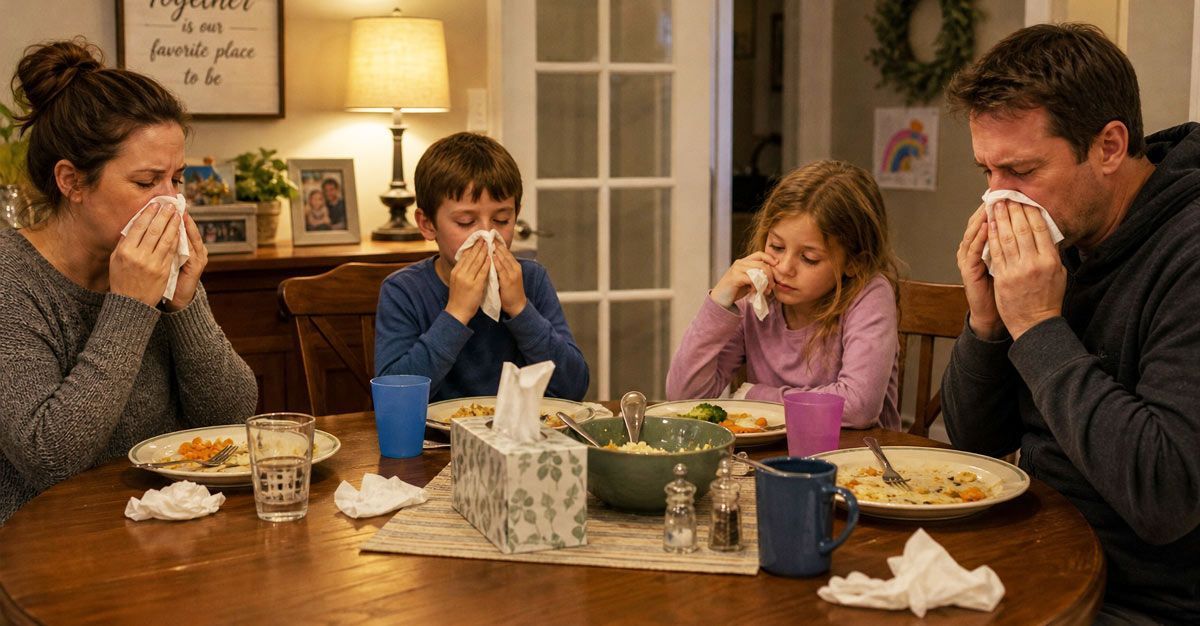
The holidays can challenge even a healthy digestive system. Bigger meals, richer foods, desserts, alcohol, disrupted sleep, travel, and eating at unusual times can leave almost anyone feeling bloated or uncomfortable after dinner. But what if it keeps happening?
If bloating, abdominal discomfort, heartburn, constipation, diarrhea, or unpredictable trips to the bathroom have become familiar parts of your life, blaming last night's dinner may be overlooking a bigger issue. The holidays can certainly aggravate digestive symptoms, but sometimes they make an existing problem harder to ignore.
That distinction matters. An occasional reaction to an unusually heavy meal is one thing. Repeated symptoms, symptoms that occur after many different foods, or digestive problems that continue after the holidays deserve a closer look. The goal shouldn't simply be finding another food to eliminate. It should be understanding why your digestive system keeps reacting in the first place.
It's easy to blame the most recent thing you ate. You have a big holiday meal, your stomach feels terrible a few hours later, and the conclusion seems obvious. Something on the plate caused it.
Sometimes that's exactly what happened. But a meal can also expose or aggravate an underlying digestive problem. IBS symptoms, for example, can be influenced by food and stress and may include abdominal pain, bloating, gas, diarrhea, and constipation. Other digestive disorders can create overlapping symptoms, making the cause less obvious than identifying one troublesome food.
That is especially relevant during the holidays, when several potential triggers can arrive at once: more food, different foods, altered routines, stress, less sleep, travel, and changes in physical activity. Instead of asking only, "What did I eat?", it may be time to ask, "Why does my digestive system have such a difficult time handling what I eat?"
When Digestive Symptoms Become a Pattern
One uncomfortable evening after a holiday feast doesn't necessarily indicate a digestive disorder. What deserves more attention is repetition. If the same problems have been appearing for weeks or months, or you keep adjusting your life around your stomach, the pattern itself becomes important.
Pay attention to symptoms such as:
- Recurring bloating and gas - Feeling overly full after a large meal can happen. Regular bloating after ordinary meals, however, is worth discussing with your physician, particularly when it's accompanied by pain or changes in bowel habits.
- Frequent constipation or diarrhea - A temporary change can occur when your eating routine changes. Repeated episodes, alternating constipation and diarrhea, or persistent changes in bowel habits can occur with conditions such as IBS and warrant medical evaluation.
- Abdominal pain or cramping - Pain that repeatedly accompanies meals or bowel changes shouldn't automatically be assigned to overeating. The timing, location, frequency, and accompanying symptoms can help a physician determine what needs further investigation.
- Persistent heartburn or reflux - An unusually rich meal may provoke occasional heartburn. Still, frequent reflux can be associated with GERD and deserves more attention than simply avoiding the foods you ate at the last holiday party.
- Symptoms that seem to follow multiple foods - If the suspected culprit keeps changing, the problem may be more complicated than one "bad" food. Food-related concerns may need to be investigated in the broader context of your health.
The key clue isn't simply that you experienced a symptom. It's whether your digestive complaints have become persistent, recurrent, or increasingly difficult to predict.
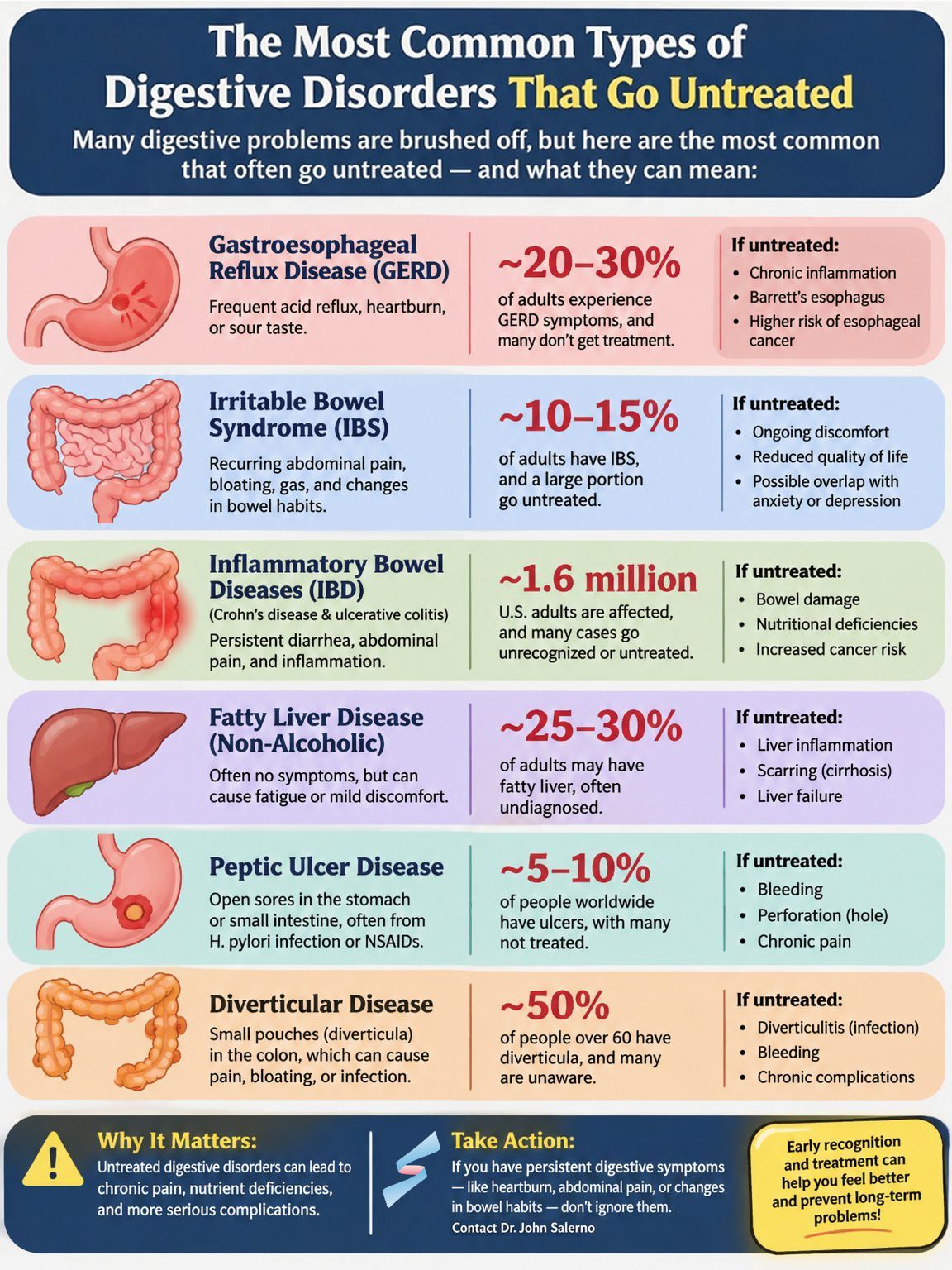
It Isn't Always IBS
IBS gets a great deal of attention because bloating, abdominal pain, diarrhea, and constipation are so common. But those symptoms aren't exclusive to IBS. Digestive symptoms can occur with a wide variety of conditions, which is one reason self-diagnosis can become problematic. Two people can both say, "Certain foods upset my stomach," while the underlying explanation may be quite different.
- IBS can produce abdominal pain and changes in bowel habits without identifiable structural abnormalities in the gastrointestinal tract.
- GERD involves stomach contents repeatedly flowing back into the esophagus and can produce recurring reflux symptoms.
- Inflammatory bowel disease involves chronic inflammation and is fundamentally different from IBS, despite some overlapping gastrointestinal symptoms.
- Diverticulosis involves small pouches that develop along the colon wall and may sometimes be discovered incidentally because it can occur without obvious symptoms.
And there are many more! That's why the answer to chronic digestive trouble shouldn't automatically be, "Stop eating that." The first job is to figure out what you're actually dealing with.
The Food Elimination Trap
When people repeatedly feel bad after eating, they often start removing foods.
First it's dairy. Then gluten. Then carbohydrates. Then certain vegetables. Perhaps alcohol, coffee, spicy foods, or anything eaten at a restaurant. Soon the list of foods that feel "safe” shrinks, yet the original problem may still be there.
Food absolutely can influence gastrointestinal symptoms. But repeatedly eliminating foods without understanding the larger clinical picture can turn eating into a guessing game.
A more useful approach is to look for patterns. When do symptoms occur? How long do they last? Are they associated with particular foods, portion sizes, stress, sleep disruption, alcohol, medications, or changes in bowel habits? Do you have symptoms outside the digestive system? Those details can provide substantially more information than simply deciding that the last thing you ate must have been the problem.
Your Gut Doesn't Take the Holidays Off
Another reason digestive problems can become more noticeable around Thanksgiving, Christmas, Hanukkah, New Year's, and the weeks of parties and dinners surrounding them is that your routine changes. Your routine changes.
You may eat larger portions, eat later at night, consume foods you don't normally eat, drink more alcohol, travel, sleep differently, exercise less, and experience more stress. For someone with an easily disrupted digestive system, those changes can make existing symptoms much more noticeable.
That doesn't mean you need to fear holiday food or approach every celebration with a list of restrictions. It means the holidays offer a chance to notice what your body has been telling you. If the symptoms disappear when normal life resumes, that tells you something. If they don't, that tells you something too.
Five Questions to Ask Before Blaming the Holiday Meal
Before deciding the stuffing, dessert, wine, or restaurant dinner was responsible, step back and look at the bigger picture.
- Has this happened before? - One isolated digestive episode is very different from the same bloating, pain, reflux, constipation, or diarrhea occurring repeatedly. Patterns provide useful information.
- Does it happen after different foods? - When the suspected food continually changes, it becomes harder to explain the problem as one simple intolerance or dietary mistake. That may be a reason to investigate beyond the individual meal.
- Are your bowel habits changing too? - Changes in bowel movements alongside abdominal discomfort can be particularly important when evaluating digestive problems such as IBS.
- Do stress and disrupted routines make symptoms worse? - Diet isn't the only factor associated with digestive symptoms. Lifestyle, stress, sleep, and routine changes can also affect how you feel.
- Do the symptoms continue when the holidays are over? - This may be the simplest question of all. If you've returned to your usual diet and routine but your digestive problems remain, it's harder to blame the celebration.
Your answers may not diagnose the problem, and they're not supposed to. They can tell you when it's time to stop guessing and start investigating.
Stop Guessing. Start Looking for Answers
At Salerno Wellness, we don't hand every patient the same list of foods to avoid. Digestive care begins with the individual's medical history, dietary habits, lifestyle, symptoms, and other factors that may help identify what's contributing to the problem.
Depending on the individual, that investigation may include medical testing, food sensitivity testing, comprehensive blood testing, and nutritional and metabolic testing to develop a clearer picture of the patient's health. Treatment is similarly individualized. Depending on the patient's needs and medical findings, care may incorporate dietary and lifestyle changes, guided nutritional supplementation, IV therapy, and other appropriate integrative approaches.
That's an important distinction.
The goal isn't to suggest that every case of bloating means there's a hidden disease, or that every uncomfortable holiday meal requires medical intervention. It's about recognizing when recurring symptoms become a pattern that deserves an explanation.
So enjoy the holidays. Enjoy the people around your table. And if you occasionally eat more than you intended, you're certainly not alone.
But if you've been telling yourself "It's just something I ate" over and over again, perhaps it's time to ask a better question: What if it isn't?
At Salerno Wellness, Dr. John Salerno can help evaluate persistent digestive symptoms, investigate potential contributing factors, and develop an individualized plan based on what your body actually needs.
Schedule an appointment with Salerno Wellness to stop guessing about your digestive symptoms, and let's start looking for answers.
Please contact us online or call us at (212) 582-1700 in New York City or (475) 269-2138 in Connecticut to schedule an appointment.