Immune Strength for the School Season

As we move into the back‑to‑school season, I see the same pattern every year: families doing everything right on the surface, eating well, staying active, getting sleep, yet still struggling with recurring illness, fatigue, and slow recovery. Over the years, I've learned that the real story of immune resilience isn't found in symptoms alone, but in the hidden markers that reveal how well the body can regulate inflammation, manage stress, clear toxins, and maintain metabolic balance.
My clinical work has always focused on identifying these early signals long before they become bigger problems. When we understand what's happening beneath the surface, we can strengthen the immune system in a way that is proactive, targeted, and deeply effective for both adults and children. This week, let's take a closer look at the markers that predict how well your body fights illness, and how to support your family's immune resilience all season long.
-Dr. John Salerno
The Hidden Markers That Predict How Well Your Body Fights Illness, and How Families Can Stay Resilient This Fall
As families transition into the back‑to‑school season, one topic becomes more important than ever: immune resilience. Fall brings cooler weather, tighter indoor environments, increased stress, and more exposure to germs, especially for children returning to classrooms. Yet most people don't realize that the strength of the immune system can be measured long before symptoms appear.
At Salerno Wellness, we evaluate specific markers that reveal how well the body can defend itself, recover, and stay balanced throughout the school season.
The Hidden Immune Markers That Matter Most
The immune system doesn't suddenly weaken — it shifts gradually, often long before symptoms appear. Most families assume immune strength is only about avoiding colds or "staying healthy.” Still, the real story lies in the underlying markers that reveal how well the body can regulate inflammation, manage stress, clear toxins, and maintain cellular balance. These deeper indicators provide a clearer picture of immune resilience, especially during high‑exposure seasons like fall.
- hs‑CRP (High‑Sensitivity C‑Reactive Protein) — This marker reveals low‑grade inflammation that weakens immune response and increases susceptibility to illness. Even mild elevations can indicate that the body is under stress and less prepared to fight infection.
- Ferritin — Beyond iron storage, ferritin reflects inflammation and metabolic strain. When ferritin is too high or too low, immune efficiency drops, energy declines, and recovery slows.
- GGT (Gamma‑Glutamyl Transferase) — A powerful indicator of oxidative stress and detoxification capacity. Elevated GGT suggests the body is struggling to clear toxins, which can weaken immune resilience.
- Cortisol Patterns — Chronic stress disrupts immune signaling, sleep quality, and inflammation control. Irregular cortisol rhythms often predict increased illness during high‑stress seasons like fall.
.
- Nutrient Deficiencies (Vitamin D, B‑complex, Zinc) — These nutrients play essential roles in immune defense, energy production, and cellular repair. Deficiencies are extremely common and often go unnoticed without testing.
- Toxicity Levels — Environmental toxins, pollutants, and heavy metals interfere with immune balance. Identifying toxic load helps explain why some individuals get sick more frequently than others.
Together, these markers offer a more complete understanding of how prepared the immune system is to handle seasonal challenges, classroom exposure, stress, and environmental triggers. When even one of these markers is out of range, the body works harder to maintain balance, often resulting in fatigue, slower recovery, and increased susceptibility to illness.
By identifying these issues early, families can strengthen immune resilience proactively rather than reacting to symptoms after they appear.
Why Children Are More Vulnerable During Back‑to‑School Season
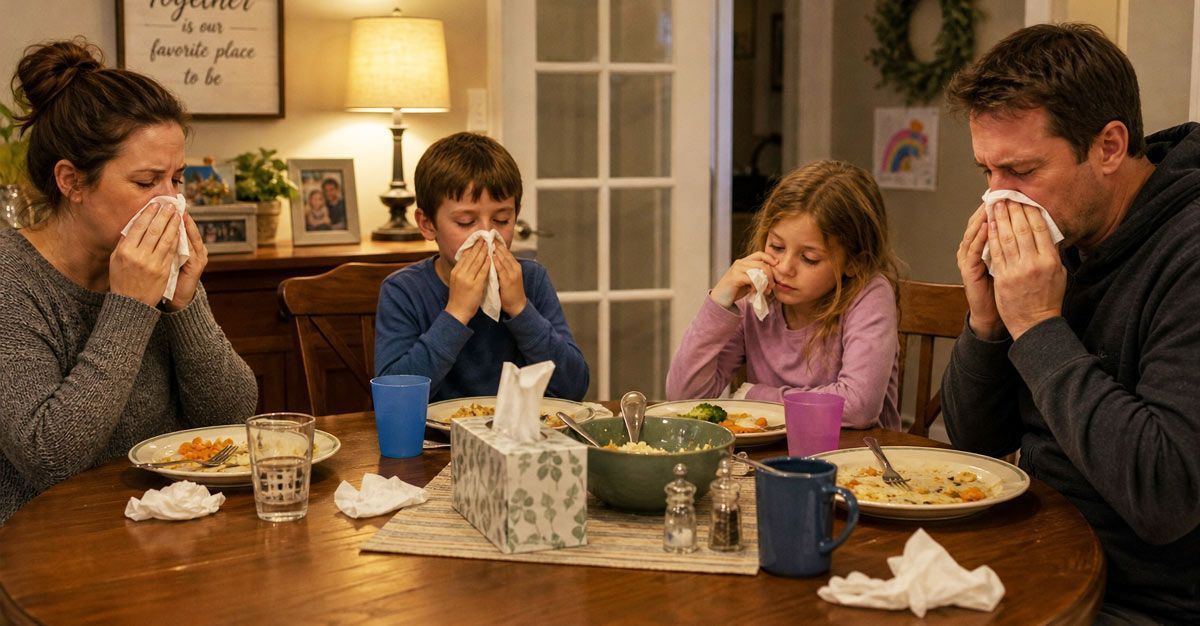
When children return to school, their immune systems face a sudden surge in exposure: new classrooms, shared surfaces, indoor air, changing sleep schedules, and increased stress. Even healthy children can experience dips in energy, mood, and resilience during the first few weeks of school. For parents, this season often brings:
- More frequent colds circulating through classrooms
- Increased fatigue from schedule changes
- Higher stress levels for both children and adults
- Disrupted sleep routines
- Greater exposure to environmental triggers
Understanding immune markers helps families prepare, not react. When a child or parent has elevated inflammation, nutrient deficiencies, or stress‑related metabolic changes, their immune system is already working harder than it should. Identifying these issues early allows for targeted support that strengthens resilience throughout the school year.
Common Illnesses Families Encounter During the Back‑to‑School Season
When children return to school, families are exposed to a wider range of seasonal illnesses due to shared surfaces, indoor air, and close contact. Understanding how these illnesses spread — and how to prevent them — helps parents keep their households healthier throughout the fall.
- Common Cold (Rhinovirus) — The cold spreads through respiratory droplets and contaminated surfaces, especially in classrooms where children touch shared items. Families can reduce risk by encouraging frequent handwashing and teaching kids to avoid touching their face. If symptoms appear, warm salt‑water gargles and increased hydration help soothe the throat and support recovery.
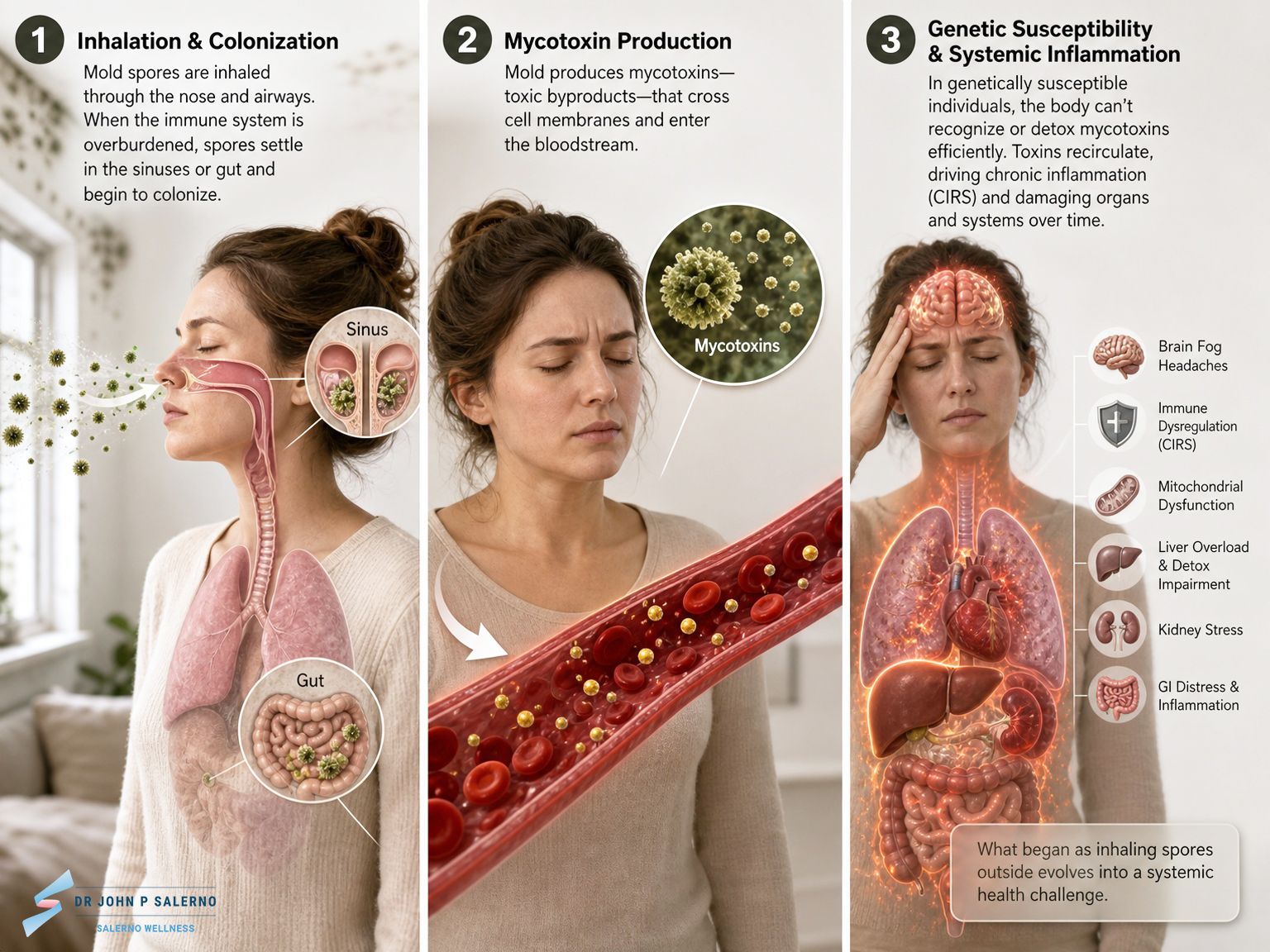
- Seasonal Allergies — Fall allergens like ragweed, mold, and indoor dust can trigger symptoms that mimic illness and often worsen when children spend more time indoors. Keeping windows closed on high‑pollen days and using an air purifier can help minimize exposure. At home, a saline nasal rinse reduces congestion and eases irritation.
- Stomach Bugs (Norovirus) — Norovirus spreads quickly through contaminated surfaces and poor hand hygiene, making schools a common source of transmission. Parents can prevent spread by reinforcing handwashing before meals and packing lunches that don't require shared utensils. If it does pass through the household, sipping electrolyte‑rich fluids and diluted ginger tea helps calm nausea and support hydration.
- Strep Throat — Strep spreads through respiratory droplets and close contact, often moving rapidly through classrooms and shared indoor spaces. Families can reduce risk by teaching children not to share drinks, snacks, or utensils. If symptoms develop, warm honey‑lemon water can soothe throat discomfort while seeking appropriate medical evaluation.
- Sinus Infections — Sinus infections often follow colds or allergies and develop when inflammation blocks normal sinus drainage. Using a humidifier at home helps keep nasal passages moist and reduces the likelihood of congestion turning into infection. If symptoms occur, steam inhalation can open nasal passages and ease sinus pressure.
- Hand‑Foot‑and‑Mouth Disease — This illness spreads through saliva, respiratory droplets, and shared surfaces, especially among younger children in close‑contact environments. Parents can help prevent transmission by wiping down backpacks, lunchboxes, and water bottles daily. If it does occur, cool liquids or popsicles ease mouth discomfort and help maintain hydration.
While these illnesses are common during the school season, families can significantly reduce their risk by supporting immune resilience, managing stress, and identifying hidden inflammation or nutrient deficiencies before symptoms appear. When the immune system is strong, children and adults recover faster and stay healthier throughout the fall.
Dr. Salerno's immune and metabolic testing provides a deeper look at the markers that influence how well the body fights illness — helping families stay prepared, not reactive.
Salerno Custom Supplements That Strengthen Immune Resilience This School Season
As families move into the back‑to‑school months, the immune system faces increased stress from tighter indoor environments, seasonal shifts, and higher exposure to germs. While immune markers such as hs‑CRP, ferritin, GGT, cortisol patterns, nutrient status, and toxicity levels reveal how prepared the body is to handle these challenges, targeted supplementation can support the pathways most responsible for immune strength and recovery.
Each of the supplements below is formulated by Dr. John Salerno using unique, physician‑developed formulas designed to support inflammation control, detoxification, nutrient balance, stress chemistry, and gut‑immune signaling.
- Vitamin D‑K Factor — Essential for immune signaling, inflammation control, and seasonal resilience. Vitamin D deficiency is one of the most common contributors to weakened immune response, making this the most important foundational supplement for fall immune support.
- Immune Factor Plus (13‑in‑1) — A comprehensive formula that strengthens multiple layers of immune defense, including antioxidant protection and cellular immunity. Its broad coverage makes it ideal during high‑exposure months when families need extra resilience.
- L‑Glutathione — The body's master antioxidant, supporting detoxification and reducing oxidative stress — two of the biggest immune‑weakening factors identified in immune marker testing. Strong glutathione levels help the body recover faster and maintain balance.
- Adrenal Factor — Supports healthy cortisol patterns, stress resilience, and energy regulation. Because stress chemistry directly influences immune strength, this supplement helps stabilize the hormonal rhythms that protect the body during demanding school‑season schedules.
- Ultra Probiotic Factor — Strengthens gut‑immune signaling, supports nutrient absorption, and helps regulate inflammation. Since over 70% of the immune system is influenced by the gut, probiotics play a critical role in maintaining daily immune balance.
Together, these five supplements support the exact pathways highlighted in your immune‑marker section: inflammation, detoxification, nutrient status, stress chemistry, and gut‑immune function. When these systems are supported, families experience stronger resilience, faster recovery, and fewer seasonal dips in energy and immunity. Adding these targeted supplements can help reinforce the body's natural defenses throughout the school season.
How Salerno Wellness Advanced Testing Helps Families Stay Healthy This Fall
Advanced immune and metabolic testing provides clarity that routine checkups cannot. It reveals:
- Whether inflammation is quietly weakening immune response
- If nutrient deficiencies are affecting energy and resilience
- Whether stress chemistry is disrupting sleep and recovery
- If toxicity is impairing immune signaling
- How well the body can handle seasonal immune challenges
This data allows Dr. Salerno to create personalized strategies that support immune strength for both adults and children — especially during high‑exposure months.
Clinical Takeaway
The back‑to‑school season is one of the most demanding times of the year for the immune system. Hidden markers like hs‑CRP, ferritin, GGT, cortisol patterns, nutrient levels, and toxicity provide a clear picture of how well the body can fight illness before symptoms appear. By identifying these early signals, families can strengthen their immune resilience and stay healthier throughout the fall.
If you or your child struggles with frequent illness, fatigue, or seasonal immune dips, Dr. Salerno's immune and metabolic evaluation can help uncover the root cause and guide a personalized plan for stronger defense this school season.
Ready to Strengthen Your Immune Resilience This Fall?
Hidden immune markers like hs‑CRP, ferritin, GGT, cortisol patterns, nutrient levels, and toxicity reveal how prepared your body is to handle seasonal challenges. If you or your child experiences frequent illness, fatigue, or immune dips during the school season, a personalized evaluation can uncover the root cause
.
Schedule Your Immune & Metabolic Evaluation. Take a proactive approach this fall with Dr. Salerno's advanced testing and physician‑developed supplement protocols.
Please contact us online or call us at (212) 582-1700 in New York City or (475) 269-2138 in Connecticut to schedule an appointment.
Thank you,
Dr. John Salerno, DO
(212) 582-1700 NYC
(475) 269-2138 CT
Additional Resources