The Overlooked Importance of Immune Health

When I talk to patients about the importance of immune health, I like to explain it as if you had just jumped off a cliff: the speed at which you fall depends on the strength of your immune system.
-Dr. John Salerno
Building A Better Immune System with Advanced Therapies for Immune Support
Our bodies are crazy fragile by design. Organs gradually fail normally with aging. Contaminants like exposure to environmental toxins and foreign organisms will contribute to the demise of your organs. If you remember my parasite newsletter, most of the cells in your body aren't even human. It seems like the odds are stacked against us.
But as bleak as that may sound, we are all blessed with a personal bodyguard called our immune system. 24/7, it quietly works behind the scenes protecting us. Quietly, until bodily symptoms start telling us something is wrong and needs our attention. The severity of these symptoms will determine if you will fall from a cliff at the speed of a feather or a boulder. If symptoms are ignored, your immune system can mistakenly attack your body's own healthy cells and tissues.
What is the Immune System?
The immune system is the body's complex defense network that protects against infections, diseases, and harmful invaders such as bacteria, viruses, fungi, parasites, and abnormal cells. It distinguishes between what belongs to the body and what does not, then mobilizes specialized cells and proteins to neutralize or destroy threats.
Where is Your Immune System?
The immune system is not located in a single place but is spread throughout the body as a vast network. It includes organs and tissues such as the bone marrow, where immune cells are produced; the thymus, where T cells mature; the spleen, which filters blood; and the lymph nodes, which trap invaders and activate immune responses. Mucosal tissues in the gut, lungs, and nasal passages act as frontline barriers against pathogens.
In addition to these structures, the immune system relies on circulating components, such as white blood cells, antibodies, and proteins, that patrol the blood and lymph to detect and neutralize threats. The skin and mucous membranes serve as outer shields, preventing harmful microbes from entering the body. Altogether, the immune system is woven into your blood, tissues, and organs, constantly monitoring and protecting you from disease.
- Functions - Its primary roles include blocking pathogens from entering, recognizing invaders, eliminating harmful microbes, repairing tissue damage, and building memory to respond more effectively to future infections.
- Subsystems - The immune system has two major branches. Innate immunity is present from birth and provides rapid, general protection through barriers like skin and mucous membranes, as well as cells that engulf invaders. Adaptive immunity develops over time, using T cells to attack infected cells and B cells to produce antibodies, while also creating long-term immunological memory.
Organs and Cells
Key components include the bone marrow, which produces immune cells; the thymus, where T cells mature; the spleen and lymph nodes, which filter blood and lymph; and white blood cells such as neutrophils, macrophages, and lymphocytes, which act as the system's soldiers.
Warning Signs of a Failing Immune System
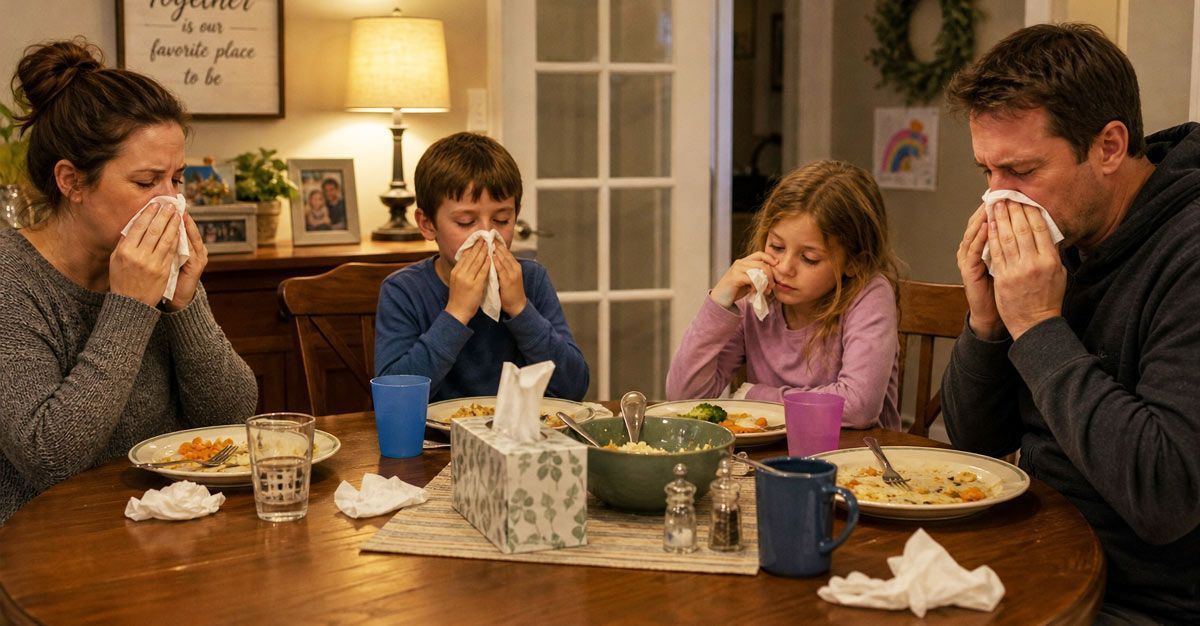
- Frequent or severe infections - Pneumonia, sinus infections, ear infections, or unusual opportunistic infections.
- Delayed recovery - Illnesses last longer or recur often.
- Complications - Autoimmune disorders, slowed growth, organ damage, or increased cancer risk.
Understanding how immunodeficiency develops is crucial because early diagnosis and treatment can prevent life-threatening infections and improve quality of life. While primary immunodeficiencies cannot be prevented, secondary causes can sometimes be reduced through lifestyle choices, careful medical management, and infection prevention strategies.
Causes of Immune System Malfunctions
When the immune system is weakened, known as immunodeficiency, the body becomes vulnerable to frequent or severe infections. When it is overactive, it can cause allergies or autoimmune diseases, mistakenly attacking the body's own tissues.
People can become immunodeficient either because they are born with genetic defects in their immune system (primary immunodeficiency) or because their immune system is weakened later in life by diseases, treatments, or environmental factors (secondary immunodeficiency).
Primary (Inherited) Immunodeficiency
- Genetic mutations - Many primary immunodeficiency disorders are caused by inherited changes in DNA that prevent the immune system from developing or functioning correctly.
- Types - These include B-cell deficiencies, T-cell deficiencies, combined B- and T-cell deficiencies, phagocyte defects, and complement deficiencies.
- Examples - Severe combined immunodeficiency (SCID), common variable immunodeficiency (CVID), and selective IgA deficiency.
- Onset - Some forms appear at birth or early childhood, while others may not be noticed until adulthood.
Secondary (Acquired) Immunodeficiency
- Infections - HIV/AIDS is the most well-known cause, as the virus directly attacks immune cells.
- Chronic diseases - Diabetes, cirrhosis, kidney disease, and certain cancers can weaken immunity.
- Malnutrition - Lack of essential nutrients, especially protein, can impair immune cell production.
- Medical treatments - Chemotherapy, radiation therapy, corticosteroids, and immunosuppressant drugs (used after organ transplants or for autoimmune diseases) can suppress immune function.
- Other causes - Severe burns, long-term hospitalization, or aging can also reduce immune defenses.
How I Treat Weakened Immune Systems
I treat weakened immune systems using a personalized, integrative approach that combines advanced medical therapies with nutrition, lifestyle changes, and functional medicine. My methods focus on restoring balance, reducing inflammation, and directly supporting immune function.
- Personalized Evaluation - I begin with a thorough assessment of medical history, lifestyle, and environmental factors to identify underlying causes of immune weakness. This allows me to tailor treatments to each patient's unique needs rather than relying on a one-size-fits-all approach.
- IV Therapy - One of my hallmark treatments is personalized IV therapy, which delivers essential nutrients, vitamins, and minerals directly into the bloodstream. IV Therapy bypasses the digestive system, ensuring maximum absorption and rapid support for immune function. IV therapy is often used for patients with nutrient deficiencies, chronic fatigue, or those recovering from illness.
- IVIG Therapy - Using purified antibodies delivered intravenously to strengthen or regulate the immune system when natural antibody levels are insufficient. I use this treatment to help patients manage immunodeficiencies, autoimmune conditions, and chronic infections, restoring balance and resilience.
- Ozone Therapy -
Introduces medical-grade ozone into the body to increase oxygen utilization and stimulate immune regulation. By enhancing antioxidant defenses and reducing chronic inflammation, Ozone Therapy helps the immune system respond more effectively to infections.

Immune Factor Plus Supplement
Proven Supplementation - I personally designed Immune Factor Plus to strengthen immune defenses by combining 13 targeted vitamins, minerals, and antioxidants that support cellular protection and resilience. It works as a proactive modality by enhancing the body's ability to recognize and respond to pathogens while reducing oxidative stress.
The results with patients have been outstanding! Taken regularly, it helps maintain year-round immune vigilance, making it a comprehensive tool for sustaining overall wellness.
Learn more about Immune Factor Plus.
- Nutritional and Dietary Support - I emphasize anti-inflammatory diets rich in whole foods to reduce immune stress and promote healing. I often recommend specific supplements to strengthen immunity and restore balance.
- Platelet-Rich Plasma (PRP) for tissue repair and regeneration.
- Stem Cell Therapy to promote healing and immune resilience.
- Ultraviolet Blood Irradiation Therapy to reduce infections and modulate immune response.
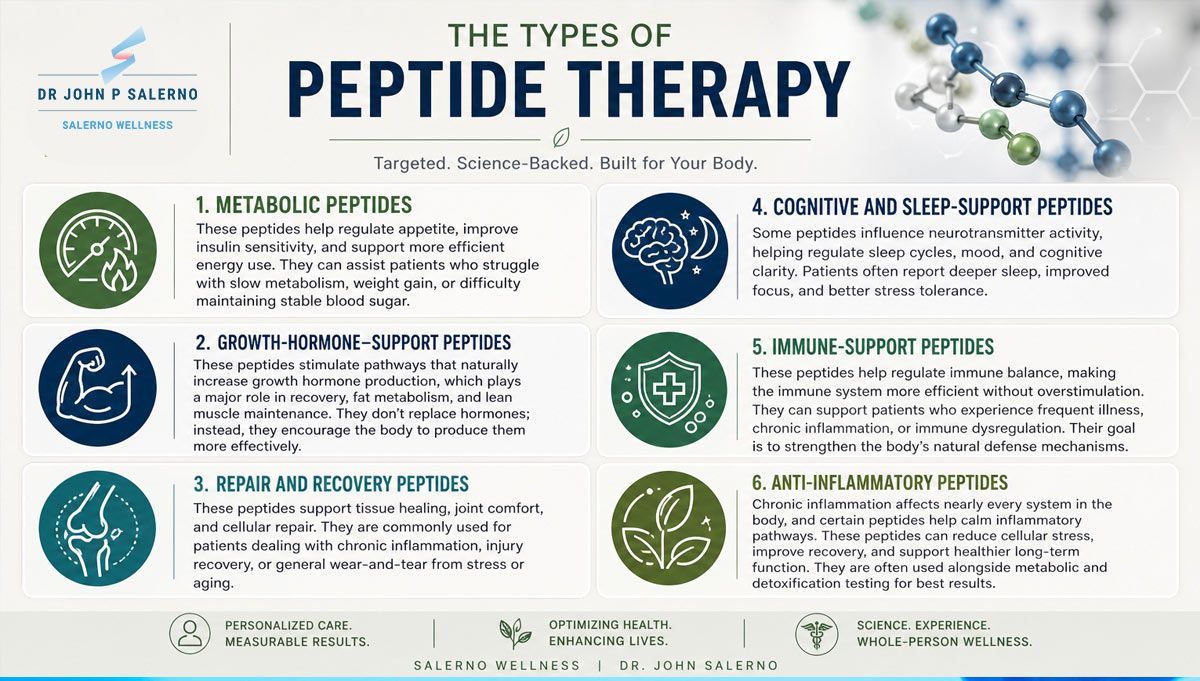
- Peptide Therapy to regulate immune signaling and enhance recovery.
I combine traditional medicine with functional and integrative care. I don't treat symptoms; I address the root causes of health conditions. My goal is to empower patients to optimize their immune health and improve overall quality of life.
What makes my approach distinctive is the combination of conventional medical expertise with advanced integrative therapies. Patients benefit from both immediate immune support (such as IV infusions) and long-term strategies (such as diet, supplements, ongoing treatments, and lifestyle changes). This dual focus helps those with autoimmune conditions, chronic fatigue, or frequent infections regain strength and resilience.
Importance of Proactive Treatments
The immune system is essential for survival. Without it, even minor infections could become life-threatening. Its ability to adapt and remember pathogens makes it one of the most remarkable features of biology, ensuring humans can resist countless diseases throughout life.