How Stress Works: The Science No One Talks About
Conventional medicine treats stress as a mental or emotional issue — something to be managed with coping strategies, therapy, or medication. While these tools can be helpful, they overlook the deeper truth: stress is a biochemical event, and the body's stress response is rooted in hormones, inflammation, and metabolic changes at the physical level.
This week, let's take a closer look at what we think we know about stress, and what's actually happening inside the body when we experience it, so we can take more effective steps to reduce its long‑term impact on our health.
-Dr. John Salerno
Stress Management for Long Term Health
Most people think stress is simply feeling overwhelmed, tense, or mentally drained. They picture stress as a psychological reaction to a busy schedule, a demanding job, or a difficult life event. But stress is far more complex than that. It is a full‑body physiological response that affects every organ system, every hormone pathway, and every aspect of long‑term health.
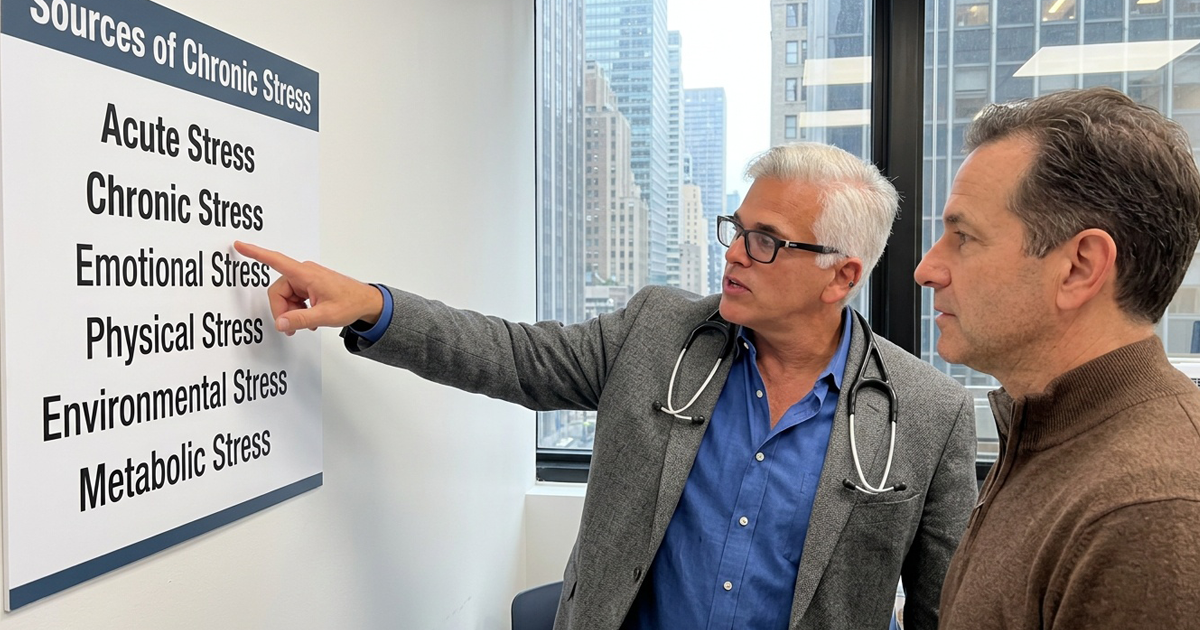
Stress comes in many forms, and most people experience several of these simultaneously. Understanding the different types of stress is the first step toward understanding why symptoms become chronic and why the body eventually struggles to recover.
- Acute Stress: This is the body's immediate reaction to a sudden challenge or threat. It triggers a rapid release of adrenaline and cortisol, increases heart rate, and heightens alertness. Acute stress is short‑lived but can be intense, and repeated episodes can accumulate over time.
- Chronic Stress: Chronic stress occurs when the body remains heightened for weeks, months, or even years. Hormone levels stay elevated, inflammation rises, and the nervous system becomes dysregulated. This type of stress is strongly linked to fatigue, weight gain, insomnia, and hormonal imbalances.
- Emotional Stress: Emotional stress stems from relationships, grief, conflict, or internal pressure. It affects the limbic system, alters neurotransmitter balance, and can lead to anxiety, irritability, and mood swings when left unaddressed.
- Physical Stress: Physical stress includes illness, injury, chronic pain, overtraining, or lack of sleep. These stressors activate the same hormonal pathways as emotional stress and can, over time, exhaust the adrenal glands.
- Environmental Stress: Environmental stress comes from toxins, pollutants, noise, chemicals, and even temperature extremes. These stressors increase oxidative stress and force the body to work harder to maintain balance.
- Metabolic Stress: Metabolic stress is caused by blood sugar instability, poor diet, nutrient deficiencies, and inflammation. It disrupts energy production and contributes to fatigue, cravings, and weight gain.
All of these stressors interact with one another, and the body does not distinguish between them. Whether the trigger is emotional, physical, or environmental, the physiological response is the same — and that is where long‑term health consequences begin.
Symptoms of Chronic Stress Exposure
Chronic stress develops gradually, and its symptoms often blend into daily life until they become impossible to ignore. Many people notice persistent fatigue that doesn't improve with rest, along with difficulty concentrating or a sense of mental fog. Sleep becomes disrupted by trouble falling asleep, frequent awakenings, or feeling unrefreshed in the morning. Mood changes such as irritability, anxiety, or feeling emotionally overwhelmed become more common as the nervous system stays in a heightened state.
Physical symptoms may appear, including muscle tension, headaches, digestive discomfort, or unexplained aches and pains. Cravings for sugar, salt, or caffeine often increase as the body struggles to maintain energy. Weight fluctuations, especially around the midsection, can occur as cortisol levels remain elevated. Over time, these symptoms signal that the body is no longer recovering from stress and needs deeper support to restore balance.
What Happens Inside the Body During Stress
During a stressful event, the brain activates the hypothalamic‑pituitary‑adrenal (HPA) axis, which signals the adrenal glands to release cortisol and adrenaline. These hormones increase heart rate, elevate blood pressure, and redirect blood flow to essential organs. Blood sugar rises to provide quick energy, digestion slows, and the immune system temporarily shifts into a defensive mode.
Neurotransmitters such as norepinephrine surge, sharpening focus and heightening alertness. While this response is protective in the short term, it becomes harmful when repeatedly or continuously activated. Over time, the adrenal glands struggle to keep up, cortisol rhythms become disrupted, and the body loses its ability to return to a balanced state.
Why Long‑Term Stress Is Harmful
Long‑term exposure to stress disrupts nearly every system in the body. Chronic cortisol elevation contributes to weight gain, especially around the abdomen, and interferes with thyroid function. Persistent stress weakens the immune system, making the body more susceptible to infections and slower to heal. It also disrupts sleep cycles, increases inflammation, and accelerates cellular aging.
Hormonal imbalances become more pronounced, affecting mood, energy, and metabolism. Over time, chronic stress increases the risk of cardiovascular disease, insulin resistance, digestive disorders, and cognitive decline. Without intervention, the body becomes locked in a cycle of fatigue, irritability, and poor resilience.
How Dr. John Salerno Treats Stress

Dr. John Salerno approaches stress as a whole‑body condition that requires a comprehensive, integrative strategy. His treatments focus on identifying the root causes of stress, restoring hormonal balance, and strengthening the body's resilience.
- Advanced Diagnostic Testing: Dr. Salerno uses detailed hormone panels, adrenal function tests, inflammatory markers, and metabolic assessments to identify the underlying physiological imbalances contributing to stress. These tests reveal patterns that conventional medicine often overlooks.
- Personalized Nutritional Therapy: Targeted nutritional plans are designed to stabilize blood sugar, reduce inflammation, and support adrenal recovery. Nutrient‑dense foods and strategic supplementation help restore energy and improve resilience.
- Hormone and Adrenal Support: When appropriate, Dr. Salerno uses integrative therapies to rebalance cortisol rhythms, support adrenal function, and optimize thyroid and sex hormones. This helps restore the body's natural stress response.
- IV Therapy: Customized IV infusions deliver essential nutrients directly into the bloodstream to support energy production, immune function, and cellular repair. These treatments help counteract the biochemical effects of chronic stress.
- Mind‑Body and Lifestyle Optimization: Dr. Salerno incorporates breathing techniques, sleep optimization, detoxification strategies, and personalized lifestyle recommendations to reduce stress triggers and improve long‑term well‑being.
- Ongoing Monitoring and Adjustments: Treatment plans are continuously refined based on follow‑up testing and patient feedback, ensuring steady, sustainable progress.
Salerno Vitamins That Support the Body's Stress Response
I created Salerno Vitamins based on 30 years of patient experience. These are the Salerno Vitamins products most commonly associated with supporting stress physiology, adrenal balance, inflammation control, and nervous system regulation. Please contact me if you have any questions about which supplements you should be taking.
- Salerno Mineral Factor - Magnesium is commonly used to promote relaxation, reduce muscle tension, and support nervous system balance. Stress increases magnesium depletion, making replenishment essential for sleep, mood stability, and adrenal recovery.
- Salerno Omega Factor - Omega‑3 fatty acids help regulate inflammation, support brain health, and stabilize neurotransmitter pathways. Chronic stress increases inflammatory signaling; omega‑3s help counterbalance this and support cognitive clarity and emotional resilience.
- Salerno Vitamin D-K Factor - Vitamin D receptors exist throughout the brain and immune system. Low vitamin D levels are associated with increased stress sensitivity, mood changes, and immune dysregulation. Vitamin K2 supports proper calcium metabolism, which becomes important when cortisol levels remain elevated.
- Salerno Ultra Probiotic Factor - The gut–brain axis plays a major role in stress regulation. Certain probiotic strains are studied for supporting mood, digestion, and stress resilience. Stress disrupts gut flora, increases intestinal permeability, and affects neurotransmitter production — probiotics help restore balance.
- Salerno Daily Essentials - Chronic stress increases the body's demand for B vitamins, antioxidants, and trace minerals. A high‑quality multivitamin helps replenish nutrients depleted by stress and supports energy production, adrenal function, and immune resilience.
- Salerno L-Glutathione - Chronic stress increases oxidative stress and free‑radical activity. Antioxidants — especially glutathione — support detoxification, cellular repair, and immune balance. This is particularly important for patients with chronic inflammation, toxin exposure, or long‑term stress burden.
A Stress-Free Ending
Stress is far more than a feeling — it is a complex physiological process that affects every system in the body. When left untreated, stress can lead to fatigue, weight gain, hormonal imbalances, inflammation, and long‑term health complications. If you are experiencing persistent stress, difficulty sleeping, low energy, mood changes, or unexplained physical symptoms, it may be time for a comprehensive stress evaluation.
Dr. Salerno's integrative approach identifies the root causes of stress and provides personalized treatments that restore balance, resilience, and long‑term health. Taking the first step toward understanding your stress can transform your quality of life and help you regain control of your well‑being.