Summer Skin Protection and Repair Plan
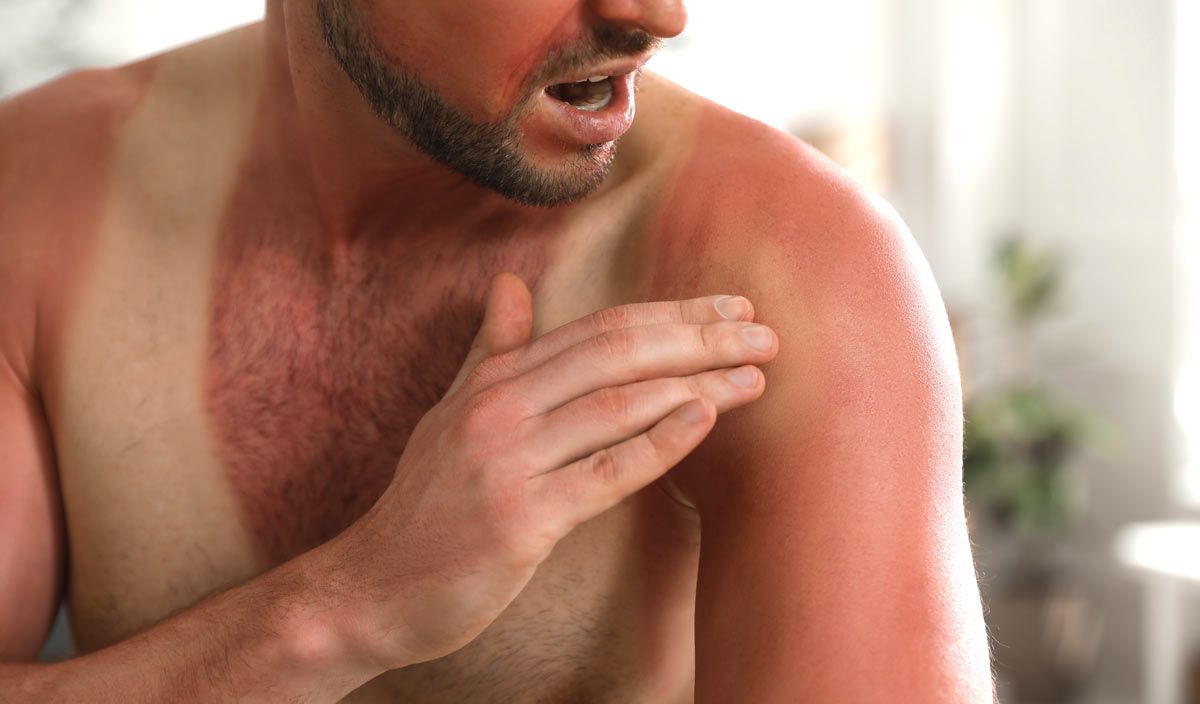
With the summer upon us, almost all of us will be back outside, getting more sun, or working on our tans. Now is the perfect time to review how the sun affects your skin and how we can protect the body's largest organ.
This week, let's take a little refresher on "sun safety" and how we can protect our bodies from overexposure and effectively repair skin damage we've accumulated over time.
-Dr. John Salerno
The Sunburn You Got at 16 Is Still Damaging Your Skin Today
Most people don't realize that every sunburn you get permanently alters the DNA in skin cells. While the body repairs most of that damage, the mutations it misses accumulate silently over decades — meaning the photoaging, pigmentation irregularities, and elevated cancer risk you see at 40 or 50 are partly the compounded biological consequence of UV exposure your skin absorbed in adolescence.
Summer sun exposure is not a cosmetic inconvenience — it is a significant and cumulative biological stressor. Understanding what happens at the tissue and molecular level is the first step toward meaningful protection and, where necessary, effective repair.
How the Sun Damages Your Skin
Here's something most people don't know: a sunburn isn't just an injury — it's your body deliberately killing its own cells. UV-damaged cells self-destruct through a process called apoptosis to prevent them from becoming cancerous. The redness, the heat, the peeling skin days later — all of it is a controlled demolition.
The radiation causing that damage comes in two forms. UVA accounts for 95 percent of the UV radiation that reaches your skin. It penetrates deep into the dermis, the structural layer, where it activates enzymes that break down collagen and elastin. That's what drives photoaging: fine lines, loss of firmness, and uneven skin tone. It's also a recognized driver of melanoma.
UVB irradiation reaches the skin's surface and directly damages DNA, forming abnormal bonds in the genetic code called pyrimidine dimers. When those aren't repaired correctly, they become the mutations that underlie basal cell and squamous cell carcinomas, the most common skin cancers. On top of both, UV exposure floods cells with reactive oxygen species — unstable molecules that damage membranes, proteins, and DNA for hours after you've gone inside.
The number that should stop you: up to 90 percent of visible skin aging is driven by UV exposure, not by getting older. Most of what people call "aging skin" is decades of accumulated sun damage.
Sunscreens to Look For
The clinical standard for daily sun protection is a broad-spectrum mineral sunscreen with an SPF of 30 or higher, formulated with zinc oxide or titanium dioxide as the active ingredient. These compounds work by physically blocking and scattering both UVA and UVB radiation at the skin's surface. They are photostable — meaning they do not degrade significantly when exposed to sunlight — and carry a significantly lower risk of hormonal disruption than chemical alternatives.
SPF 50 reduces UVB transmission to approximately 2 percent, versus roughly 3 percent for SPF 30, making the difference modest but meaningful under prolonged exposure conditions. Regardless of SPF, please reapply every two hours. Sweating, swimming, and toweling off all compromise the integrity of the sunscreen film, and a single morning application provides inadequate protection through an afternoon outdoors.
Sunscreens to Avoid
Chemical sunscreens containing oxybenzone, octinoxate, or avobenzone present several concerns that warrant caution. The FDA has formally flagged the systemic absorption of these compounds — studies have confirmed that they enter the bloodstream at concentrations exceeding the safety assessment threshold after a single day of use.
Several of these chemicals have been identified as potential endocrine disruptors in laboratory and epidemiological research. Avobenzone, while broadly protective across the UVA spectrum, degrades in sunlight and requires stabilizing agents to remain effective. Spray sunscreens, regardless of formulation, provide inconsistent coverage and pose inhalation risks; they are not appropriate as a primary protective strategy.
Sunscreens marketed with SPF values above 100 offer negligible incremental protection over SPF 50 and may encourage users to apply less product less frequently, resulting in a net reduction in actual UV protection.
Repairing Sun-Damaged Skin at Salerno Wellness
Once UV damage occurs at the cellular and dermal levels, passive skincare alone rarely reverses it. Topical retinoids and antioxidant serums play a supportive role. Still, they cannot replicate the structural collagen lost to years of photoaging, the pigmentary changes rooted in melanocyte dysregulation, or the mitochondrial and inflammatory disruptions that accumulate over time.
My approach at Salerno Wellness uses targeted medical modalities designed to address damage at the tissue, cellular, and molecular level — each selected based on the patient's specific presentation and diagnostic findings.
Nutritional Supplementation is Healing from the Inside Out
Protecting your skin from sun damage isn't just about external efforts — what you take internally plays an equally critical role in both defense and repair. Dr. Salerno's supplement line includes several physician-formulated compounds that target UV-induced oxidative stress, collagen degradation, and systemic inflammation at the cellular level.
- Collagen Factor supplies bioactive collagen peptides that signal fibroblasts to produce more collagen in the dermis — directly addressing the structural breakdown caused by UV exposure. Vitamin C and hyaluronic acid are included to support that synthesis and maintain skin hydration.
- L-Glutathione is the body's primary intracellular antioxidant. UV radiation rapidly depletes it, leaving cells vulnerable to oxidative damage. This replenishes those reserves, helping neutralize the free radicals generated by sun exposure.
- COQ10 Factor restores coenzyme Q10 that UV light strips from the skin's mitochondria. Healthy CoQ10 levels keep skin cells energized and protect cell membranes from UV-induced lipid peroxidation — a type of damage that water-soluble antioxidants alone can't address.
- Omega Factor (EPA, DHA, DPA) works systemically to dampen the inflammatory response triggered by UV exposure in the skin. EPA, in particular, competes with the inflammatory compounds the body would otherwise release after sun exposure, reducing redness and suppressing the immune disruption caused by chronic sun damage.
Lutronic Genius Skin Rejuvenation
Radiofrequency microneedling delivers precisely controlled RF energy into the dermis through insulated microneedles, creating discrete zones of thermal injury that stimulate a robust wound-healing response. That response drives the neogenesis of collagen and elastin — not just remodeling of existing fibers, but the formation of new structural protein.
RF Microneedling is particularly effective for fine lines, skin laxity, and textural irregularities resulting from photoaging. Downtime is minimal compared with ablative alternatives, and results continue to improve over a series of sessions as the collagen remodeling process matures.
Platelet-Rich Plasma (PRP) Therapy
PRP therapy uses a concentrated preparation of the patient's own growth factors — including platelet-derived growth factor (PDGF), transforming growth factor-beta (TGF-β), and vascular endothelial growth factor (VEGF) — to accelerate cellular repair and support collagen synthesis. These signaling proteins act on fibroblasts and keratinocytes, improving dermal density, skin texture, and tone.
Platelet-Rich Plasma Therapy is particularly well-suited to sun-damaged skin with pigmentation irregularities and early dermal atrophy. Because PRP is derived from the patient's own blood, it carries no risk of allergic reaction or rejection, and the biological signaling it provides is highly compatible with the tissue's native repair architecture.
Red Light Therapy
Photobiomodulation in the 620 to 750 nanometer wavelength range penetrates the dermis without generating thermal injury. At the cellular level, red light activates cytochrome c oxidase within the mitochondrial electron transport chain, enhancing ATP production and reducing oxidative stress. This mitochondrial stimulation supports cellular repair, reduces post-UV inflammatory signaling, and upregulates collagen production through fibroblast activation.
Red Light Therapy produces measurable improvements in fine lines, post-inflammatory erythema, and overall skin tone. The treatment is non-invasive and well-tolerated, making it a useful adjunct within a broader skin repair protocol.
TwinLight Fractional Rejuvenation
TwinLight Fractional Rejuvenation is a dual-laser protocol that combines ablative and non-ablative laser energy delivered in three sequential phases.
- The first phase conditions the skin surface by removing devitalized epidermal cells and initiating superficial collagen stimulation.
- The second phase uses fractional resurfacing to create microscopic thermal zones within deeper skin layers, triggering a regenerative response without compromising surrounding tissue.
- The third phase targets skin laxity and firmness through controlled thermal tightening. The combined effect addresses fine lines, pigmentation irregularities, age spots, acne scarring, and enlarged pores, which are all common manifestations of chronic sun damage.
The sequential nature of the protocol allows the physician to calibrate energy delivery based on skin type, damage severity, and patient tolerance.
Clinical Peptide Therapy
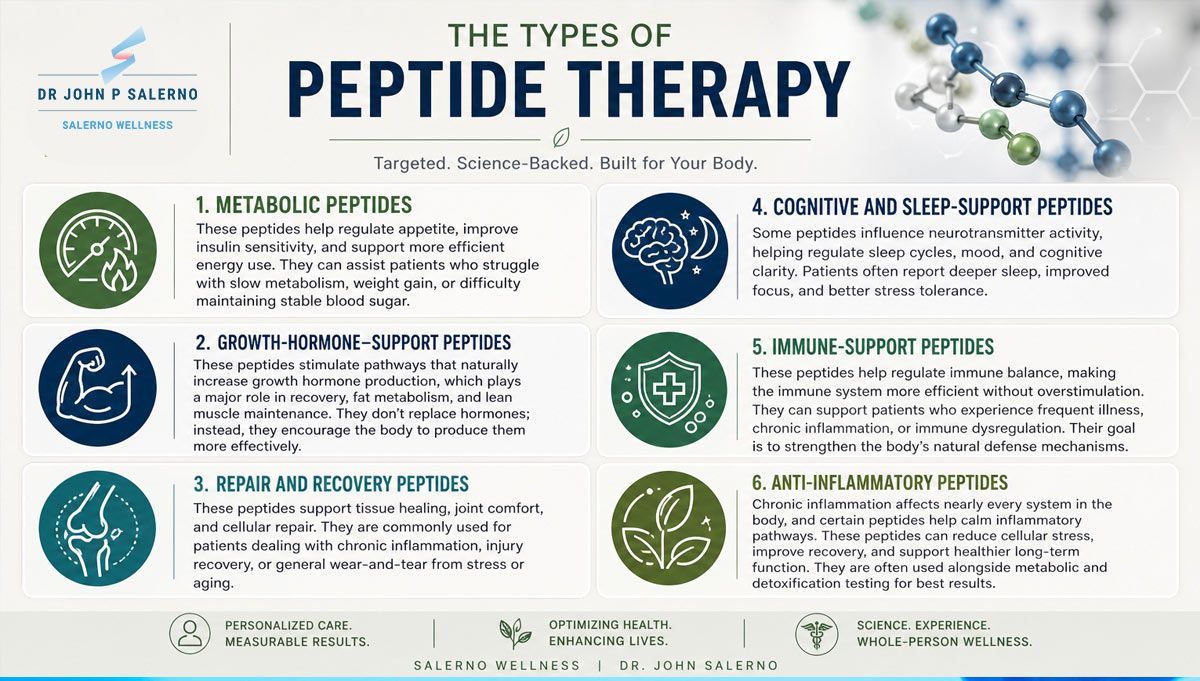
Peptides are shortamino acidd chains that function as cellular signaling molecules and play asignificantl role in modulating the inflammatory cascades that drive and sustain UV-related skin damage. When used as part of a physician-supervised treatment plan, targeted peptides support fibroblast activity, collagen synthesis, and the body's own tissue repair mechanisms.
Clinical Peptide Therapy also helps reduce chronic, low-grade systemic inflammation, which amplifies UV-related deterioration over time. Dosing is individualized and based on diagnostic findings; this is not a supplement category where generalized protocols apply. The efficacy of peptide therapy is proportional to its integration into the patient's overall clinical picture.
Longevity Medicine and Cellular Repair
UV exposure not only damages the skin in ways that are visible at the surface. At the cellular level, it accelerates telomere shortening, impairs mitochondrial function, and sustains chronic inflammatory signaling — all of which are established biomarkers of accelerated biological aging.
Salerno Wellness's longevity medicine framework uses advanced diagnostics to identify these markers across metabolic, hormonal, and inflammatory domains. From those findings, a personalized treatment plan is built that may include NAD+ support to restore mitochondrial efficiency, IV nutrient therapy to correct micronutrient deficiencies that impair cellular repair, detoxification protocols, and hormone optimization.
The goal is not to address the skin in isolation but to correct the systemic contributors to accelerated aging that make surface-level damage both more severe and more resistant to treatment. Skin health, approached this way, is an output of broader physiological function — and improving that function is where lasting results originate.
Summer Skin Health
Meaningful sun protection is a two-part clinical strategy. The first part is defense: consistent use of broad-spectrum mineral sunscreen with adequate SPF, sun-protective clothing (UPF-rated fabrics and wide-brim hats), and deliberate use of shade during peak UV hours between 10 a.m. and 4 p.m. These measures, applied with the same consistency as any other preventive health behavior, substantially reduce the cumulative UV burden the skin accumulates over a lifetime.
The second part is repair: when damage has already occurred at the dermal and cellular level, targeted medical intervention is the appropriate response. Salerno skin treatments are not elective enhancements — they are clinically grounded tools for addressing biologically confirmed deterioration.
If you are concerned about UV-related skin damage or wish to establish a proactive skin health baseline, I encourage you to schedule a consultation at Salerno Wellness. A thorough evaluation is the only sound basis for a personalized treatment plan.
Please contact us online or call us at (212) 582-1700 in New York City or (475) 269-2138 in Connecticut to schedule an appointment.