Parasite Infections - From Exposure to Recovery, How Functional Medicine Navigates Parasite Infections
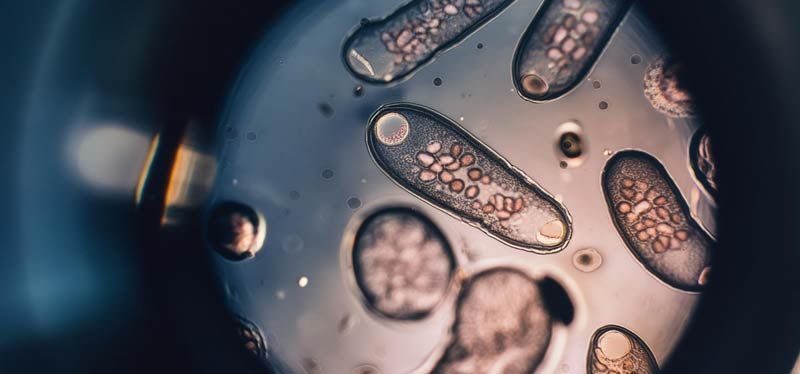
Protozoa are microscopic parasites that typically enter the body through contaminated food or water, replicate within you, and cause severe infection.
-Dr. John Salerno
How Parasites Get Into Your Body and How to Remove Them Naturally
Parasitic organisms are surprisingly resilient and can enter our bodies through various everyday routes. Awareness of these sources is the first step toward prevention.
One of the most common routes of transmission is through contaminated food and water. Produce that hasn't been washed properly, undercooked meat, and raw fish like sushi can all harbor parasites. Even municipal water supplies can sometimes become contaminated, although this is less common.
International travel is another significant risk factor. When you visit new environments, you are exposed to parasites your body is not accustomed to. Drinking local tap water, eating from food stalls, or even swimming in contaminated lakes or rivers can lead to an infection.
Direct contact is also a primary mode of transmission. This can happen through contact with an infected person, often in environments with shared facilities and less-than-ideal hygiene. You can also contract parasites from pets. Animals can carry various parasites in their feces, which can then be transferred to humans.
Understanding the Types of Parasites
Parasites are broadly classified into three main categories, each with its own characteristics and invasion strategies.
- Protozoa - These are microscopic, single-celled organisms that can multiply within the human body. They typically enter the body through contaminated food or water. Common examples include Giardia lamblia, which causes severe digestive distress, and Toxoplasma gondii, often associated with cats but also found in undercooked meat. Because they can replicate within you, a single organism can cause a serious infection.
- Helminths - These are multicellular organisms, commonly known as worms. Unlike protozoa, helminths usually cannot multiply in the human body as adults. This category includes roundworms, tapeworms, and flukes. You can become infected by consuming their eggs or larvae in contaminated food, water, or soil. For instance, tapeworms are often contracted from undercooked beef or pork, while roundworms can enter the body if you ingest contaminated soil particles.
- Ectoparasites - This group lives on the body rather than in it. Ticks, fleas, lice, and mites are common ectoparasites. While they are often seen as a nuisance, they can also carry other diseases like Lyme Disease and cause significant skin irritation and allergic reactions.
Why Parasite Infections Often Go Unnoticed
One of the biggest challenges with parasitic infections is that they are masters of disguise. Their symptoms often mimic those of other common health conditions, leading to misdiagnosis or dismissal. Many people live with a low-grade parasitic infection for years without ever knowing it.
- Parasites have evolved to coexist with their hosts, often without causing immediate, severe symptoms that would alert the body to their presence. The symptoms can be vague and sporadic, including:
- Digestive Disorders - Chronic bloating, gas, constipation, diarrhea, or abdominal pain are classic signs. These are frequently misdiagnosed as Irritable Bowel Syndrome (IBS).
- Unexplained Fatigue - Parasites can interfere with nutrient absorption and trigger a low-level immune response, both of which can drain your energy and lead to chronic fatigue.
- Skin Issues - Rashes, eczema, hives, or itching can be a reaction to the toxins released by parasites into your bloodstream.
- Nutrient Deficiencies - Parasites can rob your body of essential vitamins and minerals. Iron-deficiency anemia, for example, can be caused by parasites that feed on your blood.
Because these symptoms can come and go, many individuals simply learn to live with them, assuming they are a normal part of life or a consequence of stress.
The Long-Term Risks of Untreated Infections
While a parasite might not cause dramatic symptoms initially, its long-term presence can lead to serious health consequences. When an infection is left untreated, the cumulative damage can be significant.
Chronic nutrient deficiencies can lead to issues like hair loss, brittle nails, and severe weakness. An ongoing battle with a parasite can weaken your immune system, making you more susceptible to other illnesses and infections. The constant inflammation triggered by the parasite’s presence can also contribute to or worsen other conditions.
For example, some research suggests a link between chronic parasitic infections and the development of autoimmune conditions. The immune system, overstimulated by the parasite, may begin to mistakenly attack the body's own tissues. In severe cases, some parasites can migrate from the intestines to organs such as the liver, lungs, and even the brain, causing significant, sometimes irreversible damage.
A Functional Approach to Treatment at Salerno Wellness
I treat parasitic infections with a comprehensive, patient-centered approach. I don't just treat the symptoms; I identify and eliminate the root cause while restoring your body's natural balance.
My process begins with a detailed consultation to review your symptoms, lifestyle, and medical history. From there, I use advanced diagnostic tests to accurately identify the specific parasite type. This is a critical step, as different parasites require different treatment protocols.
Once we have a diagnosis, I create a customized treatment plan that may include:
- Antiparasitic Treatments - We utilize targeted medications or powerful herbal remedies to eliminate the infection.
- Nutritional Guidance - A nutrient-dense diet is crucial for supporting your body during the cleansing process. We provide guidance on foods that help eliminate parasites and those to avoid because they feed them (such as sugar and processed foods).
- Restoring Gut Health - After clearing the infection, we focus on rebuilding a healthy gut microbiome with probiotics and prebiotics. A healthy gut is your best defense against future infections.
- Immune System Support - We use supplements and therapies, such as IV nutrient infusions, to bolster your immune system, enhancing your body’s ability to fight off invaders and recover fully.
- Long-Term Prevention - Education is a key part of our approach. We empower you with the knowledge and strategies needed to prevent reinfection and maintain long-term wellness.
You don’t have to live with unexplained fatigue, digestive issues, or other chronic symptoms. If you suspect you may have a parasitic infection or have struggled with unresolved health issues, seeking expert care is the most important step you can take. My targeted, integrative approach can help you reclaim your health and lead a vibrant, symptom-free life.