Mold Toxicity - Frequently Misdiagnosed Symptoms From A Cause Hidden in Plain Sight
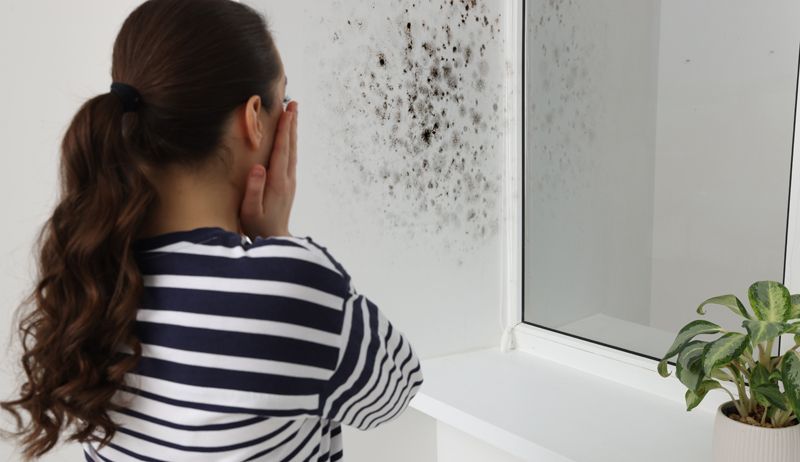
Black mold is commonly found inside the walls of homes rather than on their surfaces.
-Dr. John Salerno
Learn About the Dangers and Natural Remedies of Mold Toxicity
Recently, I wrote about parasite infections. This week, I want to talk about mold. Mold is not a parasite. Mold is a type of fungus, while parasites are organisms that live on or inside a host and depend on it for survival.
Mold toxicity is a hidden epidemic, silently affecting countless individuals who struggle with unexplained symptoms. Unlike seasonal allergies or temporary irritations, mold toxicity is a systemic illness that can negatively affect nearly every organ in the body.
Traditional medicine treats symptoms, often with medications that carry their own side effects. Mold poisoning is frequently misdiagnosed because the symptoms (like fatigue, brain fog, chronic pain, and respiratory issues) are seemingly unrelated. By focusing on the root cause of these symptoms, I can determine a patient's exposure to mold.
Mold toxicity is not simply about spores in the air; it is about mycotoxins—poisonous substances produced by mold that infiltrate the body and trigger widespread inflammation. It is not to be taken lightly.
Let's become aware of what mold toxicity is, how it infects the body, the types of mold involved, and the damage they can cause. Most importantly, I want you to know that effective treatments are available. With a comprehensive, integrative approach, we can detoxify the body, repair cellular damage, and restore vitality.
What Is Mold Toxicity?
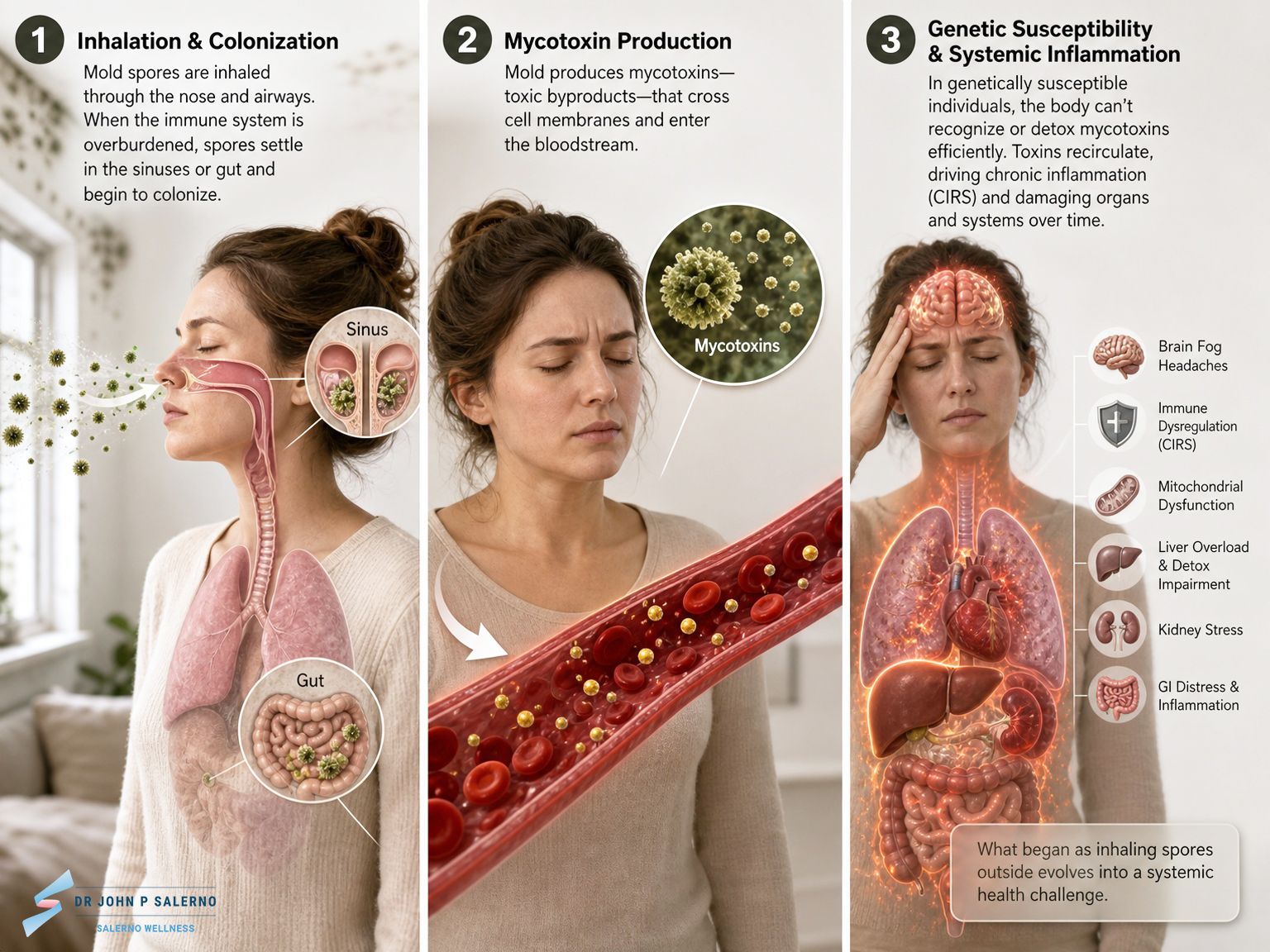
Mold toxicity, also known as Chronic Inflammatory Response Syndrome (CIRS), occurs when the body becomes overwhelmed by mycotoxins. These toxins are produced by molds that thrive in water-damaged buildings and damp environments. Unlike a mold allergy, which is an immediate immune response to spores, mold toxicity is a systemic poisoning. Mycotoxins enter the body through inhalation, ingestion, or skin absorption, and once inside, they trigger a cascade of inflammation that disrupts neurological, endocrine, and immune functions.
For many patients, particularly those with genetic predispositions, the body may be unable to recognize or eliminate these toxins properly. As a result, they accumulate, leading to chronic illness. This explains why mold toxicity is often misdiagnosed as fibromyalgia, chronic fatigue syndrome, or anxiety. The symptoms overlap with those of many other conditions, making it “the great imitator” in modern medicine.
The Difference Between Toxicity and Poisoning
Toxicity and poisoning are closely related, but not identical concepts.
- Toxicity refers to the degree to which a substance can harm living organisms. It’s a property of the substance itself. For example, mold produces mycotoxins, and their toxicity refers to the degree to which these toxins harm human cells, organs, or systems.
- Poisoning refers to the actual condition that occurs when someone is exposed to a toxic substance in harmful amounts. It’s the effect on the body. For instance, if someone inhales enough mycotoxins from mold, they may develop symptoms of poisoning—fatigue, neurological issues, or organ damage.
So mold toxicity describes the harmful potential of mold’s toxins, while mold poisoning is what happens when those toxins actually make someone sick.
How Mold Infects and Spreads
Mold requires moisture to grow, which means any building that has experienced leaks, flooding, or high humidity is at risk. Familiar sources include leaky roofs, faulty plumbing, condensation, and poor ventilation in basements or bathrooms. Once mold establishes itself, it releases spores and mycotoxins into the air. These toxins circulate through HVAC systems, infiltrating every corner of a building—even areas where mold is not visible.
Exposure is not limited to inhalation. Mold can contaminate food supplies, particularly grains, nuts, and coffee beans, introducing toxins directly into the digestive system. Continuous exposure in a home, workplace, or school allows these toxins to accumulate in the body, overwhelming natural detoxification pathways.
Certain mycotoxins are fat‑loving and can be stored in body fat, then recycled through the liver–gut loop (enterohepatic recirculation), prolonging symptoms long after leaving a moldy environment. This is why patients often experience worsening symptoms over time, even when they cannot detect mold in their environment.
Types of Mold and Their Dangers
Several mold species are hazardous. Stachybotrys chartarum, commonly known as black mold, produces trichothecenes—potent toxins that damage the immune and nervous systems. Aspergillus is another common mold, often found in damp buildings and in contaminated food, and it produces aflatoxins, among the most carcinogenic substances known. Penicillium and Cladosporium, while less toxic, can still trigger allergic reactions and respiratory problems.
Each type of mold carries unique risks, but the common thread is their ability to weaken the body’s defenses. Patients exposed to multiple species often experience compounded effects, making diagnosis and treatment more complex.
Damage Mold Causes in the Body
The effects of mold toxicity are systemic and often debilitating. Neurological symptoms are among the most troubling. Patients frequently report memory loss, difficulty concentrating, headaches, and mood disturbances such as anxiety or depression. These occur because mycotoxins can cross the blood-brain barrier, directly affecting brain function.
Respiratory problems are also common, including chronic sinus infections, asthma-like symptoms, and persistent coughing. In the digestive system, mycotoxins can damage the gut lining and disrupt the microbiome, leading to bloating, diarrhea, and nutrient malabsorption. The immune system, constantly battling toxins, becomes weakened, leaving patients vulnerable to infections and autoimmune conditions.
Perhaps most insidious is the profound fatigue mold toxicity causes. This exhaustion stems from mitochondrial dysfunction: toxins interfere with cellular energy production. Over time, untreated mold toxicity can lead to severe organ damage, cognitive decline, and even autoimmune disease.
How I Treat Mold Toxicity
My approach to mold toxicity is rooted in functional and integrative medicine. The first step is always identification to confirm the presence of mycotoxins in the body. Once exposure is established, eliminating the source is critical. Patients must be removed from contaminated environments, as no treatment can succeed if exposure continues.
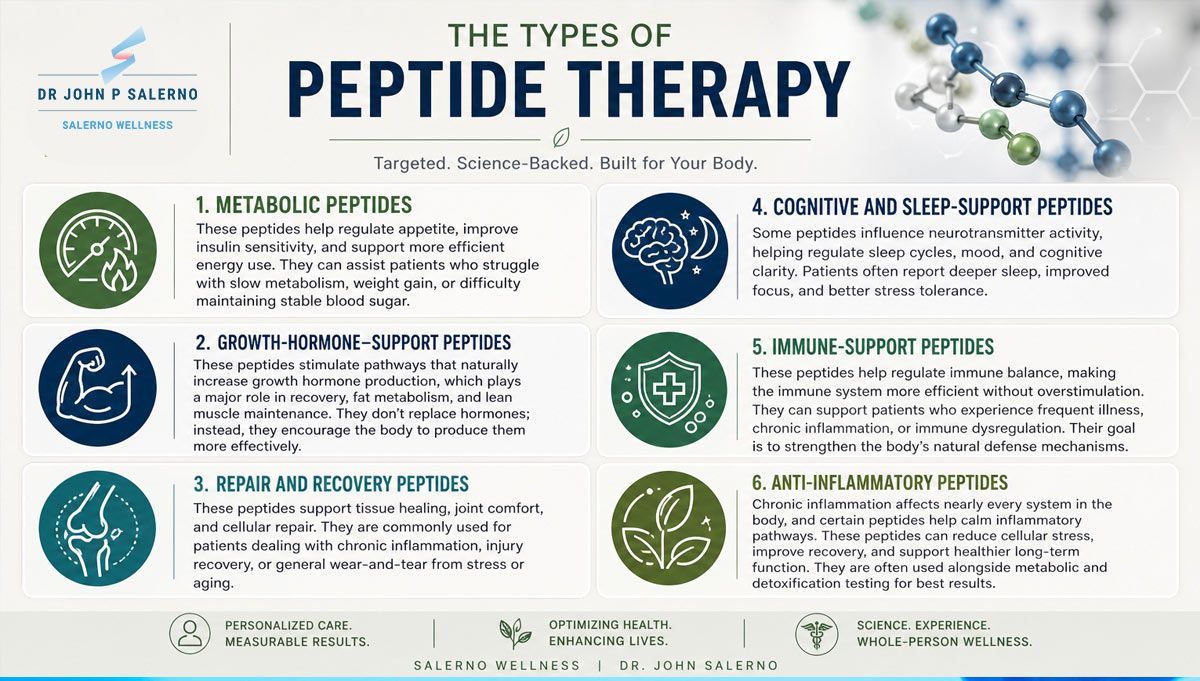
Detoxification is central to recovery. I may use targeted nutritional supplements and binders to trap toxins in the gastrointestinal tract. Intravenous therapies, including Phosphatidylcholine IV treatments, help repair cell membranes damaged by mycotoxins and facilitate toxin removal from deep within tissues. Supporting the liver, kidneys, and gut—the body’s natural detox organs—is essential.
Equally important is rebuilding resilience. I guide patients through dietary changes that reduce inflammation and strengthen the gut. Probiotics, omega-3 fatty acids, and clean, whole foods form the foundation of recovery. Lifestyle adjustments—adequate sleep, stress management, and regular exercise—enhance the body’s ability to heal.
Detoxification can sometimes trigger temporary side effects, known as Herxheimer reactions, as toxins are mobilized for elimination. Patients may experience increased fatigue, headaches, or brain fog during the initial phases of treatment. These reactions generally indicate that the protocol is working, and I closely monitor patients to adjust treatment as needed.
Summary
Mold toxicity is a hidden epidemic, silently affecting countless individuals who struggle with unexplained symptoms. By understanding what mold is, how it infects, and the damage it causes, patients can take proactive steps toward recovery. My mission is to provide not only treatment but also education, empowering patients to recognize the signs and pursue healing.
If you suspect mold exposure, do not ignore the symptoms. Mold may be a silent invader, but with awareness and action, it can be defeated. Together, we can restore balance, resilience, and vitality.