
How To Make Healthy Weight Loss A Smarter, Faster, and More Sustainable Path

76% of all New Year's Resolutions are health-related, including weight loss, and 92% of those resolutions will fall short of their goals. If you are one of the many who have been thinking about weight loss for 2026, please let me share some insights to consider.
-Dr. John Salerno
Personalized Medical Weight Loss Plans That Target The Causes of Weight Gain
Medical weight loss allows me to look beyond fad diets and uncover the real metabolic and hormonal issues that make it hard for my patients to lose weight.
By using advanced testing and personalized treatment plans, I can target the root causes of stubborn weight gain instead of just treating the symptoms. This proven approach delivers faster, safer, and more sustainable results than traditional dieting alone. My goal is always to help each person regain their energy, confidence, and long‑term health through a plan that truly works for their body.
Maintaining a healthy weight is one of the most impactful steps you can take to protect your long‑term health. Yet for many people, weight loss feels confusing and discouraging, especially when traditional diet advice fails to address the deeper metabolic and hormonal factors that influence how the body stores and burns fat.
At Salerno Wellness, I have spent decades helping patients achieve rapid, sustainable weight loss through a functional‑medicine approach that goes far beyond calorie counting. By identifying the root causes of weight gain and designing personalized strategies, I help patients restore metabolic balance, increase energy, and finally experience the results they've been striving for.
If you've struggled with weight loss despite your best efforts, this guide will help you understand why and how my comprehensive programs can help you succeed.
Understanding the Dangers of Obesity: What It Is and Why It Matters
Obesity is far more than a cosmetic concern—it is a complex, chronic medical condition that significantly increases the risk of serious health problems. Despite how common it has become, many people don't fully understand what qualifies as obesity or how profoundly it can impact long‑term health. By recognizing the dangers early and understanding the underlying causes, individuals can take meaningful steps toward prevention and treatment.
What Is Obesity?
Obesity is defined as an excessive accumulation of body fat that poses a health risk. Clinically, it is most often measured using Body Mass Index (BMI), a calculation based on height and weight. A BMI of 30 or higher is considered obese. While BMI is not a perfect measurement, it doesn't distinguish between fat and muscle; it remains a widely used screening tool because it correlates strongly with disease risk.
In practical terms, for many adults, obesity typically means being about 20–30 pounds overweight, depending on height and body composition. For shorter individuals, even 15–20 extra pounds may push BMI into the obese range, while taller individuals may need to gain more weight to reach the same classification.
The Serious Health Risks Associated With Being Overweight
Obesity affects nearly every system in the body, as excess visceral fat releases inflammatory chemicals and disrupts hormonal balance in ways that can shorten lifespan and reduce overall quality of life.
- Being overweight significantly increases the risk of cardiovascular disease by raising blood pressure, elevating cholesterol, and accelerating plaque buildup in the arteries.
- Excess body fat also interferes with insulin signaling, making obesity the leading driver of type 2 diabetes and its complications, including nerve damage, kidney disease, and vision loss.
- Chronic inflammation fueled by fat cells contributes to arthritis, immunodeficiency, persistent pain, and faster cellular aging.
- Hormonal imbalances become more pronounced with obesity, affecting metabolism, fertility, mood, and energy levels.
- Extra weight can obstruct airways during sleep, causing sleep apnea and increasing cardiovascular strain, while also placing heavy stress on the joints and spine, leading to osteoarthritis and reduced mobility.
- Being overweight is a significant cause of non‑alcoholic fatty liver disease and is linked to higher rates of several cancers due to inflammation and hormonal disruption.
Although obesity develops gradually, early intervention and personalized medical care can reverse metabolic dysfunction, reduce inflammation, and restore long‑term health.
Common and Often Overlooked Reasons for Weight Gain

Many people assume weight gain is simply the result of overeating or a lack of exercise. In reality, the body's weight‑regulation system is complex, and numerous hidden factors can make weight loss feel impossible. My functional medicine approach uncovers these deeper issues so patients can finally break through stubborn plateaus. Below are some of the most common and under‑recognized contributors to weight gain:
- Hormonal Imbalances - Hormones regulate metabolism, appetite, fat storage, and energy. Even slight imbalances can make weight loss extremely difficult. Low thyroid function slows metabolism, high cortisol from chronic stress promotes belly fat, estrogen dominance encourages fat storage, and low testosterone reduces muscle mass and metabolic rate.
- Chronic Inflammation - Inflammation disrupts insulin signaling, increases cravings, and encourages the body to store fat. Processed foods, environmental toxins, food sensitivities, and stress can trigger it.
- Nutrient Deficiencies - Deficiencies in nutrients such as magnesium, vitamin D, B vitamins, and omega‑3 fatty acids impair metabolism and energy production. Even with a healthy diet, poor absorption or digestive issues can lead to deficiencies.
- Gut Imbalances (Dysbiosis) - The gut microbiome influences cravings, metabolism, inflammation, and hormone balance. An imbalance of gut bacteria can slow weight loss and increase fat storage.
- Environmental Toxins - Toxins from plastics, pesticides, and heavy metals act as "obesogens," chemicals that disrupt metabolism and encourage fat accumulation. Detoxification is often essential for long‑term weight control.
- Food Sensitivities - Undiagnosed sensitivities to foods like gluten, dairy, or soy can trigger inflammation, bloating, and weight gain. Identifying and removing trigger foods often leads to rapid improvements.
- Poor Sleep and High Stress - Lack of sleep increases hunger hormones and reduces impulse control. Chronic stress elevates cortisol, which drives abdominal fat storage.
- Aging and Metabolic Slowdown - As we age, muscle mass declines, hormones shift, and metabolism slows. A personalized plan can counteract these changes and restore metabolic efficiency.
How I Help Patients Lose Weight Quickly and Safely
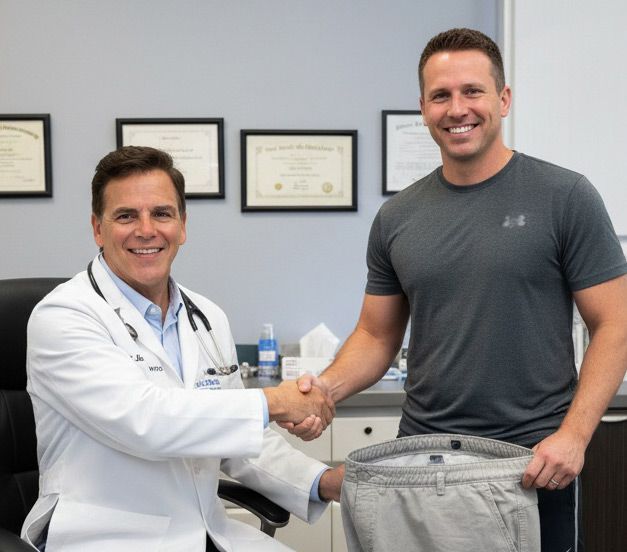
My weight‑loss programs are designed to deliver fast, effective, and lasting results by addressing the root causes of weight gain. His integrative approach combines advanced diagnostics, targeted therapies, and personalized nutrition to help patients achieve optimal health.
I begin with advanced diagnostic testing to uncover the underlying causes of weight gain. This may include hormone testing, thyroid panels, food sensitivity testing, gut microbiome analysis, nutrient deficiency testing, inflammation markers, and toxin screening.
These insights allow me to design a highly personalized treatment plan tailored to each patient's unique biology. Your unique weight loss plan can include any of these proven medical treatments.
- Personalized Nutrition Plans - My signature low‑carbohydrate, anti‑inflammatory diet helps patients burn fat rapidly while stabilizing blood sugar and reducing inflammation. Nutrition plans are customized to each patient's metabolic needs, preferences, and long‑term goals, ensuring both effectiveness and sustainability.
- Medical Weight‑Loss Programs - For patients who need additional support, I offer medically supervised weight loss programs. These may include prescription‑based weight‑loss support when appropriate, peptide therapy, GPL-1 treatments, metabolic‑boosting supplements, and appetite‑regulating protocols. Every treatment is monitored for safety and effectiveness.
- TRH Stimulation Testing (Thyrotropin-Releasing Hormone) Salerno Wellness is one of a few centers in the world that does the TRH testing for thyroid function, which is essentially a performance test for
Hypothyroidism.
- IV Therapy - Customized IV infusions deliver nutrients directly into the bloodstream to improve metabolism, increase energy, enhance detoxification, and reduce inflammation. This is especially beneficial for patients with absorption issues or chronic fatigue.
- Bioidentical Hormone Replacement Therapy (BHRT) - For patients with hormonal imbalances, BHRT can restore optimal levels of thyroid hormones, estrogen, progesterone, testosterone, and DHEA. Balanced hormones dramatically improve metabolism, energy, and fat‑burning capacity.
- Detoxification Programs - Dr. Salerno offers targeted detox protocols to remove heavy metals, environmental toxins, and metabolic waste that interfere with weight loss. Detoxification often accelerates fat loss and improves overall well‑being.
- Gut‑Healing Protocols - Customized gut‑healing plans may include probiotics, digestive enzymes, anti‑inflammatory nutrition, and targeted supplements to restore gut balance and improve metabolic function.
- Personalized Supplement Plans - Dr. Salerno formulates pharmaceutical‑grade supplements designed to support fat metabolism, blood sugar control, hormone balance, detoxification, and energy production. These supplements complement the broader treatment plan and enhance results.
- Ongoing Coaching and Support - Long‑term success requires guidance and accountability. Patients receive ongoing support that includes lifestyle coaching, stress‑management strategies, sleep optimization, and regular check‑ins to ensure progress and maintain momentum.
A Proven Path to Smarter Weight Loss Starts Here
If you've struggled with weight loss despite your best efforts, you're not alone—and you're not to blame. The body's weight‑regulation system is complex, and true success requires a personalized, medically guided approach.
My team and I at Salerno Wellness are dedicated to helping you uncover the root causes of weight gain and achieve rapid, sustainable results. With advanced testing, targeted therapies, and a holistic approach to wellness, you can finally experience the energy, confidence, and health you deserve.